
Categories
5. 🔥 How to Clean Your Oven
SKU BLOG-HK-APPL-005
AU$0.00
Have questions?
In stock
1
Save this product for later
5. 🔥 How to Clean Your Oven
Product Details
```html
✨ A cleaner oven means less baked-on grease, fewer smoky smells and a fresher cooking space.
Your oven works hard preparing family meals, roasting vegetables and baking favourite treats. Over time, however, grease splashes, food spills and baked-on residue can accumulate inside the oven, around the door and on the racks.
A dirty oven can develop unpleasant smells, produce smoke when heated and make it harder to see your food through the glass door. The good news? Regular, careful cleaning can make a big difference without turning the job into an exhausting chore.
In this guide, we'll look at how to clean a conventional oven, freshen up oven racks and door glass, understand self-cleaning functions and avoid common cleaning mistakes that could damage your appliance.
🔍 Before You Start: Identify Your Oven Type
Not every oven should be cleaned in the same way. Before applying a cleaning product or trying a home remedy, check your oven's user manual and identify its interior surfaces and cleaning system.
- Conventional or fan-forced oven: Usually has smooth enamel surfaces that may be suitable for manual cleaning using approved products.
- Pyrolytic self-cleaning oven: Uses extremely high temperatures to turn food residue into ash, which can be wiped away once the oven has cooled.
- Catalytic oven: Has specially designed rough or porous liners that absorb grease splashes and help break them down during cooking.
- Steam-cleaning or hydro-clean oven: Uses moisture or steam to soften light food residue, making it easier to wipe away.
Some ovens combine different cleaning features or have surfaces that require different care. Never assume that a cleaning method suitable for a conventional enamel oven is also safe for catalytic liners, pyrolytic interiors or coated glass.
🧤 What You'll Need
For a basic manual clean, gather the following items, provided they are suitable for your oven's care instructions:
- Soft microfibre or cleaning cloths
- Non-scratch sponge
- Warm water
- Mild dishwashing liquid
- Soft cleaning brush or old toothbrush
- Rubber cleaning gloves
- Plastic scraper or spatula, if suitable for the surface
- Approved oven-cleaning product, if required and permitted by the manufacturer
- A bowl or container for soaking removable racks
For a final wipe and polish, a clean microfibre cloth can help remove remaining moisture and fingerprints from suitable exterior surfaces.
✨ Helpful tip: Prepare a few clean cloths so you can use separate ones for loosening grease, wiping away cleaning residue and drying the surfaces.
⚠️ Safety First: Prepare Your Oven Properly
Before manual cleaning, take a few important precautions:
- Switch off the oven and allow it to cool completely.
- Isolate the power supply before cleaning or carrying out maintenance where the manufacturer's instructions require it.
- Remove oven racks, trays and other removable accessories, unless your cleaning programme specifically allows them to remain inside.
- Open a window or provide good ventilation, particularly if using a commercial cleaning product.
- Wear gloves and follow the instructions on any cleaning product.
- Keep children and pets away from cleaning products and the work area.
- Protect the floor from drips and loosened grease.
Important: Avoid getting water or cleaning products into heating elements, fans, electrical openings, vents or other restricted areas. Take care around the oven door seal and do not pull, scrub or remove it unless the manual specifically instructs you to do so.
🧽 Step-by-Step: How to Clean a Conventional Oven
1. Remove Loose Food and Debris
Once the oven is completely cool, remove the racks and trays. Pick up loose crumbs and food pieces from the oven floor and corners.
A soft brush or vacuum cleaner with a suitable attachment can help collect dry debris. Avoid knocking or scraping delicate surfaces.
2. Clean the Oven Interior
For an oven with a compatible smooth enamel interior, start with warm water and a little mild dishwashing liquid. Use a soft cloth or non-scratch sponge to loosen everyday grease and food residue.
For more stubborn marks, use only a cleaning method approved for your particular oven surface. Some manufacturers permit a bicarbonate soda and water paste on specific enamel surfaces, while others prohibit certain household cleaners or abrasive substances.
If your manual permits a bicarbonate soda paste:
- Mix bicarbonate soda with a little water to form a spreadable paste.
- Apply it only to approved interior surfaces, avoiding heating elements, fans, seals and restricted areas.
- Allow it to sit for the period recommended by the cleaning instructions.
- Wipe away the loosened residue with a damp, soft cloth.
- Rinse the cloth frequently and continue wiping until no cleaning residue remains.
Do not use this method on catalytic liners, special coatings or other surfaces unless the manufacturer confirms it is suitable.
3. Remove Stubborn Grease Carefully
Grease and burnt-on food can be difficult to remove, particularly around the oven floor and corners.
Start by softening the residue with an approved cleaner or the manufacturer's recommended cleaning method. Allow the product to work for the stated time rather than immediately scrubbing harder.
Use a soft sponge or suitable plastic scraper if permitted. Work gently and avoid scratching the enamel or damaging protective coatings.
For particularly stubborn deposits, several gentle cleaning sessions may be safer than one aggressive attempt.
4. Clean Around the Heating Elements and Fan
Food particles and grease may collect near the heating elements or fan cover. These areas need special care.
Do not spray cleaning products directly onto heating elements, fan motors or electrical components. Avoid bending, moving or removing components to reach hidden areas unless the user manual provides specific instructions.
Use only the cleaning method recommended for these areas. If residue has entered an inaccessible part of the appliance, arrange professional assistance rather than dismantling it yourself.
5. Wipe Away All Cleaning Residue
Once the dirt has loosened, wipe the oven interior with a clean damp cloth. Rinse the cloth regularly so you are not spreading grease or cleaning product around the oven.
Repeat with fresh water as necessary, then dry the accessible surfaces with a clean cloth.
Before using the oven again, make sure all cleaning product residue and moisture have been removed in accordance with the manufacturer's instructions.
🧺 How to Clean Oven Racks and Trays
Oven racks collect grease, crumbs and burnt-on food, especially after roasting and grilling.
- Remove the racks and check whether they have any special coating or cleaning restrictions.
- Place suitable removable racks in a large sink or container.
- Soak them in warm water with mild dishwashing liquid, if permitted.
- Use a soft brush or non-scratch sponge to loosen grease and residue.
- Rinse thoroughly and dry completely before returning them to the oven.
For stubborn deposits, use an approved rack-cleaning product according to its instructions.
Take care: Some racks, telescopic runners and side supports must be removed before a pyrolytic cleaning cycle. Others may have special cleaning requirements. Do not assume that all oven accessories are suitable for soaking, dishwasher cleaning or high-temperature self-cleaning.
🪟 How to Clean Oven Door Glass
The oven door glass can become cloudy from grease splashes, fingerprints and baked-on food. Keeping it clean makes it easier to check on your cooking without opening the door.
For ordinary marks:
- Allow the glass to cool completely.
- Use warm water and a small amount of mild dishwashing liquid, if approved.
- Wipe gently with a soft microfibre cloth.
- Remove remaining detergent with a clean damp cloth.
- Dry with a fresh, lint-free cloth.
For stubborn baked-on marks, check the manual before using a scraper or specialist glass-cleaning product. Some oven door glass has coatings that can be scratched by abrasive powders, scourers or metal blades.
Never force the glass apart or dismantle the oven door just to clean between the panes. Some doors have specific removal procedures, and incorrect handling can cause damage or create a safety risk. Follow the manufacturer's instructions or seek professional help.
✨ Cleaning the Oven Exterior and Control Panel
The exterior of your oven also collects fingerprints, grease and cooking splashes.
- Stainless steel: Use a suitable cleaner or a damp microfibre cloth, following the direction of the finish where applicable.
- Glass panels: Use a soft cloth and a cleaner approved for
Research references
The article's safety guidance and cleaning distinctions are based on these sources:
- CHOICE Australia — How to clean an oven: manual cleaning, door glass, racks, commercial oven-cleaner precautions and self-cleaning ovens.
- CHOICE Australia — What is a pyrolytic oven and is it worth the price?: pyrolytic cleaning preparation, ash removal and ventilation.
- Electrolux Australia — How to use Pyrolytic Cleaning: model-specific preparation, accessories, ventilation and keeping pets away.
- Fisher & Paykel — Oven user guide: cleaning restrictions for glass, seals, racks and oven surfaces.
- Whirlpool Australia — Frequently Asked Questions: differences between pyrolytic and hydro/steam cleaning.
Editorial note: This draft deliberately avoids presenting bicarbonate soda, vinegar or commercial oven cleaner as universally safe. The oven's own manual must take priority, particularly for catalytic liners, coated glass, seals and self-cleaning models.
You May Also Like
On Sale
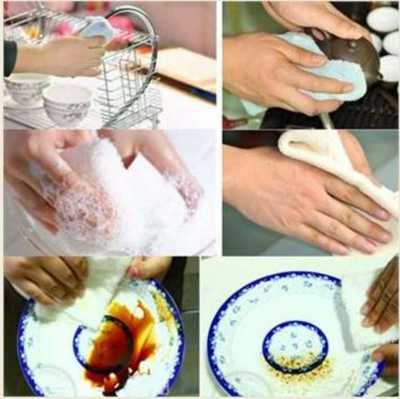
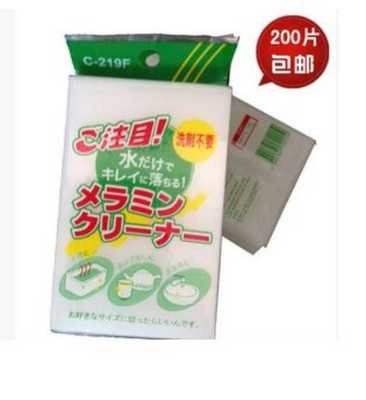
4 x Multi-Purpose Anti-Bacterial Grease Resistant Cleaning Cloth
4 x Multi-Purpose Anti-Bacterial Grease Resistant Cleaning Cloth
SKU HCA232AGC
was AU$24.00
Save 17%
AU$20.00
On Sale
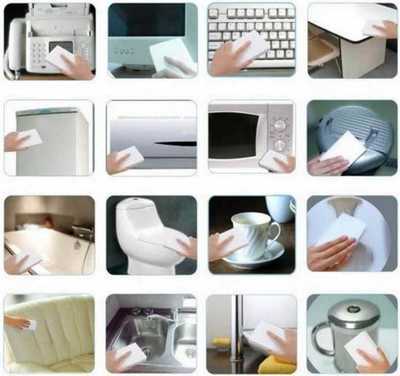
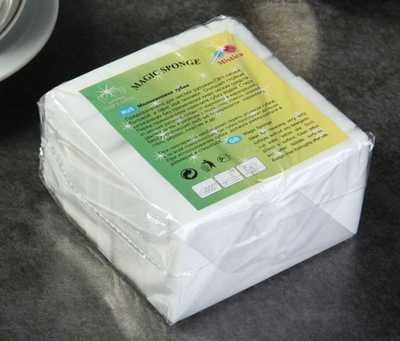
Multi-Purpose Stain Removing Cleaning Sponges for Leatherworks
Multi-Purpose Stain Removing Cleaning Sponges for Leatherworks
SKU HCA230M
was AU$24.00
Save 17%
AU$20.00
On Sale
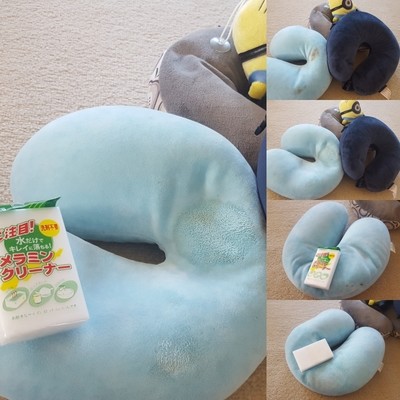
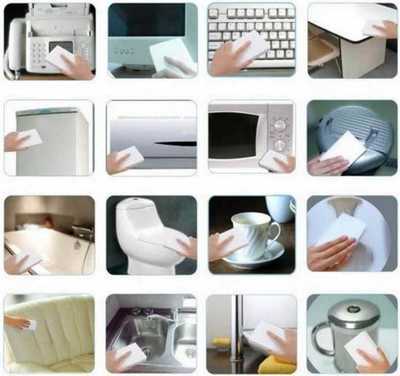
4 x Multi-Purpose Stain Removing Cleaning Sponge for Leatherworks
4 x Multi-Purpose Stain Removing Cleaning Sponge for Leatherworks
SKU HCA230J
was AU$24.00
Save 17%
AU$20.00
NEW


Size 8 (M) Deep Raspberry Mesh Lace Boyshorts
Size 8 (M) Deep Raspberry Mesh Lace Boyshorts
SKU LUW123BS-GL-FL-S8
was AU$22.00
Save 18%
AU$18.00


On Sale


12mm 2-Holes 100 Sew-On Round Flatback Facet Crystal AB Rhinestones
12mm 2-Holes 100 Sew-On Round Flatback Facet Crystal AB Rhinestones
SKU DIYRE134C-SO-R12
was AU$24.00
Save 17%
AU$20.00
NEW


24 Pcs Herbal Natural Ingredient Knee Pain Relief Patch
24 Pcs Herbal Natural Ingredient Knee Pain Relief Patch
SKU HFW502SF-KNEE-2X12
was AU$26.00
Save 15%
AU$22.00
NEW


Rare Air-Purifying Chlorophytum Comosum Lemon ‘Spider Plants’
Rare Air-Purifying Chlorophytum Comosum Lemon ‘Spider Plants’
SKU PL-COMO-LEMON
was AU$20.00
Save 20%
AU$16.00
Display prices in:AUD
Very impressed with service and quality. Very professional. Thank you
Shane S.
Cuckatoo VIC 3781
1.Couldn't ask for more ... free delivery! What a great seller :) 2. So fast ... free delivery! Fantastic!! Thanks :) 3. Super quick delivery! Perfect seller :)
Lucille W.
St. Peters NSW 2044
It's great, put it on and straight away the pain in my feet went right down
Tiffany G
Toormina NSW 2452
Very fast delivery, product is awesome the self heating actually works !!
Mona B.
Granville NSW 2142
