
Categories
4. 🧼 Bathroom Grout Cleaning
SKU BLOG-HK-CLEAN-004
AU$0.00
Have questions?
In stock
1
Save this product for later
4. 🧼 Bathroom Grout Cleaning
Product Details
🧼 Bathroom Grout Cleaning: Bring Tired Grout Back to Life
✨ What works on a smooth surface isn't always right for porous grout.
In our ✨ Kitchen Sink Cleaning guide, we looked at how bicarbonate soda, vinegar, gentle scrubbing and microfiber cloths can help bring a stainless-steel sink back to life.
But here's an important cleaning lesson:
🧽 A recipe that works beautifully on one surface shouldn't automatically be transferred to another.
Stainless steel is a smooth surface. Grout is different. Depending on the type of grout and whether it has been sealed, it can be textured and porous, allowing moisture, dirt and stains to penetrate more deeply.
That means bathroom grout needs a slightly different approach.
Let's look at what works, what to be careful with, and when stubborn grout may need more than another round of scrubbing.
🔍 Why Does Bathroom Grout Get Dirty?
Grout has a difficult job. It sits between tiles, gets splashed with water, exposed to soap and body products, and can gradually collect dirt and moisture.
It can become discoloured for several different reasons:
- 🚿 Soap and body-product residue
- 💧 Water and mineral deposits
- 🧽 Everyday dirt and grime
- 🦠 Surface mould and mildew
- 💦 Persistent moisture caused by poor ventilation
- 🕳️ Dirt becoming trapped in textured or porous grout
And sometimes what looks like dirt isn't really dirt at all. Older grout may have become permanently stained, worn or discoloured.
🧱 Smooth Surface vs Porous Surface
| Surface | What matters | Cleaning approach |
|---|---|---|
| ✨ Smooth stainless steel | Surface is relatively smooth and easy to wipe | Gentle cleaner + soft cloth + final buff |
| 🧱 Grout | Can be textured and porous | Gentle targeted cleaning + thorough rinsing |
| 🪨 Natural stone | Some types are porous and sensitive to acids | Use a product specifically suitable for the stone |
| 🚿 Glazed tile | Usually smoother and less absorbent than grout | Use a cleaner suitable for the tile finish |
The same cleaning ingredient can behave very differently depending on the surface.
That is why checking the manufacturer's care instructions is always a good starting point, especially for porous, unsealed, natural-stone or specially finished surfaces.
🔍 First: Work Out What You're Cleaning
| What you see | Possible cause | What to try |
|---|---|---|
| Grey or brown grout | Everyday dirt and soap residue | Warm water + mild cleaner + gentle scrubbing |
| Yellowish or greasy film | Soap and body-product residue | Suitable bathroom cleaner |
| White crusty marks | Mineral or hard-water deposits | Suitable descaling method after checking surface compatibility |
| Small black spots | Surface mould | Appropriate mould treatment + improved ventilation |
| Black marks that keep returning | Mould may have penetrated porous grout | Cleaning may not completely remove it; regrouting may eventually be necessary |
| Grout that remains dark or stained | Permanent staining, wear or discolouration | Consider grout restoration or replacement rather than aggressive scrubbing |
🧽 Start With the Gentlest Method
Before reaching for a strong cleaner, try the simplest approach first.
What you'll need:
- 💧 Warm water
- 🧼 A small amount of mild detergent or suitable bathroom cleaner
- 🧽 A soft cleaning cloth or non-scratch sponge
- 🪥 A soft grout or detail brush if necessary
- ✨ A clean microfiber cloth for the final wipe
Apply your cleaning solution to a small section, allow it to work according to the product instructions, then gently agitate the grout.
There's no prize for scrubbing the hardest.
Let the cleaner do some of the work.
After cleaning, rinse away residue and dry the area thoroughly.
🧪 What About Bicarbonate Soda?
Bicarbonate soda can be useful when you want a mild abrasive paste for suitable surfaces.
For grout that simply needs a little extra help:
- 💧 Dampen the area.
- 🧪 Mix bicarbonate soda with a small amount of water to make a paste.
- 🧽 Apply a small amount to the grout.
- 🪥 Gently work it with a soft brush or non-scratch sponge.
- 💧 Rinse thoroughly.
- ✨ Dry with a clean microfiber cloth.
Keep the pressure gentle. More scrubbing does not necessarily mean better cleaning, and aggressive abrasion can damage surrounding surfaces or gradually wear grout.
And remember our earlier cleaning lesson: you don't need to add vinegar just because you've used bicarbonate soda. The fizz looks impressive, but it doesn't automatically make the cleaning more effective.
⚠️ Why Vinegar Needs More Caution Here
This is where the difference between a stainless-steel sink and bathroom grout becomes particularly important.
Vinegar is acidic. It can be useful for some mineral deposits and other cleaning jobs, but that doesn't mean it is suitable for every grout, tile or bathroom surface.
Acidic cleaners can affect acid-sensitive materials, and some cleaning products specifically warn against use on porous, unsealed or natural-stone surfaces.
Take particular care with:
- 🧱 Cement-based grout
- 🪨 Natural stone such as marble, limestone or travertine
- ✨ Special finishes or sealers
- 🏡 Older or already-damaged grout
- 💧 Porous or unsealed surfaces
Always check the manufacturer's care instructions before using an acidic cleaner.
This is the key lesson from our kitchen-sink article:
🧽 Match the cleaning method to the surface — don't simply copy a recipe from one job to another.
🦠 When Grout Has Mould
Mould is different from ordinary bathroom grime.
If you have a small amount of surface mould, cleaning the affected area and improving bathroom ventilation may help prevent it from returning.
But grout can be porous, and mould can grow into grout and silicone. Once it has penetrated deeply, cleaning the visible surface may not completely remove the problem. CHOICE notes that affected grout or silicone may eventually need to be replaced.
Don't simply keep applying stronger and stronger chemicals to the same area.
Look at the moisture problem as well:
- 💨 Improve bathroom ventilation.
- 🚿 Remove excess water after showering.
- 🪟 Use an exhaust fan or open a window where appropriate.
- 💧 Check whether water is repeatedly collecting in corners.
- 🔧 Investigate leaks or damaged seals.
🧽 Choosing the Right Cleaning Tool
The cleaning tool can make a surprising difference.
| Tool | Useful for |
|---|---|
| 🧽 Soft sponge | General bathroom grime and larger surfaces |
| 🪥 Soft detail brush | Working along grout lines and corners |
| 🧴 Cleaning cloth | Wiping tiles, vanity areas and surrounding surfaces |
| ✨ Microfiber cloth | Final drying and removing remaining streaks or residue |
for suitable stubborn marks and hard surfaces, our 🧽 Multi-Purpose Stain Removing Cleaning Sponge — Always follow the product directions and test first where appropriate.
You May Also Like
On Sale
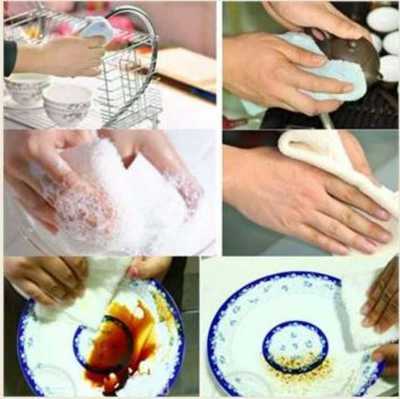
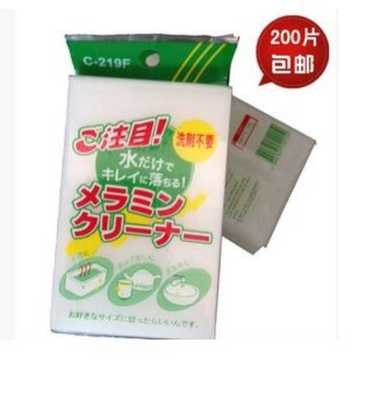
4 x Multi-Purpose Anti-Bacterial Grease Resistant Cleaning Cloth
4 x Multi-Purpose Anti-Bacterial Grease Resistant Cleaning Cloth
SKU HCA232AGC
was AU$24.00
Save 17%
AU$20.00
On Sale
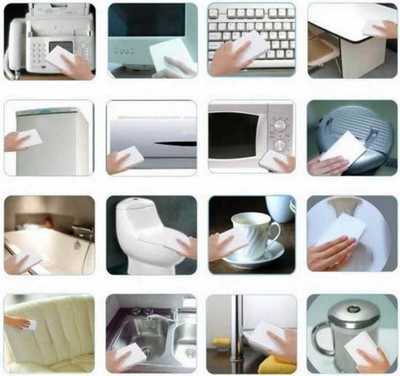
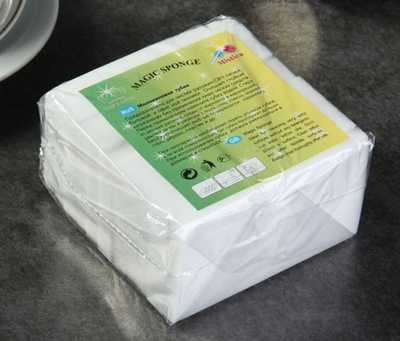
Multi-Purpose Stain Removing Cleaning Sponges for Leatherworks
Multi-Purpose Stain Removing Cleaning Sponges for Leatherworks
SKU HCA230M
was AU$24.00
Save 17%
AU$20.00
On Sale
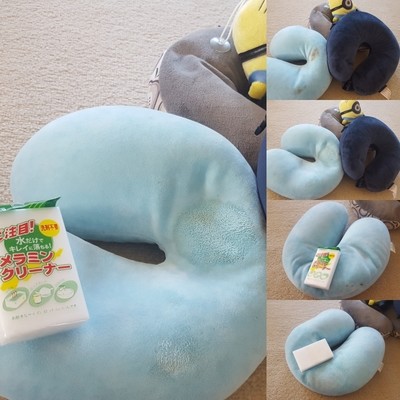
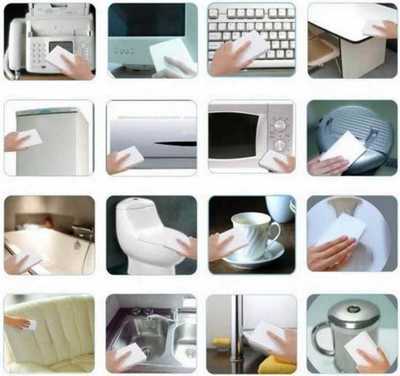
4 x Multi-Purpose Stain Removing Cleaning Sponge for Leatherworks
4 x Multi-Purpose Stain Removing Cleaning Sponge for Leatherworks
SKU HCA230J
was AU$24.00
Save 17%
AU$20.00
On Sale
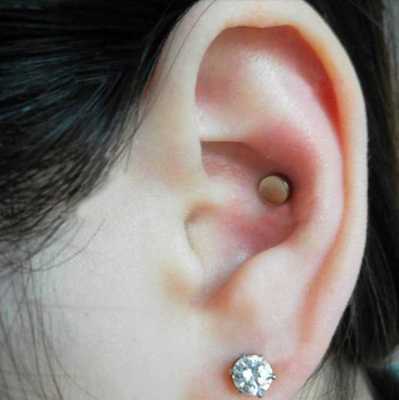
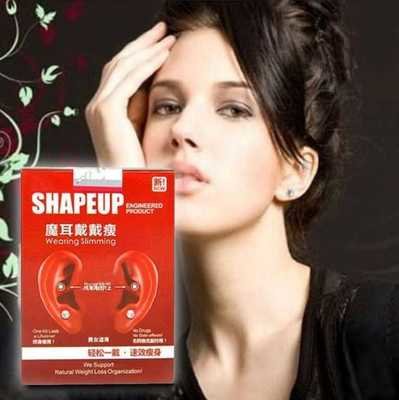
Auricular Magnetic Therapy Crystal Rhinestone Earrings for Slimming
Auricular Magnetic Therapy Crystal Rhinestone Earrings for Slimming
SKU HFW510SU
was AU$36.00
Save 17%
AU$30.00
On Sale
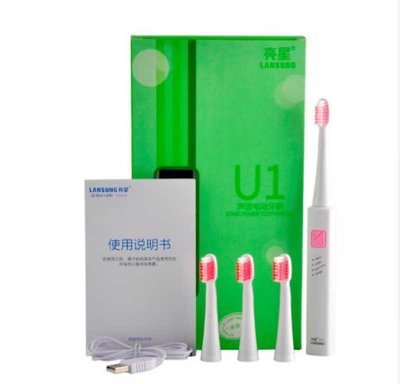
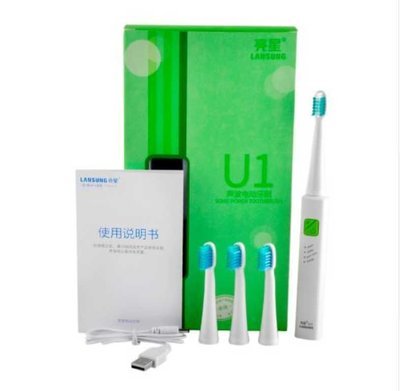
LANSUNG-U1 Sonic Rechargeable Waterproof Toothbrush with 3 brushing modes
LANSUNG-U1 Sonic Rechargeable Waterproof Toothbrush with 3 brushing modes
SKU DCA931U1TB
was AU$85.00
Save 18%
AU$70.00
On Sale
Thick Super Soft Orthotic Arch Support Gel Pad in Adult / Kid Size
Thick Super Soft Orthotic Arch Support Gel Pad in Adult / Kid Size
SKU FCOA46
was AU$22.00
Save 18%
AU$18.00
Display prices in:AUD
Very impressed with service and quality. Very professional. Thank you
Shane S.
Cuckatoo VIC 3781
1.Couldn't ask for more ... free delivery! What a great seller :) 2. So fast ... free delivery! Fantastic!! Thanks :) 3. Super quick delivery! Perfect seller :)
Lucille W.
St. Peters NSW 2044
It's great, put it on and straight away the pain in my feet went right down
Tiffany G
Toormina NSW 2452
Very fast delivery, product is awesome the self heating actually works !!
Mona B.
Granville NSW 2142
