
Categories
1. 🧊 How to Clean Your Fridge & Freezer
SKU BLOG-HK-APPL-001
AU$0.00
Have questions?
In stock
1
Save this product for later
1. 🧊 How to Clean Your Fridge & Freezer
Product Details
✨ A fresher fridge starts with more than wiping the shelves — give the seals, drawers and freezer some attention too.
Your fridge and freezer work around the clock, keeping food chilled, frozen and ready for everyday meals. But between grocery shopping, leftovers, spills and forgotten containers, they can gradually collect sticky residue, crumbs, food stains and unpleasant odours.
A regular clean helps keep these spaces fresh, makes it easier to spot food that needs using and gives you an opportunity to check door seals, drawers and storage areas.
The good news? You don't need a cupboard full of specialised products. A little preparation, warm water, mild dishwashing liquid and a few soft cleaning cloths can take care of most routine cleaning jobs.
Let's work through the fridge and freezer step by step — without damaging shelves, seals or appliance surfaces.
🧊 Why Should You Clean Your Fridge & Freezer?
Even when food is stored in containers, small spills and crumbs can find their way onto shelves, into drawers and around door seals.
Over time, neglected areas may contribute to:
- Sticky shelves and drawers from food spills and drink residue.
- Unpleasant smells from forgotten or spoiled food.
- Crumbs and food particles trapped in corners and door compartments.
- Residue and moisture around rubber door seals.
- Ice build-up or frost that may need attention, depending on the freezer design.
- Hard-to-find food and unnecessary food waste.
A clean appliance is also easier to inspect. You can check whether doors close properly, seals are in good condition and food is being stored at a suitable temperature.
🌡️ First, Check Your Fridge & Freezer Temperatures
Cleaning is only one part of good food storage. Your appliances also need to maintain suitable temperatures.
- Refrigerator: Keep it at 5°C or colder.
- Freezer: Aim for -18°C or colder.
A separate appliance thermometer can help you check the actual temperature rather than relying only on the temperature setting or display.
After cleaning, give the appliance time to return to its operating temperature before assuming it is ready for normal use. Keep the doors closed as much as possible while it cools.
💡 Handy tip: Avoid overfilling the fridge. Allowing cool air to circulate helps the appliance maintain a more even temperature.
🧺 What You'll Need Before You Start
Gather your cleaning supplies before removing food or opening the appliance for an extended period.
- 🧽 Warm water and mild dishwashing liquid.
- ✨ A clean, soft microfibre or multi-purpose cleaning cloth.
- 🪥 A small, soft brush for corners and accessible seal folds.
- 🧻 A clean, dry cloth for final drying.
- 🪣 A washing-up bowl or bucket.
- 🧊 An insulated cooler and ice packs for perishable food.
- 🗑️ A rubbish bag for spoiled or unwanted food.
For routine cleaning, mild soapy water is generally a sensible starting point. Always check your appliance manual before using vinegar, bicarbonate soda, disinfectants or other cleaning products on interior surfaces, seals and plastic components.
🧊 Step 1: Remove Food & Keep It Cold
Before cleaning, plan where the food will go. Perishable items such as meat, seafood, dairy products and leftovers should not be left sitting on the kitchen bench while you work.
- Prepare an insulated cooler with ice packs, or use another suitable refrigerator or freezer.
- Remove food in manageable batches and keep chilled and frozen items cold.
- Check use-by dates and discard spoiled or questionable food.
- Keep raw meat, seafood and their juices separate from cooked and ready-to-eat food.
- Wipe sticky containers before returning them to the appliance.
Try not to leave the fridge or freezer doors open longer than necessary.
⚠️ Food safety reminder: If food has been left out of refrigeration, follow the Australian 2-hour/4-hour food safety rule. Food that has been between 5°C and 60°C for less than 2 hours can generally be refrigerated again; between 2 and 4 hours it should be used immediately; after 4 hours it should be discarded. When in doubt, don't risk it.
🧺 Step 2: Remove & Clean Shelves, Drawers and Compartments
Removable shelves, crisper drawers and door bins often collect the most visible spills and residue.
- Check your manual for the correct way to remove shelves and drawers. Some parts have clips, tracks or lifting points.
- Allow cold glass shelves to come closer to room temperature before washing.
- Wash removable parts with warm water and a little mild dishwashing liquid.
- Use a soft cloth or non-abrasive sponge to loosen residue.
- Rinse away detergent thoroughly.
- Dry completely with a clean cloth before putting the parts back.
⚠️ Important: Never pour warm or hot water over a very cold glass shelf. A sudden temperature change can cause glass to crack or break. Also check whether your appliance parts are dishwasher-safe before putting them in a dishwasher.
💡 Handy tip: For sticky spills, let warm soapy water soften the residue first. Gentle soaking is usually better than vigorous scrubbing.
🥬 Step 3: Clean the Inside Walls, Ceiling & Door Compartments
Once the removable parts are out, it is much easier to reach the interior surfaces.
- Dampen a soft cloth with warm water and a little mild dishwashing liquid.
- Wipe the inside walls, ceiling, floor and door liners.
- Pay attention to corners, shelf supports and areas where food residue collects.
- Use a clean damp cloth to remove detergent residue.
- Dry the surfaces with a separate clean cloth.
Work from the top down so crumbs and drips fall onto areas you have not yet cleaned.
Avoid soaking seams, vents, electrical controls, lights or openings. Do not spray cleaning solution directly into the appliance. Apply it to the cloth instead.
✨ For stubborn food residue: Allow a damp, soapy cloth to rest against the mark briefly before wiping again. Avoid sharp tools and abrasive scrubbing pads that can scratch plastic liners.
🚪 Step 4: Clean the Rubber Door Seals
The rubber seals, also called door gaskets, help keep cold air inside the appliance. Crumbs, sticky residue and grime can collect in their folds and grooves.
- Wipe the seal gently with a soft cloth dampened with mild soapy water.
- Carefully open accessible folds to remove trapped crumbs and residue.
- Use a small, soft brush for difficult corners if needed.
- Wipe away any remaining soap with a clean damp cloth.
- Dry the seal thoroughly with a soft cloth.
Avoid pulling, stretching or scrubbing the rubber aggressively. Do not use sharp objects to dig into the grooves.
🔍 Check the seal: Look for tears, cracks, hardened sections or areas that no longer sit flat against the appliance. If the seal is damaged or the door does not close properly, cleaning alone may not solve the problem.
💡 Why this matters: A dirty or damaged seal can prevent the door from closing effectively, allowing cold air to escape and potentially contributing to frost build-up.
❄️ Step 5: Clean the Freezer & Deal With Ice Build-Up Carefully
Freezers need attention too, especially when food crumbs, spills or frost accumulate around storage compartments.
For routine freezer cleaning:
- Keep frozen food in an insulated cooler or another suitable freezer while you work.
- Remove accessible baskets and drawers according to the appliance instructions.
- Clean removable parts with a method approved by the manufacturer.
- Wipe accessible interior surfaces with a suitable soft cloth and mild cleaning solution.
- Remove moisture and dry all parts thoroughly before reassembling.
What about built-up ice?
First, check whether your freezer is frost-free or requires manual defrosting. Many modern appliances defrost automatically, so manual defrosting may not be necessary.
If your model requires manual defrosting, follow the manufacturer's instructions. You may need to switch off or unplug the appliance, protect the floor from meltwater and allow the ice to soften naturally.
⚠️ Never use knives, screwdrivers or other sharp tools to chip away ice. You could damage the freezer lining or refrigerant components. Avoid boiling water, heat guns or hairdryers unless the manufacturer specifically provides an approved procedure.
If frost returns quickly or becomes unusually heavy, check the door seal and closing alignment. Persistent ice build-up may indicate an airflow, drainage or appliance fault that needs further attention.
🧼 Step 6: Clean the Exterior, Handles & Accessible Areas
The outside of your fridge and freezer deserves attention too. Handles, door edges and control areas are touched frequently and can collect fingerprints, dust and sticky marks.
- Doors and handles: Wipe with a soft cloth and mild cleaning solution suitable for the finish.
- Stainless-steel exterior: Follow the appliance manufacturer's care instructions and wipe in the direction of the grain where applicable.
- Display and control panels: Use a clean, barely damp cloth. Avoid excess moisture.
- Door edges and accessible seams: Wipe gently without allowing water to enter openings.
Do not spray liquid directly onto displays, controls, lights or electrical components.
If you need to clean behind or underneath the appliance, follow the manufacturer's safety instructions. Switch off power where required, take care with the cord and avoid removing panels or accessing electrical components yourself.
Only clean exposed condenser coils or ventilation areas if your appliance manual identifies them as user-accessible. Some models have different designs and maintenance requirements.
🌿 Step 7: Keep Your Fridge Cleaner for Longer
A few small habits can prevent spills and food residue from becoming a bigger cleaning job.
- Wipe up spills as soon as they happen.
- Check older food and leftovers regularly.
- Keep food covered or stored in suitable containers.
- Store raw meat and seafood in sealed containers on a low shelf, below cooked and ready-to-eat food.
- Wipe sticky bottles and containers before returning them to the fridge.
- Keep door seals clean and dry.
- Avoid blocking air vents or overcrowding shelves.
- Close doors promptly after taking food out.
- Check freezer frost and ice build-up according to your model's requirements.
✨ A simple routine: Give the fridge a quick check each week, wipe spills immediately and do a more thorough clean whenever the shelves, drawers or seals need attention.
⚠️ Fridge & Freezer Cleaning Don'ts
Some cleaning methods can damage appliance surfaces or create unnecessary risks.
- ❌ Do not use steel wool, metal scourers or harsh abrasive pads.
- ❌ Do not use strong solvents or cleaners unless the manufacturer approves them.
- ❌ Do not mix bleach with vinegar, acids or other cleaning products.
- ❌ Do not spray liquids directly into controls, vents, lights or electrical openings.
- ❌ Do not wash very cold glass shelves with hot water.
- ❌ Do not force drawers, shelves or clips out of position.
- ❌ Do not scrape ice with knives or sharp tools.
- ❌ Do not put food back onto wet shelves or into damp drawers.
- ❌ Do not leave perishable food at room temperature while completing a long clean.
When unsure, the appliance manual should take priority over a general cleaning tip.
🔍 Quick Fridge & Freezer Cleaning Guide
| Area | What to do | Remember |
|---|---|---|
| Removable shelves | Wash with warm water and mild detergent | Let cold glass warm gradually |
| Drawers and bins | Wash, rinse and dry | Check whether parts are dishwasher-safe |
| Interior walls | Wipe with a soft damp cloth | Keep vents and controls dry |
| Door seals | Clean gently with mild soapy water | Dry folds and check for damage |
| Freezer | Clean according to the appliance manual | Never chip ice with sharp tools |
| Exterior | Wipe with a suitable soft cloth | Use finish-specific care instructions |
| Food storage | Keep food covered and organised | Maintain safe temperatures |
✨ The Evercare Cleaning Touch
The right cloth makes everyday cleaning easier. Choose a soft, clean cloth for wiping shelves, drawers and exterior surfaces, and keep a separate dry cloth handy for the final finish.
For everyday household surfaces, our 4 x Multi-Purpose Anti-Bacterial Grease-Resistant Cleaning Cloth can be useful for general cleaning jobs around the home. Always check that a cloth and its care instructions are suitable for the surface you are cleaning.
For a final wipe on suitable smooth exterior surfaces, our 3-in-1 Microfibre Lens, Screen, Glass & Jewellery Cleaning Cloth offers another handy option.
Use clean cloths, rinse them when needed and avoid transferring food residue from one area to another.
💡 Your Fridge & Freezer Freshness Checklist
- 🧊 Food safely stored while cleaning.
- 🧺 Shelves, drawers and compartments washed and dried.
- 🥬 Interior walls and door bins wiped clean.
- 🚪 Door seals gently cleaned and checked.
- ❄️ Freezer cleaned according to its defrosting instructions.
- ✨ Exterior, handles and accessible areas wiped.
- 🌡️ Temperature checked and doors closed properly.
- 🌿 Food returned in organised, covered containers.
🌟 A Little Regular Care Goes a Long Way
Your fridge and freezer are among the hardest-working appliances in your home. Keeping them clean doesn't need to become a major weekend project.
Wipe spills promptly, check food regularly, clean the seals and give shelves and drawers attention before residue builds up. Most importantly, keep food cold while cleaning and follow your appliance manufacturer's instructions for anything involving removable components, defrosting or electrical parts.
A clean, organised fridge is easier to use, easier to maintain and much more pleasant to open.
✨ Clean it, organise it and keep it fresh — one shelf at a time!
📚 More Handy Cleaning & Home Care Tips
Enjoyed this guide? Explore our other practical cleaning articles for more everyday household know-how:
- 🧽 Cleaning & Home Care — practical cleaning tips and everyday solutions
- 🧪 Bicarbonate Soda & Vinegar: What Works & What Doesn't
- 🚿 Shower Screen Cleaning: Clear Glass Without the Hard Scrubbing
- ✨ Make Your Kitchen Sink Shine Again
- 🍽️ Dishwasher Cleaning & Stain Removal
- 🫧 Removing Grease & Sticky Residue
- 💧 Removing Water Marks & Mineral Deposits
- ⚠️ Cleaning Don'ts: What Not to Mix, Scrub or Use
More practical guides are on the way in our Household Appliances & Care series.
Research references
The article's food-safety guidance and appliance-care cautions were checked against:
- NSW Food Authority — Keeping food safe: fridge and freezer temperatures and food storage.
- NSW Food Authority — Food safety in emergencies: keeping food cold and handling food after power interruptions.
- Fisher & Paykel — Care and cleaning guidance: mild detergent, glass shelves, seals and automatic defrosting.
- Whirlpool — Cleaning the refrigerator interior: removable parts, rinsing, drying and door gaskets.
You May Also Like
On Sale
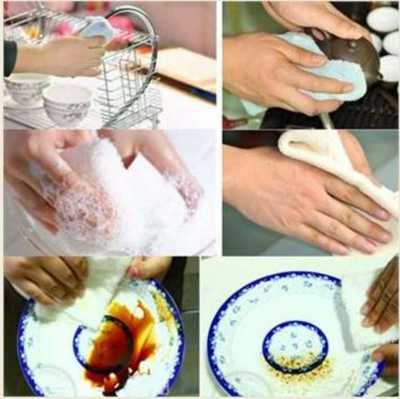
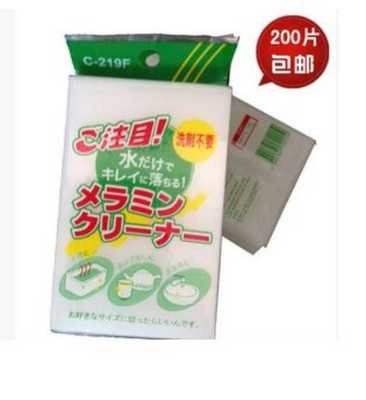
4 x Multi-Purpose Anti-Bacterial Grease Resistant Cleaning Cloth
4 x Multi-Purpose Anti-Bacterial Grease Resistant Cleaning Cloth
SKU HCA232AGC
was AU$24.00
Save 17%
AU$20.00
On Sale
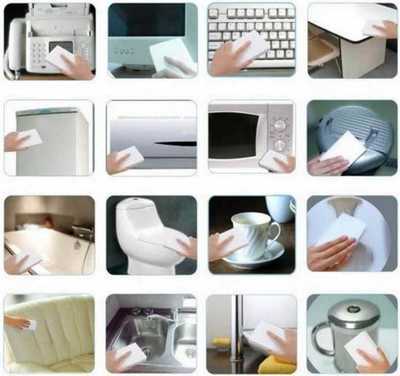
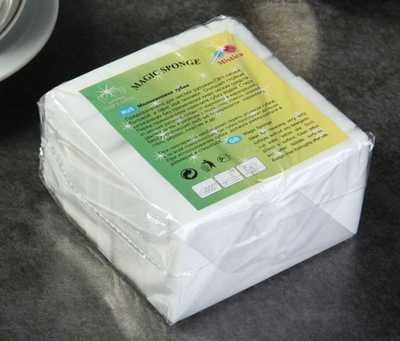
Multi-Purpose Stain Removing Cleaning Sponges for Leatherworks
Multi-Purpose Stain Removing Cleaning Sponges for Leatherworks
SKU HCA230M
was AU$24.00
Save 17%
AU$20.00
On Sale
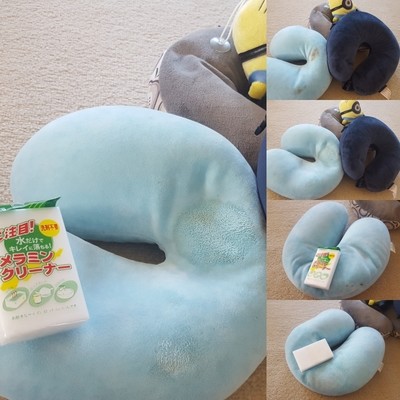
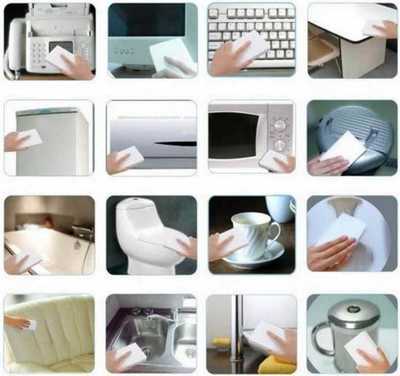
4 x Multi-Purpose Stain Removing Cleaning Sponge for Leatherworks
4 x Multi-Purpose Stain Removing Cleaning Sponge for Leatherworks
SKU HCA230J
was AU$24.00
Save 17%
AU$20.00
On Sale
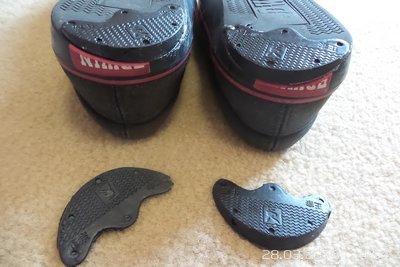
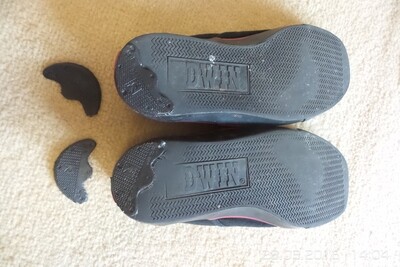
3 Pairs DIY Shoe-Boot Heel Repair Under Shoe Salvage-Replacement Sole
3 Pairs DIY Shoe-Boot Heel Repair Under Shoe Salvage-Replacement Sole
SKU FCSC280CM-VP
was AU$42.00
Save 14%
AU$36.00
On Sale


LED Pocket Size Slim Lumen Bright Torch Key Chain
LED Pocket Size Slim Lumen Bright Torch Key Chain
SKU GB520RMF
was AU$20.00
Save 10%
AU$18.00
On Sale


Classic Beige Tartan Scarf Soft Warm Winter Wrap with Tassels
Classic Beige Tartan Scarf Soft Warm Winter Wrap with Tassels
SKU FSA197MLC
was AU$45.00
Save 22%
AU$35.00
On Sale


Tradescantia Callisia Repens ‘Turtle Vine’, 'Creeping Inchplant'
Tradescantia Callisia Repens ‘Turtle Vine’, 'Creeping Inchplant'
SKU PL-TDCT-TVINE
was AU$8.00
Save 25%
AU$6.00
Display prices in:AUD
Very impressed with service and quality. Very professional. Thank you
Shane S.
Cuckatoo VIC 3781
1.Couldn't ask for more ... free delivery! What a great seller :) 2. So fast ... free delivery! Fantastic!! Thanks :) 3. Super quick delivery! Perfect seller :)
Lucille W.
St. Peters NSW 2044
It's great, put it on and straight away the pain in my feet went right down
Tiffany G
Toormina NSW 2452
Very fast delivery, product is awesome the self heating actually works !!
Mona B.
Granville NSW 2142
