
Categories
🌿 Australian Plant Biosecurity Guide: Prohibited, Restricted & Invasive Plants
SKU BLOG-IHG-PLANT-BIOSECURITY
AU$0.00
Have questions?
In stock
1
Save this product for later
🌿 Australian Plant Biosecurity Guide: Prohibited, Restricted & Invasive Plants
Product Details
🌱 Grow Responsibly. Protect Australia's Unique Environment.
Australia is home to extraordinary plant diversity, but some introduced plants can escape gardens, spread into natural environments and cause serious harm to native vegetation, agriculture, livestock and waterways. Other plants are subject to specific government biosecurity restrictions, even when they are commonly grown or sold as ornamental plants.
Whether you are a home gardener, plant collector, nursery operator or online plant seller, understanding plant biosecurity is an important part of responsible gardening.
This practical guide explains the differences between prohibited, restricted, declared and invasive plants, explores the regulations across all Australian states and territories, and provides an alphabetical register of selected plants with relevant government references.
🌿 Know Before You Grow – A Practical Guide to Plant Restrictions Across Australia.
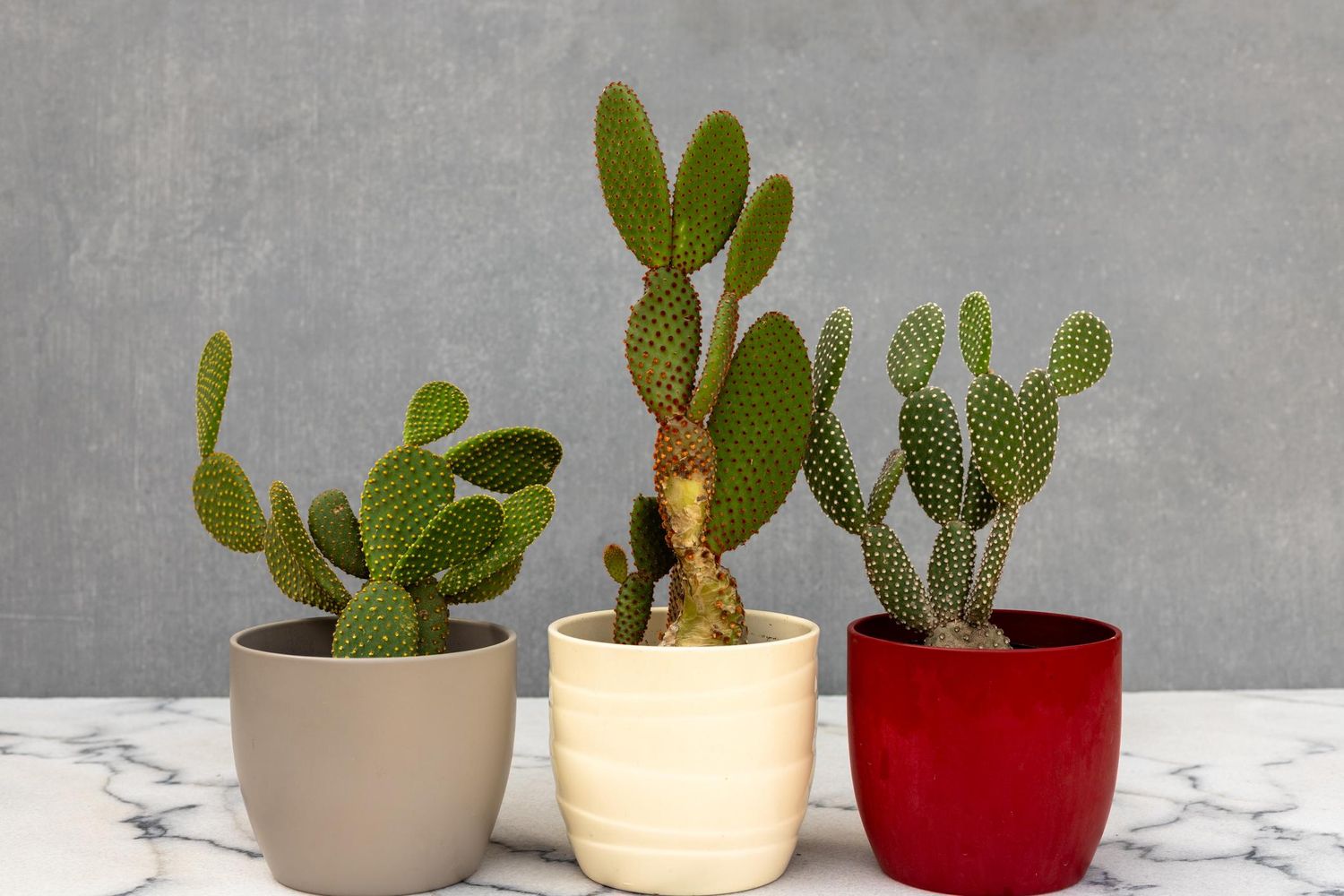
See the illustrative botanical triptych featuring Bunny Ears Cactus, Mother of Millions and Mother of Thousands (from left 2nd photo).
🌏 1. Understanding Australia's Plant Biosecurity Rules
Plant biosecurity laws help protect Australia's environment, agricultural industries, biodiversity, livestock and communities from harmful introduced plants.
Australia does not operate under one universal list of prohibited garden plants. Each state and territory has its own legislation, declarations, control categories and regional management requirements.
A plant that can be legally kept in one location may be subject to restrictions in another. Some restrictions apply to the entire state, while others apply only to particular regions or local government areas.
Prohibited Plants
A prohibited plant is a species or group of plants specifically listed under applicable legislation as prohibited biosecurity matter or prohibited invasive plants.
Depending on the legislation, prohibited dealings may include importing, possessing, keeping, propagating, moving, selling, giving away or releasing the plant into the environment.
Never assume that a plant can be kept simply because it is already growing in a garden or is available elsewhere in Australia.
Restricted Plants
Restricted plants are regulated species subject to particular legal requirements. The restrictions depend on the relevant legislation and assigned category.
Restrictions may apply to selling, distributing, moving, possessing or releasing a plant. Some categories also require reporting or other biosecurity action.
For example, Queensland uses restricted matter categories under its Biosecurity Act 2014. A plant may be subject to more than one category, with each category imposing a different obligation.
Declared Weeds
A declared weed is a plant formally listed under the relevant state or territory legislation. Declaration may require landholders to eradicate, contain or control the plant, or comply with restrictions on its movement and sale.
Not every declared weed is subject to an identical restriction. Always check the declaration and control category applicable to the plant and location.
Invasive Plants
An invasive plant is a species that spreads beyond its intended growing area and causes, or has the potential to cause, environmental, agricultural, economic or social harm.
Invasive plants can displace native vegetation, compete with crops and pasture, alter habitats, damage waterways or become difficult to control.
Important: Being described as invasive does not automatically make a plant illegal to own or sell. Its legal status must be checked against the applicable government legislation.
Alert Weeds and Emerging Threats
Alert weeds are plants that pose a potential biosecurity threat and may be targeted for early detection, reporting and eradication.
If you suspect that you have found an alert weed, avoid moving or disturbing the plant and contact the relevant biosecurity authority for identification and instructions.
Weeds of National Significance (WoNS)
Weeds of National Significance are plants recognised as major national weed management priorities because of their invasiveness, potential to spread and environmental, economic or social impacts.
National recognition does not automatically create a nationwide ban on possession or sale. State and territory legislation must still be checked.
For national background information, visit Australian Government – Established Weeds.
⚖️ 2. Why Plant Restrictions Differ Between Australian States
Each Australian jurisdiction has its own biosecurity legislation and regulatory framework. The terms used, declaration categories and obligations imposed on gardeners and sellers can differ.
Queensland – Restricted Matter Categories
Queensland regulates invasive plants through the Biosecurity Act 2014. Restricted matter categories include:
- Category 2: Must be reported to Biosecurity Queensland within the applicable reporting requirements.
- Category 3: Must not be distributed, including by sale or giving away.
- Category 4: Must not be moved.
- Category 5: Must not be possessed or kept under your control.
Some plants have several applicable categories. Always consult the individual species entry rather than assuming that every restricted plant has the same requirements.
Official resource: Queensland Government – Restricted Invasive Plants.
New South Wales – General and Regional Biosecurity Duties
New South Wales uses the Biosecurity Act 2015 and associated regulations. The General Biosecurity Duty requires people dealing with plants to prevent, eliminate or minimise biosecurity risks so far as is reasonably practicable.
Regional Strategic Weed Management Plans identify local and regional priorities. Depending on the species and region, requirements may include prevention, eradication, containment and restrictions on dealings.
Official resource: NSW WeedWise.
Victoria – Noxious Weed Classifications
Victoria uses four noxious weed classifications:
- State prohibited weeds.
- Regionally prohibited weeds.
- Regionally controlled weeds.
- Restricted weeds.
The applicable classification and responsibilities depend on the species and relevant catchment management region.
Official resource: Agriculture Victoria – Consolidated Lists of Declared Noxious Weeds.
Western Australia – Declared Organisms and Control Categories
Western Australia regulates declared organisms under the Biosecurity and Agriculture Management Act 2007.
Its framework includes:
- C1 – Exclusion: Organisms that should be excluded from part or all of Western Australia.
- C2 – Eradication: Organisms targeted for eradication.
- C3 – Management: Organisms requiring management to reduce their harmful impacts or prevent further spread.
Legal status and keeping requirements should be checked through the Western Australian Organism List (WAOL).
Official resource: DPIRD – Western Australian Organism List.
South Australia – Declared Weeds
South Australia regulates declared weeds under its relevant plant health and biosecurity legislation. Requirements can include landholder control obligations, restrictions on movement and sale, and reporting of alert weeds.
Official resource: PIRSA – Identify Declared Weeds in South Australia.
Tasmania – Declared Weeds
Tasmania maintains an official declared weeds register. Property managers are required to control declared weeds in accordance with the applicable legal requirements.
The Tasmanian government also provides identification resources, control information and management guidance.
Official resource: NRE Tasmania – Declared Weeds Index.
Northern Territory – Declared Weed Classes
The Northern Territory uses four weed declaration classes:
- Class A: Eradicate.
- Class B: Control.
- Class C: Prevent entry.
- Class D: Prevent spread through the actions of people.
Class A and Class B weeds are also subject to Class C requirements.
Official resource: NT Government – A–Z List of Weeds.
Australian Capital Territory – Biosecurity and Control Declarations
The ACT regulates biosecurity matters under the Biosecurity Act 2023 and Biosecurity Regulation 2025.
Biosecurity control declarations may be made to manage specific threats. Gardeners and land managers should check current declarations and the ACT Government's invasive plant guidance.
Official resources:
🌿 3. Alphabetical Plant Biosecurity Register
The following register introduces selected ornamental plants that Australian gardeners and plant sellers should recognise. It distinguishes confirmed legal restrictions from general invasive plant concerns.
Legal status is based on the official government records identified for each species. Where a species-specific legal entry has not been confirmed in a jurisdiction, this is stated rather than assuming that the plant is unrestricted.
Bunny Ears Cactus
Common names: Bunny Ears Cactus, Golden Bristle Cactus, Polka Dot Cactus, Teddy Bear Cactus.
Botanical name: Opuntia microdasys.
Plant family: Cactaceae.
Queensland synonyms and forms: Check the official Opuntia listings and applicable botanical names before identifying related cacti.
Why it is a biosecurity concern: Bunny Ears Cactus produces flattened pads covered in clusters of tiny detachable barbed bristles called glochids. Broken pads can establish new plants, allowing the cactus to spread into pastures and natural areas. Its glochids can injure people and animals.
Verified jurisdictional status:
- New South Wales: Must not be imported into NSW, sold, bartered, exchanged or offered for sale anywhere in the state.
- Queensland: Category 2, 3, 4 and 5 restricted invasive plant. Must not be moved, kept, given away, sold or released. Sightings must be reported within 24 hours.
- Northern Territory: The NT declared weed register lists prickly pear (Opuntia species) as Class A. Check the current declaration and species scope before making a legal determination for an individual plant.
- Victoria, Western Australia, South Australia, Tasmania and ACT: No species-specific legal conclusion is assigned in this initial register. Check the current official register or authority before dealing with the plant.
Practical advice:
- Do not sell or distribute this plant in NSW or Queensland.
- Do not move or keep it in Queensland.
- Do not propagate, exchange or give away pads.
- Wear suitable protective equipment if handling an existing plant, and avoid touching the glochids.
- Do not place viable plant pieces in ordinary garden compost or dump them in natural areas.
- Contact the relevant biosecurity authority for safe removal and disposal instructions.
Official identification and legal resources:
- NSW WeedWise – Bunny Ears Cactus.
- Business Queensland – Bunny Ears.
- Business Queensland – Prickly Pear.
- NT Government – Declared Weed Register.
Mother of Millions
Common names: Mother of Millions, Chandelier Plant, Christmas Bells, Mission Bells.
Botanical name: Bryophyllum delagoense.
Synonym: Kalanchoe delagoensis.
Plant family: Crassulaceae.
Why it is a biosecurity concern: Mother of Millions produces numerous tiny plantlets along its leaves. These plantlets readily establish new plants, allowing it to form dense infestations in grasslands, open woodlands and coastal environments. The plant is poisonous to people, pets and livestock if ingested.
Verified jurisdictional status:
- Queensland: Category 3 restricted invasive plant. It must not be sold, given away or released into the environment. The general biosecurity obligation also applies.
- New South Wales: Regional weed management measures apply to Bryophyllum delagoense. Certain regions have eradication or containment requirements, including restrictions on dealing with the plant. Requirements vary by region.
- Victoria, Western Australia, South Australia, Tasmania, Northern Territory and ACT: No species-specific legal conclusion is assigned in this initial register. Check the relevant current government register and local requirements.
Practical advice:
- Do not sell or give away this plant in Queensland.
- Check NSW regional requirements before possessing, growing, moving or disposing of it.
- Prevent plantlets and broken leaves from spreading into surrounding garden beds.
- Keep the plant away from pets and livestock.
- Do not dump unwanted plants or plantlets into bushland or waterways.
- Seek government advice on safe removal and disposal where an infestation is present.
Official identification and legal resources:
Mother of Thousands
Common names: Mother of Thousands, Mexican Hat Plant, Devil's Backbone.
Botanical name: Kalanchoe daigremontiana.
Synonym: Bryophyllum daigremontianum.
Plant family: Crassulaceae.
Why it is a biosecurity concern: Mother of Thousands produces small plantlets along the margins of its leaves. These can detach and establish new plants, making it capable of spreading beyond its intended growing area.
Verified jurisdictional status:
- New South Wales: The NSW WeedWise profile for Mother of Millions identifies Bryophyllum species and sets out regional requirements for Bryophyllum delagoense and specified hybrids. The reviewed entry does not establish a separate species-specific declaration for Kalanchoe daigremontiana.
- Queensland: The Category 3 Mother of Millions listing specifically identifies Bryophyllum delagoense and Bryophyllum × houghtonii. It should not automatically be applied to Kalanchoe daigremontiana.
- Victoria, Western Australia, South Australia, Tasmania, Northern Territory and ACT: No species-specific legal conclusion is assigned in this initial register. Check current official registers before trading or transporting the plant.
Practical advice:
- Prevent plantlets from escaping into garden beds, neighbouring properties and natural areas.
- Remove fallen plantlets before they establish, using appropriate garden hygiene.
- Do not dispose of viable plant material in bushland or waterways.
- Keep the plant away from pets and children who may accidentally ingest it.
- Check the botanical identity carefully before applying any Mother of Millions legal restriction.
Official botanical reference: NSW Flora Online – Plant Identification.
Important distinction: Mother of Thousands and Mother of Millions are different species. Their similar appearance and prolific reproduction can lead to confusion, but their legal classifications must be checked separately.
🔎 4. Checking a Plant Before Buying, Growing or Selling
Before acquiring a new plant or adding it to a nursery or online store catalogue, check the following information:
- Botanical identity: Confirm the accepted botanical name, synonyms, varieties and hybrids.
- State and territory: Check the regulations in the location where the plant will be possessed or grown.
- Regional requirements: Some restrictions apply only to specified regions or local government areas.
- Possession: Check whether the plant may legally be kept or propagated.
- Sale and distribution: Check whether it may be advertised, sold, exchanged or given away.
- Transport: Check movement and interstate biosecurity requirements before dispatching a plant.
- Disposal: Follow the authority's instructions for destroying and disposing of viable plant material.
A plant being legally available for purchase in one state does not necessarily mean it can be transported or sold to a customer in another state.
📦 5. Important Biosecurity Considerations for Australian Plant Sellers
Plant sellers have an important role in preventing the spread of invasive plants. Online availability and interstate delivery can introduce biosecurity risks when plants are sold without checking destination requirements.
Before listing or dispatching a plant, sellers should:
- Verify the botanical identity of every plant, including relevant synonyms.
- Check applicable state, territory and regional declarations.
- Confirm whether possession, propagation, advertising, sale, distribution or movement is restricted.
- Check destination requirements before accepting interstate orders.
- Ensure plant material, growing media, packaging and containers do not carry prohibited pests, diseases or weeds.
- Keep records of plant identification and relevant biosecurity checks.
- Temporarily suspend a listing if its legal status cannot be reliably established.
Evercare Australia plant shipping policy: Plant availability and dispatch must comply with applicable state and territory biosecurity requirements. A plant appearing in our catalogue should not automatically be assumed suitable for sale or delivery throughout Australia.
📞 6. Official Government Reporting Resources
If you discover a suspected prohibited plant, declared weed or emerging invasive species, contact the relevant biosecurity authority. Early reporting helps prevent further establishment and spread.
Australia-wide Reporting
Exotic Plant Pest Hotline: 1800 084 881
This national hotline connects callers with the appropriate state or territory authority for reports involving plant pests, diseases, weeds and bees.
Official resource: Australian Government – How to Report a Concern.
New South Wales
NSW Department of Primary Industries and Regional Development
Use NSW WeedWise to identify weeds and check biosecurity duties. For local weed management advice, contact your local council's weeds officer.
NSW WeedWise | NSW Government – Control Invasive Weeds.
Queensland
Biosecurity Queensland: 13 25 23
For Bunny Ears Cactus, report sightings within 24 hours. Follow the reporting instructions on the individual restricted plant profile.
Business Queensland – Invasive Plants.
Victoria
Agriculture Victoria: 136 186
Western Australia
Report suspected pests and weeds using MyPestGuide Reporter or contact the Department of Primary Industries and Regional Development.
Western Australian Organism List | DPIRD – Make a Report.
South Australia
Exotic Plant Pest Hotline: 1800 084 881
Alert weeds should be reported immediately. Where safe, take photographs showing the leaves, flowers and fruit, and record the location.
PIRSA – Declared Weeds and Reporting.
Tasmania
Contact Natural Resources and Environment Tasmania for declared weed identification, reporting and management advice.
NRE Tasmania – Invasive Species and Weeds.
Northern Territory
Consult the NT Government's weed register and contact the Weed Management Branch for identification and reporting advice.
Australian Capital Territory
Report suspected biosecurity threats to ACT Biosecurity.
Email: ACTBiosecurity@act.gov.au
Phone: 13 22 81 (Access Canberra).
🌱 7. Responsible Gardening and Preventing Plant Spread
Gardeners can help protect Australia's natural environment by following simple biosecurity practices.
- Choose plants that are suitable for your local environment and not subject to relevant restrictions.
- Research a plant's invasive potential before purchasing or propagating it.
- Prevent seeds, plantlets, cuttings and viable plant fragments from escaping into surrounding areas.
- Do not dump unwanted plants or garden waste in bushland, waterways, roadsides or public reserves.
- Clean gardening equipment, pots and tools where they may carry seeds, plant fragments or contaminated soil.
- Follow government advice when removing or disposing of declared weeds.
- Report suspicious or unfamiliar invasive plants to the appropriate authority.
🌏 8. Growing Responsibly Protects Australia's Biodiversity
Australia's natural environment is valuable and unique. Responsible plant selection, careful gardening and awareness of biosecurity requirements help protect native vegetation, wildlife, agricultural land and waterways.
A plant that looks attractive in a garden may become an environmental problem if it escapes cultivation and establishes in surrounding bushland.
Before purchasing, growing, propagating, selling, transporting or sharing a plant, take the time to check its botanical identity and current legal status.
Know Before You Grow. Enjoy Your Plants. Protect Australia's Biodiversity. 🌿
📚 9. Important References and Disclaimer
This guide is intended for general educational and gardening information. It is not a complete register of every prohibited, restricted, declared or invasive plant in Australia.
Plant declarations, legal requirements and regional management measures can change. Common names may also refer to different botanical species, and synonyms can appear in legislation and government databases.
Where a plant's species-specific legal status has not been confirmed, this guide does not assume that possession, propagation, sale or transport is permitted.
Always consult the relevant government authority and current legislation before purchasing, possessing, propagating, selling, transporting or disposing of a potentially restricted plant.
Evercare Australia does not provide legal or biosecurity compliance advice. Gardeners and sellers are responsible for checking the requirements applicable to their circumstances.
Government information and register references reviewed: 3 November 2026. Please check the latest official publications before acting on this information.
Disclaimer
This guide is provided for general educational and gardening information. Plant declarations, restrictions and biosecurity requirements may change and can differ between Australian states, territories and local government areas. Common names can also refer to different botanical species.
Always consult the relevant government authority and current legislation before purchasing, possessing, propagating, selling, transporting or disposing of a potentially restricted plant. Evercare Australia does not provide legal or biosecurity compliance advice.
Government sources reviewed: 3 November 2026. Always check the latest published requirements.
Display prices in:AUD
Very impressed with service and quality. Very professional. Thank you

Shane S.
Cuckatoo VIC 3781
1.Couldn't ask for more ... free delivery! What a great seller :) 2. So fast ... free delivery! Fantastic!! Thanks :) 3. Super quick delivery! Perfect seller :)
Lucille W.
St. Peters NSW 2044
It's great, put it on and straight away the pain in my feet went right down
Tiffany G
Toormina NSW 2452
Very fast delivery, product is awesome the self heating actually works !!

Mona B.
Granville NSW 2142
