
Categories
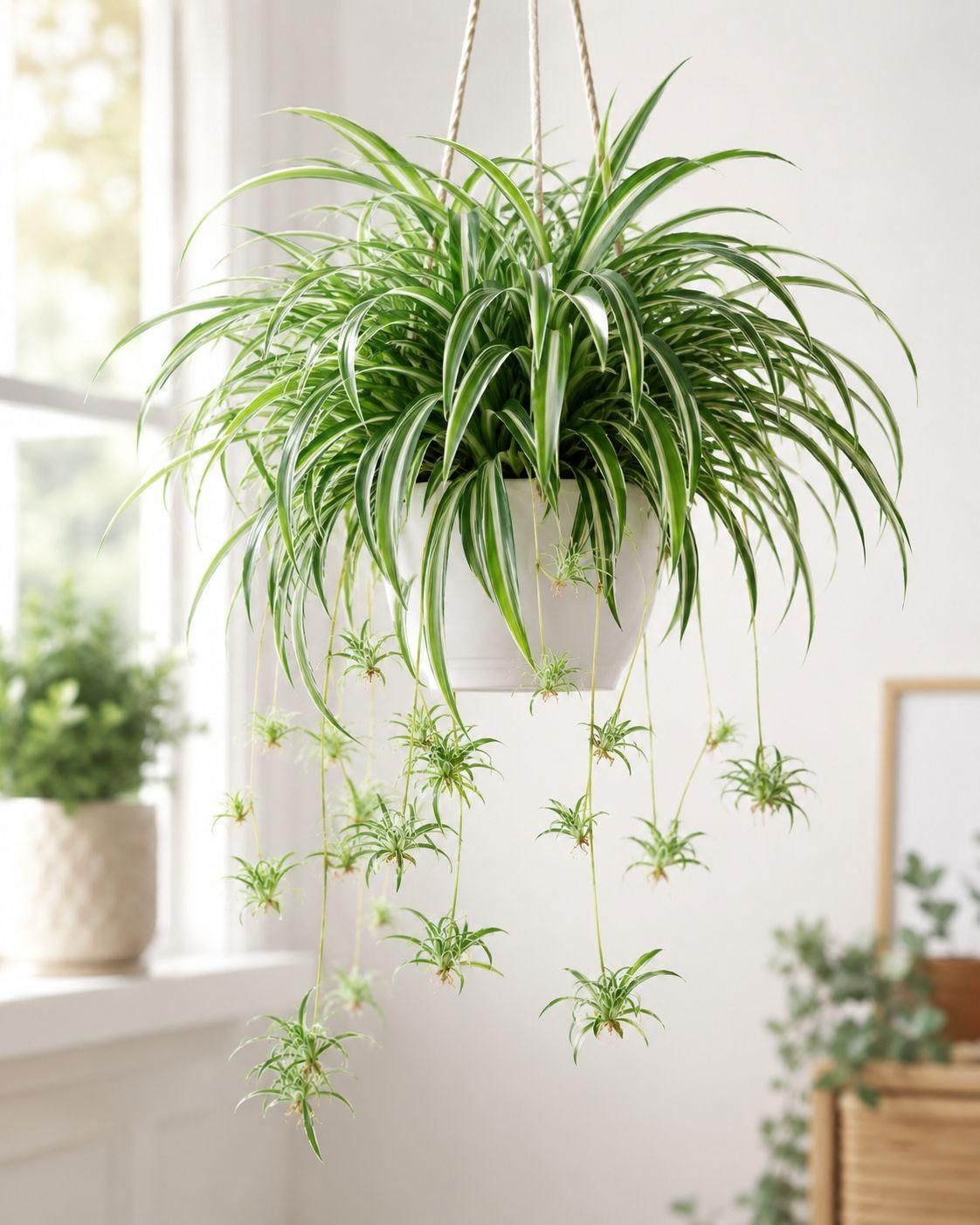
How to Prevent Brown Tips on Spider Plant Leaves
SKU BLOG-IHG-SPIDER-LEAF-TIPS
AU$0.00
Have questions?
In stock
1
Save this product for later
How to Prevent Brown Tips on Spider Plant Leaves
Product Details
🌿 Keep Your Spider Plants Lush, Green & Beautiful – 7 Simple Ways to Prevent Brown Leaf Tips
Brown or burnt leaf tips are among the most common problems experienced by Spider Plant owners. Although Chlorophytum comosum is generally an easy-going and resilient houseplant, its attractive arching foliage can develop unsightly brown tips when growing conditions are not quite right.
The good news is that brown leaf tips are usually preventable. Understanding the underlying causes and making a few adjustments to your watering, lighting and feeding routine can help maintain beautiful, healthy foliage.
Whether you grow Spider Plants in hanging baskets, decorative pots or garden containers, here are seven practical ways to prevent brown tips and keep your plants looking their best.
🌱 1. Use Rainwater or Suitable Filtered Water
One of the lesser-known causes of brown tips on Spider Plant leaves is sensitivity to fluoride and the accumulation of dissolved mineral salts in the growing medium. Over time, these substances can build up around the roots and contribute to browning at the leaf tips.
What you can do:
- Use rainwater whenever practical.
- Consider filtered water if your filtration system specifically removes fluoride.
- Avoid repeatedly using softened water, which may contain additional sodium.
- Occasionally flush the potting mix with suitable clean water to help remove accumulated mineral salts.
💡 Gardening Tip: If your Spider Plant develops brown tips despite receiving appropriate light, watering and fertilising, try switching to rainwater and observe whether the new growth improves.
🌱 2. Avoid Over-Fertilising
Spider Plants are not particularly heavy feeders. Applying too much fertiliser can cause mineral salts to accumulate in the potting mix, potentially damaging the roots and contributing to brown leaf tips.
More fertiliser does not necessarily mean healthier or faster-growing plants!
What you can do:
- Use a balanced liquid fertiliser during active growth.
- Apply at half the manufacturer's recommended strength.
- Feed mainly during spring and summer.
- Reduce or stop feeding during cooler months when growth slows.
- Avoid applying fertiliser to very dry soil.
💡 Gardening Tip: Occasionally flush the potting mix with clean water to help remove excess fertiliser salts. Always allow the water to drain freely.
🌱 3. Water Consistently Without Overwatering
Spider Plants prefer moderately moist soil but do not enjoy sitting in waterlogged conditions. Allowing the soil to become excessively dry can cause leaf tips to turn brown and crispy. On the other hand, overwatering can damage the roots and lead to yellowing foliage.
What you can do:
- Check the top 2–3 cm of soil before watering.
- Water thoroughly when the surface begins to dry.
- Allow excess water to drain through the bottom of the pot.
- Never leave the plant sitting in a saucer of standing water.
- Adjust watering frequency according to the season, pot size and growing conditions.
💡 Gardening Tip: Smaller pots, particularly 120 mm and 130 mm containers, generally dry out faster than larger 200 mm pots. Check each pot individually rather than following a fixed watering schedule.
🌱 4. Provide Bright, Indirect Light
Spider Plants grow beautifully in bright, indirect light. However, prolonged exposure to strong direct sunlight, especially during hot summer afternoons, can scorch their delicate foliage.
Sun-damaged leaves may develop bleached, pale or brown patches, particularly where the foliage receives intense direct sunlight.
What you can do:
- Position plants near a bright window with filtered light.
- Protect them from intense afternoon sunshine.
- Avoid placing them against hot window glass during summer.
- Rotate pots occasionally to encourage even growth.
💡 Gardening Tip: A bright position with gentle morning sunlight and protection from harsh afternoon rays is often ideal.
🌱 5. Maintain Suitable Humidity
Spider Plants are adaptable and generally tolerate normal household humidity. However, very dry conditions can contribute to crispy leaf tips, particularly when combined with inadequate watering or hot airflow.
What you can do:
- Keep plants away from direct air-conditioning outlets.
- Avoid positioning them beside heaters or other sources of hot, dry air.
- Group several plants together to create a slightly more humid microclimate.
- Maintain good air circulation around the foliage.
💡 Gardening Tip: Regular misting is not essential for Spider Plants. Consistent watering and avoiding excessively dry environments are more important.
🌱 6. Use a Well-Draining Potting Mix
Healthy roots are essential for healthy foliage. Spider Plants prefer a loose, well-draining growing medium that retains some moisture without becoming waterlogged.
Poor drainage can cause root problems, while excessively compacted soil can restrict healthy root development.
What you can do:
- Choose a good-quality indoor potting mix.
- Add perlite or another suitable drainage amendment if the mix retains too much moisture.
- Use pots with adequate drainage holes.
- Avoid allowing excess water to collect at the bottom of decorative outer pots.
💡 Gardening Tip: If the potting mix stays wet for several days, check its structure and drainage before increasing watering or fertilising.
🌱 7. Trim Damaged Leaf Tips
Once a Spider Plant leaf tip has turned brown, it will not become green again. However, removing the damaged portion can improve the plant's overall appearance.
What you can do:
- Use clean, sharp scissors.
- Carefully trim the brown portion of the leaf.
- Follow the natural pointed shape of the foliage.
- Leave a very narrow brown margin rather than cutting into healthy green tissue.
- Remove completely yellow or severely damaged leaves at their base.
💡 Gardening Tip: Regular grooming helps maintain the neat, bushy appearance of Spider Plants, particularly those displayed in decorative pots or hanging baskets.
🔎 Common Causes of Brown Spider Plant Tips
Not all brown tips have the same cause. Observing the appearance of the leaves can help you identify what needs attention.
Dry Brown Tips with Otherwise Healthy Green Leaves
Often associated with fluoride sensitivity or mineral and fertiliser salt accumulation in the potting mix.
Brown, Crispy Tips and Dry Foliage
May indicate underwatering, excessively dry soil or prolonged exposure to hot, dry conditions.
Brown Tips Following Fertilising
May indicate excessive fertiliser application and a build-up of soluble salts around the roots.
Bleached or Scorched Patches
Often caused by excessive direct sunlight, particularly during hot weather.
Yellow Leaves with Brown Edges
May indicate watering or drainage problems, including damage to the roots from consistently waterlogged soil.
Remember that several factors can contribute to brown tips at the same time. Check the overall growing conditions before making major changes to your plant care routine.
🌿 Keeping Your Spider Plants Beautiful and Bushy
Spider Plants are wonderfully rewarding plants, producing attractive arching foliage and cascading baby plantlets known as spiderettes. With suitable growing conditions, they can develop into lush, bushy specimens that make beautiful additions to indoor spaces, patios and hanging baskets.
To maintain their appearance, establish a simple care routine:
- Use rainwater or suitable filtered water where practical.
- Avoid excessive fertilising.
- Check soil moisture before watering.
- Provide bright, indirect light.
- Keep plants away from hot, dry airflow.
- Maintain good soil drainage.
- Remove damaged foliage as necessary.
A little consistent care goes a long way! By identifying the causes of brown leaf tips and making a few simple adjustments, you can encourage fresh, healthy foliage and enjoy your Spider Plants at their best.
🌱 Happy Gardening with Evercare Australia!
Display prices in:AUD
Very impressed with service and quality. Very professional. Thank you

Shane S.
Cuckatoo VIC 3781
1.Couldn't ask for more ... free delivery! What a great seller :) 2. So fast ... free delivery! Fantastic!! Thanks :) 3. Super quick delivery! Perfect seller :)
Lucille W.
St. Peters NSW 2044
It's great, put it on and straight away the pain in my feet went right down
Tiffany G
Toormina NSW 2452
Very fast delivery, product is awesome the self heating actually works !!

Mona B.
Granville NSW 2142
