
Categories
7. 🔌 How to Clean & Descale Your Kettle
SKU BLOG-HK-APPL-007
AU$0.00
Have questions?
In stock
1
Save this product for later
7. 🔌 How to Clean & Descale Your Kettle
Product Details
✨ A sparkling kettle starts with a simple routine — keep limescale at bay and every cuppa tasting fresh.
Whether you're making your morning tea, preparing coffee or filling a hot-water bottle, your kettle is one of those everyday appliances that rarely gets a day off.
But have you noticed white flakes floating in your cup, chalky marks inside the kettle or a cloudy film around the water line? These are often signs of mineral deposits known as limescale.
Limescale develops when minerals naturally present in water are left behind during heating. Over time, deposits can collect inside the kettle, around the heating element and on the filter. A build-up may affect heating efficiency and make your kettle take longer to boil.
Fortunately, regular cleaning and correct descaling can help keep your kettle in good condition.
In this guide, we'll explain how to clean the inside and outside of your kettle, remove limescale safely, care for the filter and avoid common mistakes.
🔍 Why Does Limescale Build Up in a Kettle?
Tap water contains naturally occurring minerals, particularly calcium and magnesium. When water is heated, some of these minerals can form solid deposits on the kettle's internal surfaces.
Depending on your water supply, you may notice:
- White or chalky deposits on the bottom of the kettle.
- Small flakes floating in freshly boiled water.
- Cloudy or rough-looking patches on stainless steel.
- Mineral deposits around the heating element or spout.
- A build-up on the removable filter.
- The kettle taking longer than usual to boil.
Limescale is generally a mineral deposit rather than dirt. Its appearance can vary with the mineral content of your water, and some deposits may look cream, yellowish, brown or darker in colour.
Regular descaling helps remove these deposits before they become difficult to manage.
🫖 What You'll Need
For ordinary kettle cleaning, gather:
- Soft microfibre cloth
- Non-scratch sponge
- Soft-bristled brush
- Warm water
- Mild dishwashing liquid, if permitted for the exterior or removable parts
- Manufacturer-approved kettle descaler, vinegar or citric acid, where permitted
- Clean water for rinsing
Always check your kettle's instruction manual before choosing a descaling product. Some models have specific requirements for the type and concentration of descaler, soaking time and rinsing procedure.
⚠️ Safety First: Before Cleaning
Electric kettles contain electrical connections, so a few precautions are essential.
- Switch off and unplug the kettle before cleaning.
- Allow the kettle to cool completely.
- Remove it from its power base before wiping or washing removable components.
- Never immerse an electric kettle, its power base, cord or plug in water.
- Keep the electrical connector and base completely dry.
- Do not fill above the maximum water level during descaling.
- Keep children away from hot water and cleaning solutions.
- Follow the descaler label and the kettle manufacturer's instructions.
Important: Never mix vinegar, citric acid, bleach, ammonia or other cleaning products. Use one approved descaling method at a time and rinse the kettle thoroughly before using it again.
🧽 Step-by-Step: How to Clean the Outside of Your Kettle
1. Unplug and Cool the Kettle
Make sure the kettle is switched off, unplugged and completely cool before cleaning.
2. Wipe the Exterior
Dampen a soft microfibre cloth with water. If the manufacturer permits, use a little mild dishwashing liquid to remove fingerprints, splashes and everyday grime.
Wipe gently, paying attention to the handle, lid and areas around the spout.
3. Remove Soap Residue
Use a separate clean, damp cloth to wipe away any detergent residue.
4. Dry Thoroughly
Finish with a dry, soft cloth to remove moisture and water marks.
Take care: Avoid abrasive powders, steel wool, harsh scourers and corrosive cleaning products. These can scratch stainless steel, damage coatings or dull plastic and painted finishes.
💧 How to Descale the Inside of Your Kettle
Descaling removes mineral deposits from the kettle's internal surfaces. The right method depends on your particular model.
Common approved options include:
- White vinegar: Some manufacturers permit a diluted vinegar solution to dissolve mineral deposits.
- Citric acid: Some kettle manuals specify a citric acid solution as an alternative to vinegar.
- Commercial kettle descaler: A purpose-made product may be recommended, particularly for models with specific material or coating requirements.
These methods are alternatives, not ingredients to combine. Always follow the exact product label and kettle instructions.
Method A: Using White Vinegar
Some kettle manufacturers approve white vinegar for descaling. However, the permitted concentration and soaking procedure vary.
If your kettle manual specifically allows vinegar:
- Check the recommended vinegar strength and dilution ratio.
- Prepare the solution using the quantities specified by the manufacturer.
- Pour it into the kettle without exceeding the permitted fill level.
- Follow the specified soaking or heating instructions. Some models require a cold soak, while others permit heating the solution.
- Empty the kettle when the recommended treatment time has passed.
- Rinse thoroughly with fresh water as directed.
Do not assume that boiling vinegar is necessary. Some manufacturer instructions specifically recommend leaving the solution to stand without heating.
Method B: Using Citric Acid
Citric acid is another descaling option approved for certain kettles. It can help dissolve mineral deposits and generally leaves less lingering odour than vinegar.
If your kettle manual permits citric acid:
- Check the manufacturer's specified quantity and water volume.
- Dissolve the citric acid as instructed, using the correct water temperature.
- Add the solution to the kettle without exceeding its permitted fill level.
- Allow it to work for the recommended period.
- Empty the kettle and rinse thoroughly.
Do not guess the concentration or use a recipe intended for another appliance. A citric acid method approved for one kettle may not be suitable for another.
Method C: Using a Commercial Kettle Descaler
If you prefer a ready-made product, choose a descaler specifically suitable for your kettle's material and model.
- Read the product label before use.
- Check whether the descaler is suitable for stainless steel, glass or plastic kettles, as applicable.
- Measure the recommended quantity carefully.
- Follow the stated soaking or heating procedure.
- Complete all required rinsing steps.
A bathroom or kitchen limescale remover is not automatically suitable for an appliance used to boil drinking water.
🚿 How to Clean the Kettle Filter
Many electric kettles have a removable mesh filter near the spout. Its purpose is to catch loose mineral flakes before they enter your cup.
Over time, the filter can become coated with limescale and may need cleaning.
- Unplug the kettle and allow it to cool completely.
- Check the manual for the correct filter removal procedure.
- Remove the filter gently without forcing it.
- Rinse it under running water if permitted.
- Use a soft brush to loosen deposits from the mesh.
- If necessary, use an approved descaling solution according to the instructions.
- Rinse thoroughly and allow the filter to dry as directed.
- Reinstall it securely before using the kettle.
Some filters are not designed to be removed by the user. If yours is fixed in place, follow the manufacturer's cleaning instructions instead.
✨ How to Remove Stubborn Limescale
Heavy mineral deposits may not disappear completely after one descaling treatment.
If your kettle still has visible deposits:
- Check whether the original descaling procedure was followed correctly.
- Repeat the approved process only if the manufacturer permits it.
- Use a soft sponge or brush for accessible residue if recommended.
- Avoid scraping deposits with knives, metal tools or sharp objects.
- Do not use steel wool or abrasive scourers.
Some internal surfaces have protective coatings or finishes that can be damaged by aggressive scrubbing. Gentle treatment is preferable to trying to remove every mark by force.
If the deposit does not come away, consult the manufacturer rather than experimenting with stronger chemicals.
💦 How Many Times Should You Rinse After Descaling?
Rinsing is an important part of kettle descaling because it removes remaining cleaning solution and loosened mineral deposits.
The required number of rinses depends on the product and kettle instructions. Some manuals specify several rinses, while others require one or more fresh-water boiling cycles.
As a general reminder:
- Empty the used descaling solution safely.
- Rinse the interior with fresh water as directed.
- Complete any required fresh-water boil-and-empty cycles.
- Clean the spout and removable filter if necessary.
- Do not use the kettle for drinking water until the complete rinsing procedure has been carried out.
If an unusual taste or smell remains, do not serve the water. Follow the manufacturer's additional rinsing advice or contact its support team.
🚫 Common Kettle Cleaning Mistakes to Avoid
- Immersing the kettle in water: This can damage electrical components and create an electric-shock risk.
- Wetting the power base or plug: Keep all electrical connections dry.
- Using the wrong descaler: Some products may damage particular kettle materials or finishes.
- Guessing the vinegar concentration: Different manufacturers specify different strengths and dilution ratios.
- Boiling every descaling solution: Some methods require soaking without heating.
- Overfilling the kettle: Excess liquid may boil over or spill during descaling.
- Scrubbing with steel wool: Abrasive materials can damage the internal and external finish.
- Using sharp metal objects: Knives and metal scrapers can scratch the kettle.
- Mixing cleaning chemicals: Never combine vinegar, citric acid, bleach or other cleaners.
- Skipping the rinsing process: Cleaning solution must be removed before the kettle is used again.
- Ignoring persistent damage: A leaking kettle or damaged electrical cord should not be used.
🔍 Troubleshooting: Common Kettle Problems
| Problem | Possible Cause | What to Do |
|---|---|---|
| White flakes floating in water | Limescale may be breaking away from the internal surface. | Check the filter and descale using the approved method. |
| White marks inside the kettle | Mineral deposits from repeated boiling. | Carry out the recommended descaling procedure. |
| Kettle takes longer to boil | Scale may have accumulated around the heating element or internal surfaces. | Check the manual and descale if required. |
| Kettle switches off before boiling | Possible scale build-up, insufficient water or an appliance fault. | Check the water level and instructions. Descale if appropriate. Seek service if the problem continues. |
| Brown or dark deposits | Mineral deposits may contain other naturally occurring substances, such as iron. | Follow the manufacturer's advice. Do not assume the marks are ordinary dirt. |
| Vinegar smell remains | Descaling solution may not have been rinsed away completely. | Repeat the prescribed fresh-water rinsing procedure. |
| Water leaks from the kettle | Possible damaged seal, body or connection. | Stop using the kettle and contact the manufacturer or service centre. |
| Filter remains blocked | Persistent mineral deposits or damaged mesh. | Clean only as instructed. Replace the filter if the manufacturer recommends it. |
If your kettle leaks, has a damaged plug or cord, or shows signs of electrical damage, stop using it. Do not attempt to repair electrical components yourself.
📅 How Often Should You Clean and Descale Your Kettle?
The best cleaning schedule depends on how often you use your kettle and the mineral content of your water.
Here is a simple routine to help you keep track:
- After use: Empty excess water if recommended by the manufacturer and leave the kettle to cool safely.
- Weekly or as needed: Wipe the exterior and remove fingerprints or splashes.
- Periodically: Check the interior, spout and filter for visible mineral deposits.
- When required: Descale according to the manufacturer's schedule or when scale begins to accumulate.
- After descaling: Complete the full rinsing procedure before making drinks.
Some manufacturers recommend monthly descaling in hard-water conditions, while others suggest longer intervals in softer-water areas. Frequent use can also increase the need for maintenance.
Rather than following one fixed schedule for every kettle, check your model's manual and monitor the build-up inside your appliance.
💡 Handy Tips for Keeping Your Kettle Fresh
- Use fresh drinking water rather than repeatedly boiling the same water.
- Empty leftover water when appropriate instead of allowing it to sit for extended periods.
- Keep the exterior clean and dry.
- Check the filter regularly for trapped mineral flakes.
- Descale before heavy deposits become difficult to remove.
- Use only approved descaling products and methods.
- Keep the power base and electrical connections dry.
- Store the kettle with the lid open only if the manufacturer recommends it and the appliance is safely positioned.
- Never operate the kettle without the minimum required amount of water.
🧽 A Little Help for Your Everyday Cleaning
A soft cloth is useful for keeping the outside of your kettle and surrounding kitchen surfaces clean and presentable.
Explore these Evercare Australia cleaning accessories for general household cleaning:
- 4 x Multi-Purpose Anti-Bacterial & Grease-Resistant Cleaning Cloth – useful for wiping suitable kitchen surfaces and the exterior of compatible appliances.
- 3 x Microfiber Lens, Screen & Glass Cleaning Cloth – handy for gentle finishing on suitable smooth glass and exterior surfaces.
Always unplug and cool the kettle before wiping it. Never use a cleaning cloth to push water into the spout, electrical connections or other openings.
✨ The Takeaway: A Little Care Goes a Long Way
Your kettle may be a simple appliance, but regular care helps keep it clean, efficient and ready for your next cup of tea or coffee.
Wipe the exterior, check the filter and remove limescale when needed. Most importantly, use a descaling method that is approved for your particular kettle rather than relying on a one-size-fits-all internet recipe.
With a little regular attention, you can keep mineral build-up under control and enjoy a fresher kettle every day.
🫖 Keep it clean. Keep it fresh. Enjoy every cuppa.
📚 Explore More Household Cleaning & Appliance Care Guides
Discover more practical tips in our 🔌 Household Appliances & Care series, along with our 🧽 Cleaning & Home Care guides.
Research references
- De'Longhi Australia — How do I descale my kettle?: Descaling frequency depends on water hardness; manufacturer-specific vinegar guidance.
- Philips Australia — My Philips Kettle is dirty with small spots inside: Mineral deposits, descaling options and the importance of following model-specific instructions.
- Tefal — User manual and frequently asked questions: Approved vinegar and citric-acid procedures, filter cleaning and exterior care.
- Kmart Australia — Electric kettle cleaning and care manual: Electrical safety, cleaning restrictions and an example of model-specific descaling instructions.
- KitchenAid Australia — How to Clean & Descale Your Kettle: General kettle care and limescale maintenance.
Editorial note: This article intentionally does not prescribe one universal vinegar or citric-acid mixture. For example, Tefal's instructions for certain models specify a cold vinegar soak, while other manufacturers provide different procedures. The user's own kettle manual and the descaler label should always take priority.
You May Also Like
On Sale
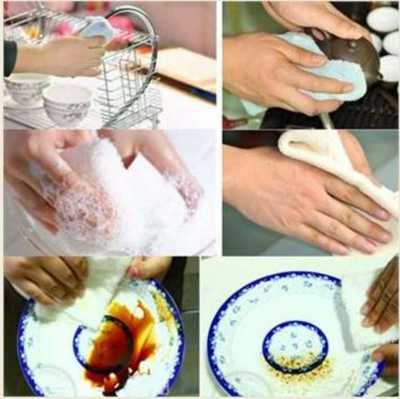
4 x Multi-Purpose Anti-Bacterial Grease Resistant Cleaning Cloth
4 x Multi-Purpose Anti-Bacterial Grease Resistant Cleaning Cloth
SKU HCA232AGC
was AU$24.00
Save 17%
AU$20.00
On Sale
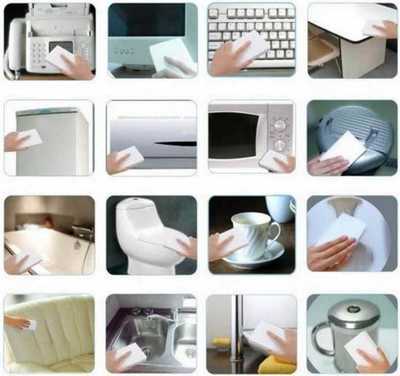
Multi-Purpose Stain Removing Cleaning Sponges for Leatherworks
Multi-Purpose Stain Removing Cleaning Sponges for Leatherworks
SKU HCA230M
was AU$24.00
Save 17%
AU$20.00
On Sale
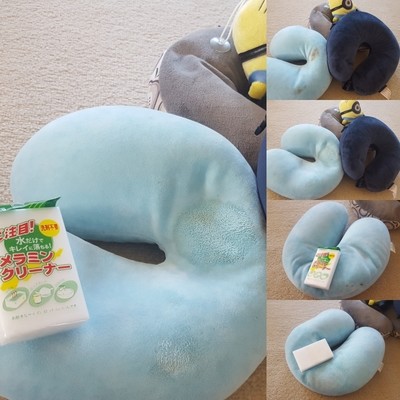
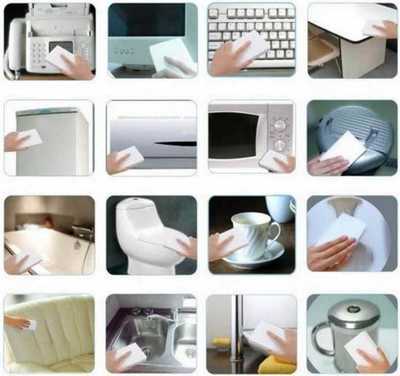
4 x Multi-Purpose Stain Removing Cleaning Sponge for Leatherworks
4 x Multi-Purpose Stain Removing Cleaning Sponge for Leatherworks
SKU HCA230J
was AU$24.00
Save 17%
AU$20.00
On Sale


Anti-Friction Toe Bunion Care Separator-Protector-Corrector
Anti-Friction Toe Bunion Care Separator-Protector-Corrector
SKU FCBT18
was AU$20.00
Save 15%
AU$17.00
On Sale


Hug My Heels Thick Soft Orthotic Silica Gel Arch Support Cushion
Hug My Heels Thick Soft Orthotic Silica Gel Arch Support Cushion
SKU FCOA81HMH
was AU$22.00
Save 18%
AU$18.00
On Sale


1 Pair Soft Silicon Gel Finger-Thumb-Toe Protector Tubes 4 sizes S-M-L-XL
1 Pair Soft Silicon Gel Finger-Thumb-Toe Protector Tubes 4 sizes S-M-L-XL
SKU FCBT162S
was AU$18.00
Save 17%
AU$15.00
On Sale


20 pcs Dual Sided Safe Non-Toxic Yellow & Blue Sticky Insect Trap
20 pcs Dual Sided Safe Non-Toxic Yellow & Blue Sticky Insect Trap
SKU ATL120BAIT-BEYW
was AU$26.00
Save 15%
AU$22.00


Display prices in:AUD
Very impressed with service and quality. Very professional. Thank you
Shane S.
Cuckatoo VIC 3781
1.Couldn't ask for more ... free delivery! What a great seller :) 2. So fast ... free delivery! Fantastic!! Thanks :) 3. Super quick delivery! Perfect seller :)
Lucille W.
St. Peters NSW 2044
It's great, put it on and straight away the pain in my feet went right down
Tiffany G
Toormina NSW 2452
Very fast delivery, product is awesome the self heating actually works !!

Mona B.
Granville NSW 2142
