
Categories
6. ☕ How to Clean Your Coffee Machine
SKU BLOG-HK-APPL-006
AU$0.00
Have questions?
In stock
1
Save this product for later
6. ☕ How to Clean Your Coffee Machine
Product Details
✨ Better coffee starts with a cleaner machine — give every brew a fresher beginning.
There is nothing quite like the aroma of freshly brewed coffee. Whether you enjoy a morning espresso, a creamy cappuccino or a quick cup from a capsule machine, your coffee maker is probably one of the hardest-working appliances in your kitchen.
But coffee machines need regular attention too. Coffee oils, fine grounds, milk residue and mineral deposits can gradually build up inside and around the appliance. Over time, this can affect the taste of your coffee, create unpleasant smells and interfere with how the machine works.
The good news is that a few simple cleaning habits can make everyday maintenance much easier.
In this guide, we'll explore how to clean different types of coffee machines, care for milk frothers and removable parts, understand descaling and avoid common mistakes that could damage your appliance.
☕ First, Identify Your Coffee Machine Type
Before cleaning, identify which type of coffee machine you own. Different designs have different removable parts, cleaning cycles and maintenance requirements.
- Manual or semi-automatic espresso machine: Uses ground coffee in a portafilter and may have a steam wand for frothing milk. The group head, filter basket and portafilter need regular attention.
- Capsule or pod machine: Uses individual coffee capsules or pods. The used-capsule container, drip tray, water tank and coffee outlet require regular cleaning.
- Automatic bean-to-cup machine: Grinds coffee beans and prepares drinks automatically. Depending on the model, it may have a removable brewing unit, internal cleaning programmes and a milk system.
- Drip or filter coffee maker: Brews coffee through a filter basket and carafe. Coffee residue, the carafe and the water reservoir need regular care.
- Espresso machine with an automatic milk system: May have a milk container, tubes or a removable milk carafe that requires a dedicated cleaning routine.
Some machines combine several of these features. Always check the user manual for the exact cleaning procedure, approved products and removable components.
🧽 What You'll Need
For general coffee machine care, you may need:
- Clean microfibre cloths
- Soft cleaning sponge
- Warm water
- Mild dishwashing liquid, where permitted
- Soft cleaning brush
- Small brush for accessible coffee grounds
- Manufacturer-approved coffee machine cleaning tablets or solution, if required
- Manufacturer-approved descaling solution, when descaling is due
- Clean container for collecting rinse water
Some machines require specific cleaning tablets, descaling liquids or cleaning accessories. Do not substitute ordinary household cleaners or general-purpose descalers unless the manufacturer confirms they are suitable.
⚠️ Safety First: Before Cleaning
- Switch off the machine and unplug it before manual cleaning where instructed.
- Allow hot components to cool before handling them.
- Remove used capsules, coffee grounds and water from the appropriate compartments.
- Keep the electrical base, power cord, plug and internal electrical components dry.
- Never immerse the main coffee machine housing in water unless the manufacturer explicitly permits it.
- Use only cleaning and descaling products approved for your model.
- Keep cleaning products away from children and pets.
Important: Do not dismantle internal components, force removable parts or attempt to clean inaccessible pipes and electrical areas yourself. Follow the manufacturer's instructions or arrange professional servicing when necessary.
☕ How to Clean a Manual or Semi-Automatic Espresso Machine
Espresso machines can accumulate coffee grounds and oils around the group head, filter basket and portafilter. If your machine has a steam wand, milk residue also needs attention after every use.
1. Clean the Portafilter and Filter Basket
After preparing coffee, remove the portafilter and empty the used coffee grounds.
- Rinse the filter basket and portafilter using the method recommended in the manual.
- Wipe away remaining coffee grounds with a clean cloth.
- Check the basket holes for blocked coffee residue.
- Use an approved cleaning solution for deeper cleaning when required.
Some filter baskets and portafilters can be soaked in a dedicated coffee machine cleaning solution, but the handle and other components may have different requirements. Follow the instructions for your particular machine.
2. Clean the Group Head
The group head is the part of the machine that delivers hot water through the coffee basket.
Once the portafilter has been removed, use the recommended rinsing or cleaning procedure to remove loose coffee grounds from the accessible area.
If your espresso machine supports backflushing, follow the manual to determine whether a blind basket and specialist cleaning product are required. Not every espresso machine is designed for backflushing.
Never force water or cleaning solution through a machine using a procedure that is not approved for its design.
3. Clean the Steam Wand Immediately After Use
Milk residue can dry quickly and block the steam wand. It can also create unpleasant smells if left unattended.
- Wipe the outside of the steam wand with a clean damp cloth after use.
- Purge the wand according to the manufacturer's instructions.
- Check the steam tip for visible milk residue.
- Use the supplied cleaning pin or approved tool only if required by the manual.
Take care when handling the steam wand because it can remain extremely hot after making coffee.
4. Empty and Clean the Drip Tray
Remove the drip tray and empty any collected water and coffee residue. Wash removable parts with warm water and mild detergent if permitted.
Rinse and dry the components before putting them back into position.
🥛 How to Clean a Milk Frother or Milk System
Milk systems need particular attention because milk residue can collect inside frothing attachments, containers and tubes.
For a removable milk jug or carafe:
- Empty any unused milk after preparing your drink.
- Separate removable components according to the manual.
- Wash dishwasher-safe parts only if the manufacturer permits it.
- Use the recommended milk-system cleaning product where required.
- Rinse thoroughly and allow parts to dry before reassembly.
For an automatic milk tube or frothing system, run the machine's designated milk-cleaning programme if available.
Do not assume that rinsing the outside of a milk container is enough. Milk residue can remain inside small tubes and connections, so follow the manufacturer's complete cleaning instructions.
✨ Helpful tip: Clean milk-contact components promptly after making milk-based drinks. Dried milk is harder to remove and can contribute to unpleasant odours.
🔵 How to Clean a Capsule or Pod Coffee Machine
Capsule machines are convenient, but they still need regular cleaning. Used coffee capsules, dripping coffee and water residue can accumulate in the machine.
1. Empty the Used Capsule Container
Remove the used-capsule container and dispose of the capsules. Wash the container with warm water and mild detergent if permitted.
Allow it to dry before replacing it.
2. Clean the Drip Tray
Remove the drip tray and empty collected liquid. Wash it using the recommended method, rinse and dry thoroughly.
3. Clean the Water Tank
Empty the water tank and rinse it with fresh drinking water. If the manufacturer permits detergent cleaning, wash it gently and rinse thoroughly.
Refill with fresh water before using the machine again.
4. Wipe the Coffee Outlet and Exterior
Use a soft, lightly dampened cloth to wipe accessible coffee outlets and exterior surfaces. Avoid pushing cloths, brushes or other objects into openings that are not designed for cleaning.
Never immerse the capsule machine in water or place it in a dishwasher unless the instructions specifically allow it.
5. Run a Rinse Cycle
If your machine provides a rinse function, follow the instructions to flush the coffee outlet with fresh water.
Do not use a cleaning or descaling programme interchangeably with an ordinary rinse cycle. Each function has a different purpose.
🌱 How to Clean an Automatic Bean-to-Cup Coffee Machine
Automatic machines have more internal components than simple capsule or filter coffee makers. They may include a grinder, brewing unit, coffee grounds container and automatic milk system.
1. Empty the Coffee Grounds Container
Remove the used coffee grounds container when prompted or as recommended in the manual. Empty it and clean it using the approved method.
Check the surrounding accessible area for loose coffee grounds and wipe them away with a dry or lightly dampened cloth as appropriate.
2. Clean the Removable Brewing Unit
Some automatic machines have a removable brewing unit that can be rinsed under running water.
Follow the exact shutdown and removal procedure before taking it out. Some manufacturers recommend rinsing the brewing unit with water only and allowing it to dry before reinstalling it.
Other machines have non-removable brewing systems and require an automatic cleaning programme instead. Never force a brewing unit out of the machine.
3. Clean the Coffee Bean Hopper
Old coffee beans and oily residue can collect inside the bean hopper.
Follow the manufacturer's instructions for emptying and cleaning it. Some hoppers can be removed, while others must remain attached.
Keep water away from the grinder mechanism and electrical components. Do not pour water into the hopper or attempt to wash the internal grinder unless the manual specifically instructs you to do so.
4. Clean the Milk System
If your machine prepares cappuccinos or lattes automatically, use its dedicated milk-cleaning programme and approved cleaning product.
Clean removable milk containers and tubes as instructed, paying attention to any small connectors or detachable parts.
🫖 How to Clean a Drip or Filter Coffee Maker
Filter coffee machines have a simpler design, but coffee oils can still accumulate in the filter basket and carafe.
- Switch off and unplug the coffee maker before manual cleaning.
- Remove the used paper filter and coffee grounds.
- Remove the filter basket and washable accessories.
- Wash suitable removable parts with warm water and mild dishwashing liquid.
- Clean the carafe gently, paying attention to coffee stains around the bottom and inside walls.
- Wipe the exterior with a lightly dampened cloth.
- Rinse and dry all washable parts before reassembling.
For mineral deposits inside the water system, use the manufacturer's recommended descaling procedure. Do not assume that vinegar is suitable for every filter coffee maker.
💧 Cleaning vs Descaling: What's the Difference?
Cleaning and descaling are two different maintenance tasks. Both matter, but they remove different types of build-up.
- Cleaning: Removes coffee grounds, coffee oils, milk residue and everyday dirt from accessible components and designated internal coffee pathways.
- Descaling: Removes mineral deposits, commonly called limescale, that can accumulate inside the water-heating and delivery system.
Mineral deposits can affect water flow and heating performance. The amount of scale that develops depends partly on water hardness, water-filter use and how frequently the machine is operated.
When Should You Descale?
There is no single descaling schedule that suits every coffee machine.
Some machines display a descale reminder, while others rely on the user to follow a maintenance schedule based on water hardness and frequency of use.
Use the manufacturer's recommended descaler and follow the complete programme, including any fresh-water rinsing stages.
Never assume vinegar, lemon juice or a general household limescale remover is safe for your coffee machine. Some manufacturers specifically prohibit vinegar or require a particular descaling formula.
After descaling, complete every rinse stage before preparing coffee again. Discard the initial rinse or test brew if the manufacturer's instructions recommend doing so.
🚫 Common Coffee Machine Cleaning Mistakes to Avoid
- Leaving used coffee grounds inside: Empty the grounds container and filter basket regularly to reduce residue and unpleasant smells.
- Ignoring the milk system: Milk residue can collect inside frothing attachments and tubes.
- Using vinegar without checking: Vinegar may be unsuitable for some machines and can affect internal components.
- Using ordinary dishwashing liquid inside the coffee circuit: Use only the cleaning products approved for internal cleaning programmes.
- Using abrasive scourers: Harsh pads and powders can scratch plastic, stainless steel and coated surfaces.
- Immersing the appliance: Keep the main electrical housing and base away from water.
- Washing non-washable components: Check whether each removable part is suitable for handwashing or dishwasher cleaning.
- Forcing the brewing unit: Follow the correct shutdown and removal procedure.
- Forgetting to rinse after descaling: Complete the manufacturer's fresh-water rinse cycle.
- Mixing cleaning products: Never combine bleach, vinegar, ammonia or other cleaning chemicals.
🔍 Troubleshooting: Common Coffee Machine Problems
| Problem | Possible Cause | What to Check |
|---|---|---|
| Coffee tastes bitter or stale | Coffee oils or old grounds may have accumulated. | Clean the accessible coffee-contact parts and follow the machine's cleaning routine. |
| Coffee flows slowly | Possible scale build-up, blocked outlet or coffee residue. | Check the outlet and follow the manufacturer's cleaning or descaling instructions. |
| Milk frother smells unpleasant | Milk residue may remain in the container, wand or tubes. | Clean the complete milk system using the recommended procedure. |
| Water collects around the machine | Drip tray may be full, incorrectly positioned or damaged. | Empty and reseat the tray. Check for visible damage or leaks. |
| Machine displays a descale warning | Mineral build-up may have reached the programmed maintenance threshold. | Complete the correct descaling programme using the approved solution. |
| Machine makes unusual noises | Possible obstruction, incorrect assembly or a mechanical issue. | Check removable components and the manual. Arrange servicing if the noise continues. |
| Used capsules are sticking | Capsule container or mechanism may need attention. | Switch off the machine and follow the manufacturer's troubleshooting instructions. |
If your machine continues to leak, fails to heat, produces electrical smells or makes unusual mechanical noises, stop using it and contact the manufacturer or a qualified service technician.
📅 A Simple Coffee Machine Cleaning Routine
Regular small tasks are easier than waiting until coffee residue and milk deposits become difficult to remove.
- After every use: Wipe the steam wand, clean the portafilter where applicable, empty used grounds and wipe visible spills.
- Daily or as needed: Empty and rinse the drip tray, used-capsule container and milk-contact components according to the machine type.
- Weekly or as instructed: Clean removable components, brewing units and accessible coffee-contact areas.
- Periodically: Run the machine's designated cleaning cycle or backflush where supported.
- When prompted or recommended: Descale the machine and replace water filters according to the manufacturer's schedule.
These are general reminders, not universal intervals. Your machine's manual and built-in maintenance prompts should always take priority.
💡 Handy Tips for Better Coffee Machine Care
- Use fresh drinking water and empty stagnant water when the manufacturer recommends it.
- Keep the bean hopper dry and store coffee beans in a suitable airtight container.
- Avoid excessively oily or coated beans if your machine manufacturer advises against them.
- Clean milk-contact parts promptly after making milk-based drinks.
- Keep the area around the coffee machine clean and dry.
- Replace water filters at the recommended intervals.
- Keep the machine's cleaning and descaling instructions somewhere easy to find.
- Do not ignore maintenance reminders, even when the machine appears to be working normally.
🧽 A Little Help for Your Everyday Cleaning
For the exterior of your coffee machine and suitable smooth kitchen surfaces, a soft microfibre cloth can help remove fingerprints, splashes and everyday dust.
Explore these Evercare Australia cleaning accessories for general household and appliance-surface care:
- 4 x Multi-Purpose Anti-Bacterial & Grease-Resistant Cleaning Cloth – useful for wiping suitable kitchen surfaces and exterior appliance areas.
- 3 x Microfiber Lens, Screen & Glass Cleaning Cloth – suitable for gentle finishing on compatible smooth exterior surfaces.
Use a cloth only on surfaces that can safely be wiped. Keep moisture away from electrical openings, switches, displays and the machine's internal components.
✨ The Takeaway: Keep It Clean, Keep the Coffee Coming
A well-maintained coffee machine can make your daily coffee routine more enjoyable. Regular cleaning helps remove coffee oils, grounds and milk residue, while correct descaling helps manage mineral deposits inside the water system.
Whether you use an espresso machine, capsule maker or automatic bean-to-cup appliance, the best routine is one that suits your machine and follows its manufacturer's instructions.
A little attention after each brew can save time later and help keep your coffee tasting fresh.
☕ Clean machine. Fresh coffee. Happier mornings.
📚 Explore More Household Cleaning & Appliance Care Guides
Discover more practical tips in our 🔌 Household Appliances & Care series, along with our 🧽 Cleaning & Home Care guides.
```
Research references
- CHOICE Australia — How to clean your coffee machine: everyday, weekly and periodic cleaning, coffee oils, portafilters, steam wands and drip trays.
- CHOICE Australia — 7 ways to make your coffee machine last longer: regular cleaning, water filters and descaling.
- De'Longhi Australia — How do I clean my fully automatic coffee machine?: daily rinsing, brewing-unit care and manufacturer-approved descaling.
- De'Longhi Australia — Dedica and Dedica Arte: Descaling and Cleaning: model-specific descaling instructions and approved descaler requirements.
- Nespresso/Breville manual — Descaling instructions: machine-specific descaling and rinse cycles.
Editorial note: This article intentionally avoids giving a universal descaling recipe or fixed schedule. Coffee machines vary considerably, and using the wrong cleaning product or procedure can damage internal components.
You May Also Like
On Sale
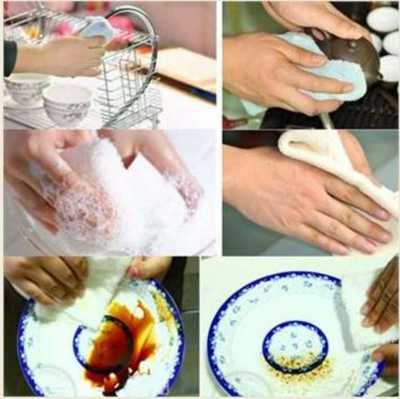
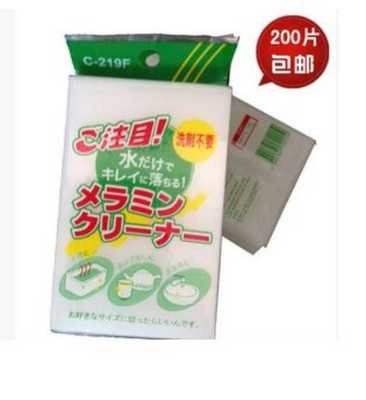
4 x Multi-Purpose Anti-Bacterial Grease Resistant Cleaning Cloth
4 x Multi-Purpose Anti-Bacterial Grease Resistant Cleaning Cloth
SKU HCA232AGC
was AU$24.00
Save 17%
AU$20.00
On Sale
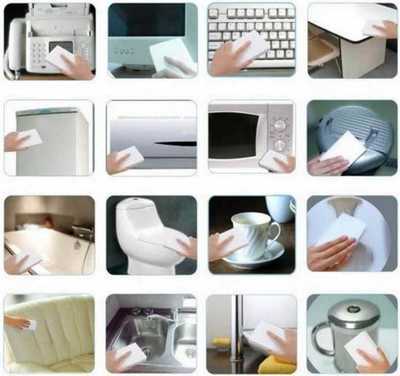
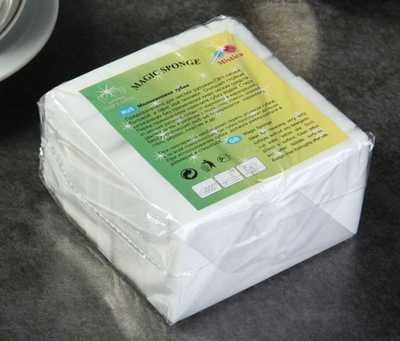
Multi-Purpose Stain Removing Cleaning Sponges for Leatherworks
Multi-Purpose Stain Removing Cleaning Sponges for Leatherworks
SKU HCA230M
was AU$24.00
Save 17%
AU$20.00
On Sale
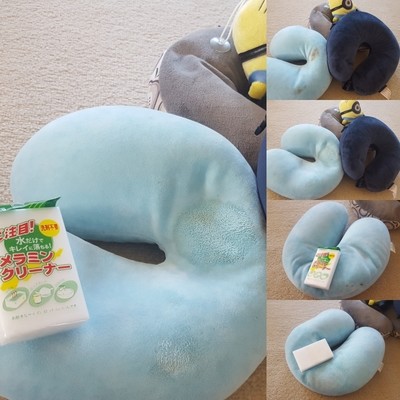
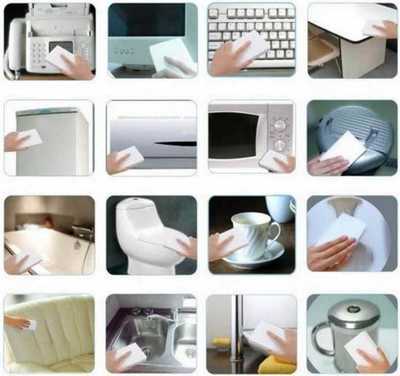
4 x Multi-Purpose Stain Removing Cleaning Sponge for Leatherworks
4 x Multi-Purpose Stain Removing Cleaning Sponge for Leatherworks
SKU HCA230J
was AU$24.00
Save 17%
AU$20.00
On Sale


Washable T-shirt Iron-on Transfers - You are my Sunshine
Washable T-shirt Iron-on Transfers - You are my Sunshine
SKU DIYTM271YMS
was AU$25.00
Save 12%
AU$22.00
On Sale


Washable T-shirt Iron-on Transfers - Floral-Bird Skull
Washable T-shirt Iron-on Transfers - Floral-Bird Skull
SKU DIYTM271SKULL-FB
was AU$30.00
Save 13%
AU$26.00
On Sale


76cm Trendy Classic Pearly Beads Reading Glasses Lanyard
76cm Trendy Classic Pearly Beads Reading Glasses Lanyard
SKU AEC117PB
was AU$28.00
Save 14%
AU$24.00
RESTOCKED


24 Pcs Chinese Herbal Plasters - Pain Relieving Heat Patches
24 Pcs Chinese Herbal Plasters - Pain Relieving Heat Patches
SKU HFW502CHP-3x8
was AU$28.00
Save 7%
AU$26.00
Out of stock
On Sale


Comfy Silicone Gel Foot Cushion for achy feet
Comfy Silicone Gel Foot Cushion for achy feet
SKU FCFF32
was AU$18.00
Save 11%
AU$16.00
Display prices in:AUD
Very impressed with service and quality. Very professional. Thank you
Shane S.
Cuckatoo VIC 3781
1.Couldn't ask for more ... free delivery! What a great seller :) 2. So fast ... free delivery! Fantastic!! Thanks :) 3. Super quick delivery! Perfect seller :)
Lucille W.
St. Peters NSW 2044
It's great, put it on and straight away the pain in my feet went right down
Tiffany G
Toormina NSW 2452
Very fast delivery, product is awesome the self heating actually works !!
Mona B.
Granville NSW 2142
