
Categories
3. 🧹 How to Clean Your Vacuum Cleaner
SKU BLOG-HK-APPL-003
AU$0.00
Have questions?
In stock
1
Save this product for later
3. 🧹 How to Clean Your Vacuum Cleaner
Product Details
✨ Your vacuum cleaner picks up the dirt — but it needs a clean of its own to keep doing the job.
Your vacuum cleaner is one of the hardest-working cleaning appliances in your home. It collects dust, crumbs, pet hair, lint and all sorts of everyday debris — but where does all that dirt go?
Inside the dust container, filters, brush roll, hose and attachments, dirt can gradually accumulate. Hair may wrap around the brush, filters can become clogged and blockages can restrict airflow.
When your vacuum cleaner is neglected, you may notice weaker suction, unusual smells, overheating or dirt being left behind.
The good news? Regular maintenance doesn't have to be complicated. A little attention to the parts that collect dust and debris can help keep your vacuum cleaner working as intended.
Let's look at how to clean different parts safely, what you should never wash and how to keep your vacuum ready for its next cleaning job.
🧹 Why Does Your Vacuum Cleaner Need Cleaning?
Although a vacuum cleaner is designed to collect dirt, it still needs regular maintenance to prevent debris from accumulating inside the machine.
Over time, you may notice:
- 🌬️ Reduced suction or weaker airflow.
- 🐾 Hair and fibres wrapped around the brush roll.
- 🌫️ Dust collecting around filters and air vents.
- 👃 Unpleasant or musty smells when vacuuming.
- 🗑️ Dust containers filling up more quickly than expected.
- ⚠️ The machine becoming unusually hot or making unfamiliar noises.
Regular cleaning helps prevent avoidable build-up and gives you an opportunity to identify blockages, damaged parts and filters that need replacing.
🔍 First, Know Which Vacuum Cleaner You Have
Vacuum cleaners come in several designs, and their cleaning requirements can differ considerably.
| Vacuum type | What needs attention |
|---|---|
| Bagless vacuum | Dust container, filters, cyclone assembly where user-cleanable, brush roll and attachments |
| Bagged vacuum | Dust bag, filters, floor head, hose and attachments |
| Cordless stick vacuum | Dust bin, washable or replaceable filters, brush roll and charging contacts |
| Robot vacuum | Dust bin, filters, brushes, wheels, sensors and charging contacts |
| Wet-and-dry vacuum | Separate clean-water and dirty-water tanks, filters, floor heads and accessories |
💡 Important: Some vacuum cleaners have washable filters and removable brush rolls, while others have components that must only be wiped or replaced. Always check the owner's manual before using water or removing parts.
🧽 What You'll Need
For most routine vacuum cleaner maintenance, gather a few simple supplies:
- 🗑️ A rubbish bin or disposable bag for dust and debris.
- 🧽 A soft, dry cleaning cloth.
- ✨ A clean microfibre cloth for exterior surfaces.
- 🪥 A small, soft brush for accessible dust and lint.
- ✂️ Scissors or a suitable hair-removal tool, if permitted by the manufacturer.
- 💧 Clean water for filters or parts specifically approved for washing.
- 🧻 A dry towel for placing cleaned components while they air-dry.
You don't need strong detergents, disinfectants or household cleaning sprays for ordinary vacuum maintenance. In fact, some manufacturers specifically instruct owners to use water only on washable filters and a damp cloth on the dust container.
🔌 Step 1: Switch Off & Prepare Your Vacuum
Before cleaning any part of your vacuum cleaner, make sure it cannot accidentally start.
- Switch off the vacuum cleaner.
- Unplug corded models from the power outlet.
- Disconnect cordless models from their charger.
- Remove the battery if the manufacturer provides a removable battery and instructs you to do so.
- Allow the machine to cool if it has been operating and feels warm.
- Move the vacuum to a suitable area where dust can be emptied without spreading it around your home.
⚠️ Safety first: Never attempt to clean the brush roll, filters, hose or internal components while the vacuum is operating or connected to power.
🗑️ Step 2: Empty the Dust Container or Replace the Bag
A full or overfilled dust container can restrict airflow and affect how effectively your vacuum collects dirt.
For bagless vacuum cleaners:
- Remove the dust container according to the manufacturer's instructions.
- Hold it over a rubbish bin and release the contents carefully.
- Remove loose hair, lint and debris around the opening.
- Check the manufacturer's instructions to see whether the container can be washed or should only be wiped.
- If washing is permitted, use the recommended method and allow the container to dry completely before refitting.
- Check that the container is securely locked into place.
Some clear plastic dust containers should only be wiped with a damp cloth. Others may have washable components. Do not immerse the entire cyclone assembly or motorised section unless your manual explicitly allows it.
For bagged vacuum cleaners:
- Check the dust-bag indicator or inspect the bag according to the manual.
- Switch off and open the dust compartment as instructed.
- Remove the disposable bag carefully.
- Seal or dispose of it according to its design.
- Fit a new compatible bag if required.
- Check that the bag is correctly positioned before closing the compartment.
Never reuse a disposable vacuum bag unless the manufacturer specifically identifies it as reusable.
💡 Handy tip: If you are sensitive to dust, consider emptying the container outdoors or inside a rubbish bag to reduce dust escaping into the air. Avoid shaking the dust container vigorously.
🌬️ Step 3: Check & Clean the Filters
Filters are among the most important parts of a vacuum cleaner. They help capture dust and fine particles rather than allowing them to pass back into the room.
However, filters gradually collect the very particles they are designed to trap. A clogged filter may restrict airflow and affect cleaning performance.
How to clean a filter:
- Locate the filter or filters using your owner's manual.
- Remove them carefully according to the instructions.
- Tap off loose dust gently over a rubbish bin, if permitted.
- Check whether the filter is washable or requires replacement.
- If washable, clean it using only the method recommended by the manufacturer.
- Allow it to dry completely before reinstalling.
⚠️ The most important filter rule: Never wash a filter simply because it looks washable. Some filters, including certain HEPA and paper filters, must not be rinsed. Washing an unsuitable filter may damage its material or reduce its ability to capture particles.
For washable filters, some manufacturers recommend water only, without detergent. Others specify different cleaning instructions.
Allow sufficient drying time. Some manufacturers specify at least 24 hours, while particular models may require longer. A filter that feels dry on the outside may still retain moisture inside.
Never put a wet filter back into the vacuum. Moisture entering electrical or motor components can cause damage.
💡 Handy tip: Keep a spare compatible filter if your model requires a long drying period. This can help avoid the temptation to reinstall a damp filter.
🪮 Step 4: Remove Hair & Fibres From the Brush Roll
The rotating brush roll, sometimes called a brush bar or roller, helps lift dirt, lint and hair from carpets and certain floor surfaces.
Unfortunately, long hair, pet fur, threads and fibres can become wrapped around it.
This is particularly common in homes with long-haired pets or people with long hair.
How to clean the brush roll:
- Switch off and disconnect the vacuum from power or its charger.
- Turn the floor head over carefully.
- Check whether the brush roll has a removable cover or release mechanism.
- Follow the manual to access or remove the brush roll, if permitted.
- Gently remove wrapped hair, threads and fibres.
- Use a suitable hair-removal tool or scissors only if the manufacturer permits it.
- Check the ends of the roller for trapped debris.
- Reassemble the brush head and secure all covers and clips.
Take care when using scissors. Avoid cutting into the bristles, roller material, belt or surrounding components.
⚠️ Not every brush roll is washable. Some rollers can be rinsed under water, while others must remain dry. Check your manual before washing or submerging any brush component.
🐾 Pet-owner tip: If your household has pets, inspect the brush roll more frequently. Pet hair can wrap around the roller quickly, particularly after vacuuming carpets and rugs.
🔍 Step 5: Check the Floor Head, Hose & Attachments
Hair and debris don't always stop at the brush roll. Blockages can also occur inside the floor head, wand, hose and accessory openings.
Check these areas carefully:
- Floor head: Look for trapped hair, threads, dust and larger debris.
- Wand or extension tube: Check both ends for visible blockages.
- Hose: Inspect accessible openings for trapped material, cracks or damage.
- Crevice tool: Remove accumulated dust and debris from the narrow opening.
- Upholstery attachment: Check for hair, lint and fibres around the nozzle.
- Other accessories: Clean according to their individual instructions.
Use a soft brush or cloth to remove accessible dirt. If an attachment is washable, check the manual and allow it to dry completely before reconnecting it.
⚠️ Do not push sharp objects, metal rods or improvised tools deep into a hose. You could puncture or damage the hose. If a blockage cannot be removed safely, consult the manufacturer's troubleshooting instructions or seek professional assistance.
🧽 Step 6: Wipe the Exterior & Charging Area
The outside of your vacuum cleaner can collect dust, fingerprints and everyday grime.
Use a soft cloth to wipe:
- The outer body and handle.
- The dust-container exterior.
- The wand and accessible tube surfaces.
- The floor-head housing.
- The outside of removable accessories.
For suitable smooth surfaces, a lightly dampened microfibre cloth can help remove fingerprints and dust. Follow the manufacturer's instructions and dry the surface afterwards.
For cordless models, check the charging contacts and dock for dust or debris. Clean them only as directed by the manufacturer, usually with a dry, soft cloth.
⚠️ Never spray water or cleaning products directly onto the vacuum, battery, motor housing, electrical contacts or charging dock.
🤖 Step 7: Don't Forget Robot Vacuum Cleaners
Robot vacuums also need regular maintenance, even though they clean your floors automatically.
Depending on the model, check:
- 🗑️ The dust container and filter.
- 🪮 The main brush and side brushes.
- 🛞 Wheels and accessible wheel housings.
- 🔍 Sensors and camera lenses
Research references
The cleaning instructions were checked against manufacturer guidance:
- Dyson Australia — How to clean your Dyson vacuum: dust containers, filters, brush bars and attachments.
- Shark Australia — Product care and maintenance: brush-roll cleaning and blockage checks.
- Shark Australia — Filter and dust-cup cleaning: washable filter care and drying.
- Shark Australia — Cordless vacuum maintenance: filter cleaning, brush-roll access and drying requirements.
You May Also Like
On Sale

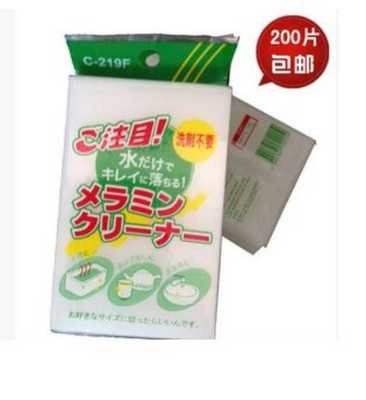
4 x Multi-Purpose Anti-Bacterial Grease Resistant Cleaning Cloth
4 x Multi-Purpose Anti-Bacterial Grease Resistant Cleaning Cloth
SKU HCA232AGC
was AU$24.00
Save 17%
AU$20.00
On Sale
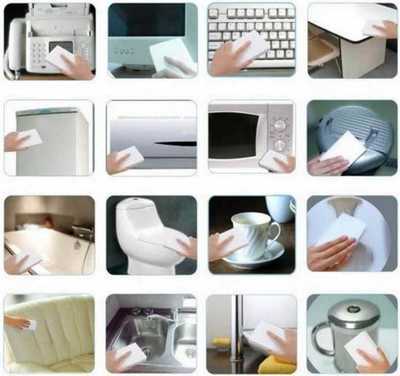
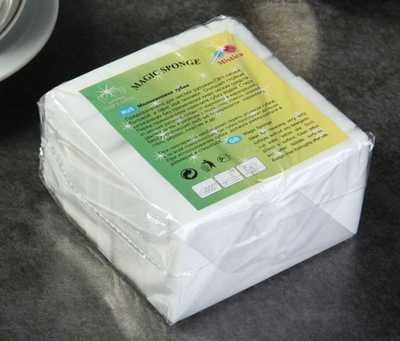
Multi-Purpose Stain Removing Cleaning Sponges for Leatherworks
Multi-Purpose Stain Removing Cleaning Sponges for Leatherworks
SKU HCA230M
was AU$24.00
Save 17%
AU$20.00
On Sale
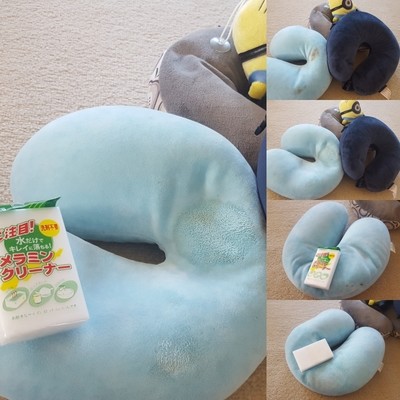
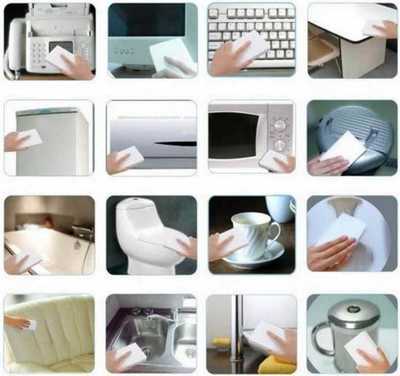
4 x Multi-Purpose Stain Removing Cleaning Sponge for Leatherworks
4 x Multi-Purpose Stain Removing Cleaning Sponge for Leatherworks
SKU HCA230J
was AU$24.00
Save 17%
AU$20.00
On Sale
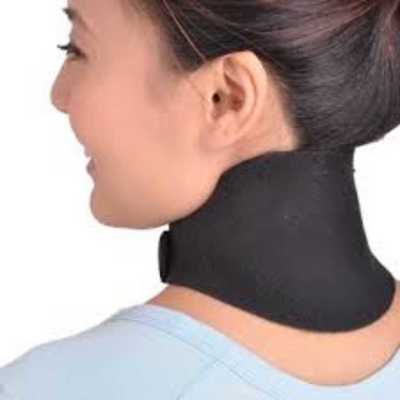
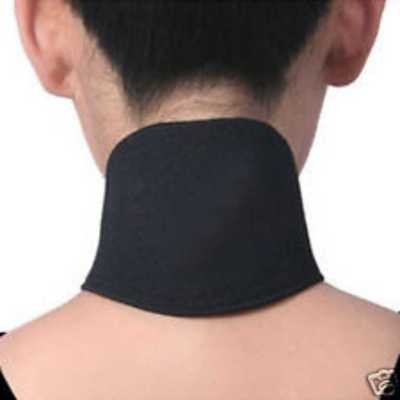
Magnetic Therapy Self Heating Neck Pad
Magnetic Therapy Self Heating Neck Pad
SKU BCMTC168N
was AU$24.00
Save 17%
AU$20.00
On Sale


Velvety Kalanchoe Tomentosa 'Panda Plant'
Velvety Kalanchoe Tomentosa 'Panda Plant'
SKU PL-KCHOE-PANDA
was AU$8.00
Save 25%
AU$6.00
RESTOCKED


Drought Tolerant Air-Cleaning Tradescantia Zebrina 'Burgundy'
Drought Tolerant Air-Cleaning Tradescantia Zebrina 'Burgundy'
SKU PL-TDCT-ZEB-BURGUNDY
was AU$8.00
Save 25%
AU$6.00
NEW

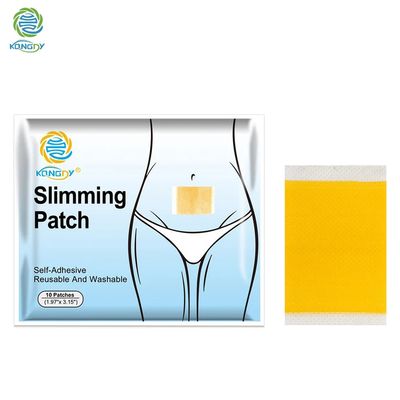
Fat Burning Slimming Patches - 3 Packs - 30 Days' Supply
Fat Burning Slimming Patches - 3 Packs - 30 Days' Supply
SKU HFW513KDY-SLIM-3x10
was AU$36.00
Save 11%
AU$32.00
On Sale


67cm Cream / Black Oval Shell Beads Reading Glasses Lanyard-Chain
67cm Cream / Black Oval Shell Beads Reading Glasses Lanyard-Chain
SKU AEC117OSB
was AU$24.00
Save 17%
AU$20.00
Display prices in:AUD
Very impressed with service and quality. Very professional. Thank you
Shane S.
Cuckatoo VIC 3781
1.Couldn't ask for more ... free delivery! What a great seller :) 2. So fast ... free delivery! Fantastic!! Thanks :) 3. Super quick delivery! Perfect seller :)
Lucille W.
St. Peters NSW 2044
It's great, put it on and straight away the pain in my feet went right down
Tiffany G
Toormina NSW 2452
Very fast delivery, product is awesome the self heating actually works !!
Mona B.
Granville NSW 2142
