
Categories
2. 🧺 How to Clean Your Washing Machine
SKU BLOG-HK-APPL-002
AU$0.00
Have questions?
In stock
1
Save this product for later
2. 🧺 How to Clean Your Washing Machine
Product Details
✨ Your washing machine cleans your clothes — but who cleans the washing machine?
Your washing machine handles everything from everyday clothing and towels to muddy sportswear and bedding. But while it works hard to keep your laundry fresh, detergent residue, lint, moisture and dirt can gradually build up inside the appliance.
Over time, this build-up can contribute to musty smells, mould around rubber seals, dirty detergent drawers and residue appearing on freshly washed clothes.
The good news? A little regular care can make a big difference. Cleaning the drum, detergent drawer, door seal and accessible filters helps keep your machine fresher and gives you an opportunity to spot potential problems early.
Whether you have a front-loading or top-loading washing machine, let's look at what needs cleaning, how to do it safely and which everyday habits help prevent unpleasant odours.
🧺 Why Does a Washing Machine Need Cleaning?
It might seem strange to clean an appliance designed to wash things, but detergent and water do not automatically remove every trace of dirt from the machine itself.
Over time, a combination of moisture, detergent, fabric softener, lint, hair and body oils can collect in areas that are not reached properly during an ordinary wash.
This can contribute to:
- 👃 Musty or unpleasant smells inside the drum.
- 🦠 Mould and mildew around rubber door seals and damp areas.
- 🫧 Waxy detergent and fabric-softener residue, sometimes called scrud.
- 👕 White marks or residue appearing on freshly washed clothes.
- 🧺 Lint, hair and debris accumulating in filters.
- 💧 Poor drainage if the drain-pump filter becomes blocked.
A washing machine does not need an elaborate cleaning routine. The important thing is to pay attention to the areas where moisture and residue tend to collect.
🔍 First, Know Which Washing Machine You Have
Front-loaders and top-loaders have different designs, so some cleaning steps are not interchangeable.
| Feature | Front loader | Top loader |
|---|---|---|
| Door or lid | Front-facing door | Top lid |
| Rubber door seal | Usually has a rubber gasket around the opening | Usually does not have the same front-door gasket |
| Detergent drawer | Usually a removable drawer | May have a dispenser or separate compartments |
| Lint filter | Not usually the same type as a top-loader lint filter | Many models have an accessible lint filter |
| Drain-pump filter | Some models have an accessible filter, often behind a lower panel | Design and access vary by model |
💡 Important: Not every washing machine has the same filters, removable parts or cleaning programmes. Check your owner's manual before removing a filter, opening an access panel or attempting maintenance.
🧽 What You'll Need
For most routine cleaning jobs, you only need a few basic supplies:
- 🪣 Warm water.
- 🫧 Mild dishwashing liquid, where suitable for the part being cleaned.
- 🧽 A soft cleaning cloth or non-abrasive sponge.
- 🪥 A small soft brush or old toothbrush for accessible corners.
- ✨ A clean, dry microfibre cloth.
- 🧻 An old towel and shallow container for possible water spills when cleaning an accessible pump filter.
For the internal drum-cleaning cycle, use the cleaning programme and product recommended by your washing machine manufacturer.
A dedicated washing machine cleaner may be appropriate for some models, but it is not automatically necessary for every machine. Follow the manual rather than combining different cleaning products or experimenting with strong homemade mixtures.
🚪 Step 1: Clean the Door, Lid & Rubber Seal
The door and its surrounding area are among the easiest places to spot dirt and moisture.
For front loaders:
- Open the door and inspect the rubber gasket around the opening.
- Gently pull back accessible folds to check for trapped lint, hair, coins or other small objects.
- Wipe the seal with a soft cloth dampened with warm water and mild detergent.
- Pay attention to the lower folds, where moisture and residue can collect.
- Wipe away detergent residue using a clean damp cloth.
- Dry the rubber seal thoroughly with a clean cloth.
Do not pull, stretch or scrub the rubber aggressively. Avoid sharp objects and harsh cleaning products that may damage the seal.
For top loaders:
Wipe the lid, edges, underside and accessible areas around the opening with a soft damp cloth. Pay attention to corners where detergent splashes and moisture may collect.
🔍 Check for damage: Look for cracks, tears, hardened rubber or signs that the door seal is no longer sitting correctly. Persistent mould or deterioration may require professional assessment or replacement rather than more scrubbing.
🧴 Step 2: Clean the Detergent & Fabric-Softener Drawer
Detergent drawers can collect sticky liquid detergent, powder residue, fabric softener and moisture. If left unattended, this build-up can become discoloured or develop mould.
- Remove the drawer according to the manufacturer's instructions.
- Separate any removable compartments or inserts if the design allows.
- Rinse the parts with warm water.
- Use a soft brush to loosen residue from corners and narrow sections.
- Wipe the accessible drawer housing carefully with a damp cloth.
- Rinse away remaining detergent residue and allow the parts to dry before reinstalling.
💡 Handy tip: Check the underside of the drawer and the compartment where it slides into the machine. Residue can collect there even when the visible front looks clean.
Never force the drawer out. Some models have a release tab or a particular removal method.
🧺 Step 3: Clean the Washing Machine Drum
The drum may look clean after every load, but detergent residue, fabric-softener deposits and other build-up can accumulate over time.
Many modern washing machines include a dedicated cleaning programme called something like:
- Drum Clean
- Tub Clean
- Machine Clean
- Self Clean
The name and operation vary by manufacturer.
How to run a maintenance clean:
- Make sure the drum is completely empty.
- Check the owner's manual for the recommended cleaning programme.
- Add only the cleaning product specified by the manufacturer, using the correct compartment and quantity.
- Run the cleaning programme as instructed.
- When the cycle finishes, wipe away any remaining moisture or loosened residue if required.
- Leave the door or lid open to allow the drum to dry.
If your machine does not have a dedicated cleaning programme, check the manual for an approved alternative. Some manufacturers recommend an empty hot cycle, while others specify a particular cleaning product.
⚠️ Do not assume that vinegar, bicarbonate soda, bleach or dishwasher tablets are suitable for every washing machine. Some cleaning substances can damage seals, hoses or internal components. Use only products and methods approved for your model.
🪣 Step 4: Check & Clean the Filters
Filters help catch lint, hair and debris, but their design and location differ between washing machines.
For front loaders:
Some front-loading machines have an accessible drain-pump filter, often located behind a small panel near the bottom front of the appliance.
This filter may collect coins, buttons, hair, lint and other small objects that have entered the drainage system.
- Check the manual to confirm whether your model has a user-accessible drain-pump filter.
- Switch off and disconnect the appliance from power as instructed by the manufacturer.
- Prepare an old towel and a shallow container to catch water.
- Open the access panel using the method described in the manual.
- If the model has an emergency drain hose, use it as instructed before removing the filter.
- Loosen the filter slowly and allow any remaining water to drain into the container.
- Remove accessible lint and debris, then clean the filter as directed.
- Reinstall it securely and close the access panel.
⚠️ Important: Never remove a filter while the machine is operating. Water may spill out, so prepare for drainage before opening it. If the filter is difficult to remove, do not force it.
For top loaders:
Many top-loading machines have a lint filter or lint-catching device inside the drum or around the agitator.
- Locate the filter using your owner's manual.
- Remove it according to the instructions.
- Clear away trapped lint and fibres.
- Rinse or brush it gently if the manufacturer permits.
- Allow it to dry if required and reinstall it securely.
Some machines have self-cleaning or different filter arrangements, so don't assume every top-loader has a removable lint filter.
💧 Step 5: Check the Water Inlet & Hoses
The water inlet allows fresh water to enter the machine, while the drain hose carries used water away.
Over time, inlet filters may collect sediment, and hoses can deteriorate or develop leaks.
As part of routine care:
- Look for visible kinks or damage along accessible hoses.
- Check around hose connections for signs of leakage.
- Keep the area behind the machine reasonably clean and dry.
- Follow the manual for inspecting or cleaning inlet filters.
Some inlet-filter cleaning procedures require turning off the water supply and disconnecting a hose. If you are unsure how to do this safely, arrange suitable professional assistance.
⚠️ Never pull or move a heavy washing machine by its hoses or power cord. If you notice leaking, cracked hoses or damaged connections, address the problem before using the appliance again.
✨ Step 6: Wipe the Exterior
The outside of the washing machine also collects dust, detergent splashes and fingerprints.
- Use a soft cloth dampened with water or a suitable mild cleaning solution.
- Wipe the control panel, lid or door and exterior surfaces gently.
- Use a clean, damp cloth to remove any cleaning residue.
- Dry with a soft cloth.
Avoid spraying liquid directly onto buttons, displays, electrical controls or openings. Do not allow water to enter the control panel or other electrical areas.
For stainless-steel or specially coated finishes, follow the manufacturer's cleaning instructions.
🌬️ Step 7: Prevent Mould, Mildew & Musty Smells
One of the simplest ways to keep a washing machine fresher is to let it dry between loads.
Moisture trapped inside the drum, door seal and detergent drawer can contribute to musty odours and mould growth.
Try these habits after each wash:
- 👕 Remove wet laundry promptly.
- 🚪 Leave the door or lid slightly open when safe to do so.
- 🧴 Leave the detergent drawer slightly open if your model allows it.
- 🧽 Wipe moisture from the front-loader door seal.
- 🌬️ Allow air to circulate around the appliance.
- 🫧 Use the recommended amount of detergent rather than adding extra.
Do not leave the door open if it creates a safety risk for children or pets. Follow the manufacturer's guidance for ventilation and storage.
💡 Why use less detergent when appropriate? More detergent does not necessarily mean cleaner clothes. Excess detergent can leave residue behind, particularly when the machine is overloaded or the wash conditions are unsuitable.
🔍 Why Does My Washing Machine Still Smell?
If an unpleasant smell remains after cleaning, it may help to identify where it is coming from rather than repeatedly running cleaning cycles.
| What you notice | Possible cause | What to check |
|---|---|---|
| Musty smell around the door | Moisture or residue in the rubber seal | Clean and dry accessible folds |
| Smell from detergent drawer | Old detergent, softener or mould build-up | Remove and clean the drawer |
| Unpleasant smell from the drum | Residue or moisture inside the machine | Check the drum-cleaning instructions |
| Standing water or bad smell near the filter | Trapped debris or drainage problem | Check the accessible filter and manual |
| Clothes still smell after washing | Machine residue, overloaded drum or laundry left damp | Review cleaning, loading and laundry habits |
| Smell persists after maintenance | Possible drainage, plumbing or appliance fault | Seek professional assessment |
If the smell persists, investigate the cause. Repeatedly adding stronger chemicals may damage the machine without solving the underlying problem.
⚠️ Washing Machine Cleaning Don'ts
Some popular cleaning hacks can do more harm than good.
- ❌ Do not mix bleach with vinegar, acids or other cleaning products.
- ❌ Do not use dishwasher tablets as a substitute for washing machine cleaner.
- ❌ Do not assume vinegar or bicarbonate soda is safe for every model.
- ❌ Do not pour excessive detergent or cleaning products into the drum.
- ❌ Do not scrub rubber seals with steel wool or abrasive scourers.
- ❌ Do not force the detergent drawer, filter or removable components.
- ❌ Do not remove a pump filter without preparing for water drainage.
- ❌ Do not spray water or cleaner directly onto electrical controls.
- ❌ Do not run a cleaning cycle with laundry inside unless the programme specifically requires it.
- ❌ Do not ignore leaking hoses, unusual noises or persistent drainage problems.
Remember: cleaning products designed for one appliance are not automatically suitable for another.
📅 How Often Should You Clean Your Washing Machine?
The best cleaning schedule depends on the machine, how often it is used, the type of laundry and the manufacturer's recommendations.
This general routine is a useful starting point:
| When | What to do |
|---|---|
| After each wash | Remove laundry promptly, wipe accessible moisture and leave the door or lid open to dry. |
| Regularly | Check the seal, detergent drawer and accessible lint filter. |
| Monthly, if recommended | Run the manufacturer's drum-cleaning or maintenance programme. |
| As needed | Clean the detergent drawer and address visible residue or odours. |
| At the manufacturer's recommended interval | Inspect accessible filters, hoses and other maintenance components. |
Heavy use, frequent cold washes, excess detergent and humid laundry areas may mean certain parts need attention more often.
🧺 Your Washing Machine Freshness Checklist
- 🚪 Door, lid and accessible seals wiped clean.
- 🧴 Detergent drawer rinsed and dried.
- 🫧 Drum-cleaning programme run as recommended.
- 🪣 Accessible filters checked and cleaned according to the manual.
- 💧 Hoses and visible connections checked for damage or leaks.
- ✨ Exterior wiped and dried.
- 🌬️ Door or lid left open safely to allow ventilation.
- 👕 Wet laundry removed promptly after each cycle.
✨ The Evercare Cleaning Touch
A soft, clean cloth is useful for wiping the exterior, accessible surfaces and moisture around the door area.
Our 4 x Multi-Purpose Anti-Bacterial Grease-Resistant Cleaning Cloth can be a handy addition to your everyday household cleaning supplies.
For a final wipe on suitable smooth exterior surfaces, our 3-in-1 Microfibre Lens, Screen, Glass & Jewellery Cleaning Cloth is another useful option.
Always follow the washing machine manufacturer's instructions and the cloth's care guidance. Keep cleaning cloths separate from laundry and food-preparation cloths, and wash them appropriately after use.
🌟 A Little Maintenance Makes a Fresher Wash
Your washing machine may be designed to clean clothes, but it still needs occasional attention of its own.
Keep the detergent drawer clean, remove lint and debris from accessible filters, wipe moisture from seals and allow the drum to dry between washes. These small habits can help prevent residue and unpleasant smells from taking hold.
Most importantly, use the cleaning programme and products recommended for your particular model. A stronger cleaning solution is not necessarily a better one.
✨ Give your washing machine a little care — and let it get back to doing what it does best!
📚 More Household Appliances & Care Tips
Explore more practical guides in our 🔌 Household Appliances & Care series, with helpful advice for cleaning and looking after the appliances we use every day.
- 🧊 How to Clean Your Fridge & Freezer
- 🧹 How to Clean Your Vacuum Cleaner
You can also explore our 🧽 Cleaning & Home Care guides for more practical cleaning methods, surface-care advice and everyday household tips.
More useful appliance-care guides are on the way!
You May Also Like
On Sale
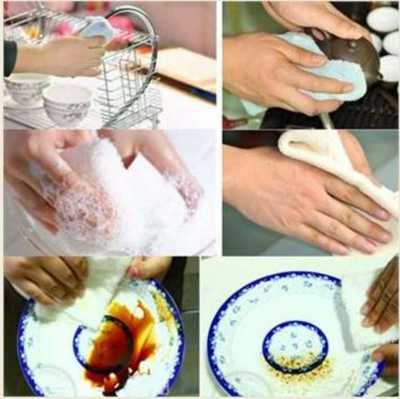
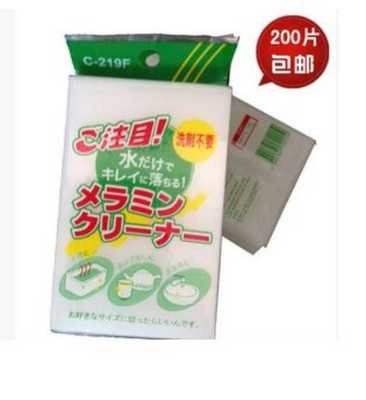
4 x Multi-Purpose Anti-Bacterial Grease Resistant Cleaning Cloth
4 x Multi-Purpose Anti-Bacterial Grease Resistant Cleaning Cloth
SKU HCA232AGC
was AU$24.00
Save 17%
AU$20.00
On Sale
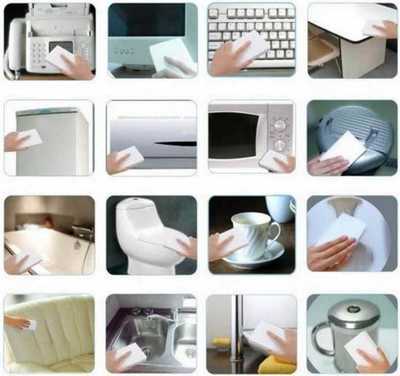
Multi-Purpose Stain Removing Cleaning Sponges for Leatherworks
Multi-Purpose Stain Removing Cleaning Sponges for Leatherworks
SKU HCA230M
was AU$24.00
Save 17%
AU$20.00
On Sale
4 x Multi-Purpose Stain Removing Cleaning Sponge for Leatherworks
4 x Multi-Purpose Stain Removing Cleaning Sponge for Leatherworks
SKU HCA230J
was AU$24.00
Save 17%
AU$20.00
On Sale


Soft Silicon Gel Orthopaedic Metatarsal 3 Ring Toe Separator
Soft Silicon Gel Orthopaedic Metatarsal 3 Ring Toe Separator
SKU FCBT165
was AU$20.00
Save 15%
AU$17.00
On Sale


Set of 3 pairs - Tall Boots Clip-Shaper-Support
Set of 3 pairs - Tall Boots Clip-Shaper-Support
SKU FCSC103
was AU$24.00
Save 25%
AU$18.00
On Sale
30 Reusable 3 Angle 90º Plant Bender Clips + Gift
30 Reusable 3 Angle 90º Plant Bender Clips + Gift
SKU ATL173BCLIP-M
was AU$24.00
Save 17%
AU$20.00
On Sale


Washable T-shirt Iron-on Transfers - Lovely Mommy-Baby Rabbit
Washable T-shirt Iron-on Transfers - Lovely Mommy-Baby Rabbit
SKU DIYTM271LMBR
was AU$25.00
Save 12%
AU$22.00
On Sale


2 Packs x Thinsulate Men's Underwear - Soft Stretch to fit 100% Cotton
2 Packs x Thinsulate Men's Underwear - Soft Stretch to fit 100% Cotton
SKU MUW118T-3XL
was AU$36.00
Save 17%
AU$30.00
Display prices in:AUD
Very impressed with service and quality. Very professional. Thank you
Shane S.
Cuckatoo VIC 3781
1.Couldn't ask for more ... free delivery! What a great seller :) 2. So fast ... free delivery! Fantastic!! Thanks :) 3. Super quick delivery! Perfect seller :)
Lucille W.
St. Peters NSW 2044
It's great, put it on and straight away the pain in my feet went right down
Tiffany G
Toormina NSW 2452
Very fast delivery, product is awesome the self heating actually works !!

Mona B.
Granville NSW 2142
