
Categories
1. 🧪 Bicarbonate Soda & Vinegar
SKU BLOG-HK-CLEAN-001
AU$0.00
Have questions?
In stock
1
Save this product for later
1. 🧪 Bicarbonate Soda & Vinegar
Product Details
🧪 Bicarbonate Soda & Vinegar: What Works & What Doesn't
✨ The fizz is fun — but is it actually cleaning?
Two of the most popular ingredients in homemade cleaning recipes are probably already sitting in your kitchen cupboard: bicarbonate soda and white vinegar.
They're inexpensive, versatile and genuinely useful for many household cleaning jobs. But there's one common misconception worth clearing up:
Mixing bicarbonate soda and vinegar does not automatically create a stronger or better cleaner.
In fact, the dramatic fizz you see is mainly the result of a chemical reaction between an acid (vinegar) and an alkaline substance (bicarbonate soda). The bubbling can be useful in some situations, but for ordinary surface cleaning, you're often better off choosing the ingredient that suits the particular type of dirt you're trying to remove.
💡 The simple idea to remember
Don't choose a cleaning recipe because it fizzes. Choose the ingredient that matches the mess.
Think of bicarbonate soda and vinegar as two different tools rather than two ingredients that always need to be used together.
🧪 What does bicarbonate soda actually do?
Bicarbonate soda, also known as baking soda, is a mild alkaline powder.
When mixed with a little water, it forms a slightly gritty paste that can help loosen and lift grime through gentle abrasion. It can also help absorb odours.
It can be particularly useful for:
- 🧽 Gentle scrubbing
- 👃 Absorbing unwanted odours
- 🍳 Loosening some greasy or baked-on residue
- 🫧 Freshening certain household surfaces
- 🧼 Helping remove surface grime when used as a paste
Tip: Bicarbonate soda is an abrasive powder, even though it is relatively mild. Use gentle pressure and avoid assuming that every surface can tolerate it.
🍶 What does white vinegar actually do?
White vinegar is acidic, which makes it useful for dealing with certain mineral deposits and water marks.
It can be useful for:
- 💧 Water marks and some mineral deposits
- 🚿 Certain bathroom residues
- 🪟 Glass and windows when appropriately diluted
- 🚰 Some tap and sink deposits
- ✨ Helping remove certain dulling residues
A simple diluted vinegar-and-water solution is commonly used for glass. CHOICE, for example, recommends a 50/50 vinegar-and-water mixture for windows and glass, used with a microfibre cloth.
🫧 So what happens when you mix them?
When vinegar and bicarbonate soda meet, the acid and alkaline powder react, producing carbon dioxide gas. That's the familiar fizzing and bubbling you see.
It certainly looks as though something powerful is happening — and chemically, it is — but more fizz does not mean more cleaning power.
The reaction largely neutralises the two ingredients. For many everyday cleaning jobs, using them separately allows you to make better use of their individual properties.
CHOICE notes that the reaction can have a practical use for some jobs, such as helping with certain blockages, but says the mixture is generally not very useful for ordinary surface cleaning.
🧠 When should I use them separately?
This is the easiest rule of thumb:
| Cleaning problem | Try first |
|---|---|
| 🧈 Grease | Dishwashing liquid or a suitable degreaser |
| 💧 Water/mineral marks | Diluted white vinegar, where the surface allows |
| 👃 Odours | Bicarbonate soda |
| 🧽 Gentle scrubbing | Bicarbonate soda paste |
| 🪟 Glass | Diluted vinegar + microfibre cloth |
| ✨ Final polishing | Clean, dry microfibre cloth |
| 🫧 Soap scum | Suitable bathroom cleaner or targeted treatment |
🧽 Easy bicarbonate soda paste
For suitable hard, non-delicate surfaces:
- 2–3 tablespoons bicarbonate soda
- Add a small amount of water
- Mix until you have a spreadable paste
Apply a small amount, gently work the surface with a suitable cloth or sponge, then wipe away the residue with a clean damp cloth.
This can be useful for areas such as suitable kitchen surfaces, sinks and some stubborn grime.
Remember: Always consider the material first. A product that is safe for stainless steel may not be appropriate for polished stone, delicate finishes or glossy surfaces.
💧 Simple vinegar & water solution
For suitable glass and other acid-safe surfaces:
- 1 part white vinegar
- 1 part water
Apply to the cloth rather than flooding the surface where appropriate. Wipe clean and finish with a dry microfibre cloth.
The final dry buff is important. It can remove remaining moisture, fingerprints and streaks and leave the surface looking much clearer.
✨ The secret isn't always the cleaner — it's the final buff
One of the easiest cleaning tricks to overlook is the final wipe.
After cleaning:
① CLEAN → ② WIPE/RINSE → ③ DRY → ④ BUFF
A clean, dry microfibre cloth can make a noticeable difference to glass, mirrors, stainless steel and other suitable smooth surfaces.
Instead of continually adding more cleaner to a streaky surface, sometimes what you really need is less product and a clean, dry cloth.
🚫 Important: Vinegar isn't suitable for everything
Because vinegar is acidic, don't assume it is a universal household cleaner.
Take particular care with:
- 🪨 Natural stone such as marble and some limestone surfaces
- ✨ Certain polished or delicate finishes
- 🏺 Surfaces where the manufacturer specifically advises against acidic cleaners
- 🔌 Appliances where the manufacturer's instructions prohibit vinegar or other cleaners
When in doubt, check the manufacturer's cleaning instructions and test an unfamiliar solution on an inconspicuous area first.
⚠️ Cleaning combinations to avoid
Homemade cleaning does not mean mixing whatever happens to be in the cupboard.
Never mix bleach with vinegar or other acidic cleaners. Dangerous chlorine-containing gases can be produced.
Also avoid mixing different commercial cleaning products unless the manufacturer specifically says they can be combined.
Keep cleaning products clearly labelled and stored safely away from children and pets. CHOICE also recommends keeping surface-cleaning products out of reach of children and switching spray triggers to the off position when not in use.
🧪 When can bicarbonate soda + vinegar be useful?
There are situations where the reaction itself can have a practical purpose.
For example, the bubbling reaction is sometimes used when dealing with certain drain or blockage problems. CHOICE describes bicarbonate soda and vinegar as one possible approach for some blockages, while also recommending other steps if the blockage doesn't clear.
So the lesson isn't:
❌ “Never mix bicarbonate soda and vinegar.”
It's:
✅ “Don't mix them simply because you've heard that fizz means a stronger cleaner.”
🧼 Homemade doesn't always mean better
DIY cleaning recipes can be inexpensive and useful, but they're not automatically better than a purpose-made product.
Some types of dirt — particularly stubborn soap scum, heavy grease or difficult stains — may respond better to a properly formulated cleaner.
CHOICE's testing has found that homemade recipes can perform quite differently depending on the cleaning task, so it's worth choosing the method according to the surface and the type of dirt rather than assuming one recipe will do everything.
🧽 The right tool matters too
Once you've chosen the right cleaning solution, don't underestimate the cloth or sponge you're using.
🧽 Everyday wiping: A good multi-purpose cleaning cloth can help lift grease, dirt and everyday grime.
🧽 Stubborn marks: A suitable stain-removing sponge can provide additional cleaning action, but use light pressure and always check that the surface can tolerate it.
✨ Final shine: A soft microfibre cloth is ideal for the finishing stage on suitable smooth surfaces such as glass, screens and polished appliances.
For example, Evercare Australia's cleaning range includes:
- 🧽 Multi-Purpose Anti-Bacterial Grease Resistant Cleaning Cloth — useful for everyday household cleaning jobs.
- 🧽 Multi-Purpose Stain Removing Cleaning Sponge — for suitable stubborn marks and hard surfaces. Always follow the product directions and test first where appropriate.
- ✨ Microfiber Lens-Screen-Glass-Jewellery Cleaning Chamois — useful for glass, screens, jewellery and finishing off smooth surfaces.
💡 The aim isn't to use the strongest cleaner you can find. It's to use the right combination of cleaner, technique and cleaning tool for the job.
📌 Quick Cleaning Cheat Sheet
| Problem | What to think about |
|---|---|
| 🧈 Greasy surface | Use a grease-cutting cleaner such as dishwashing liquid |
| 💧 White water marks | Think mineral deposits; try diluted vinegar only on suitable surfaces |
| 👃 Unpleasant odour | Try bicarbonate soda where appropriate |
| 🧽 Stubborn grime | Try a suitable paste or cleaning sponge with gentle pressure |
| 🪟 Glass streaks | Use an appropriate glass solution, then dry and buff with microfibre |
| ✨ Fingerprints | Microfibre + light cleaning solution, followed by a dry buff |
| 🫧 Soap scum | Use a suitable bathroom cleaner; DIY solutions may not always be enough |
| 🧪 Bicarb + vinegar | Fizzing does not automatically mean better cleaning |
| ⚠️ Unknown surface | Check manufacturer instructions and test a small hidden area first |
🌿 A simpler way to think about homemade cleaning
You don't need a cupboard full of complicated recipes.
Start by asking three simple questions:
1️⃣ What am I trying to remove?
Grease? Mineral deposits? Odour? Dirt? Soap scum?
2️⃣ What surface am I cleaning?
Glass? Stainless steel? Stone? Chrome? Painted or coated?
3️⃣ What is the gentlest method that should do the job?
That approach can save money, reduce unnecessary product use and — most importantly — help prevent accidentally damaging the surface you're trying to clean.
💡 More Handy Cleaning Tips
This is the first guide in Evercare Australia's 🧽 Cleaning & Home Care series.
Look out for more practical guides covering:
- 🚿 Shower screen cleaning
- ✨ Making your kitchen sink shine again
- 🧼 Bathroom grout
- ✨ Streak-free stainless steel
- 🚰 Cleaning chrome without scratching
- 🔥 Glass cooktop cleaning and shine
- 🍽️ Dishwasher cleaning and stain removal
- 🪞 Streak-free glass and mirrors
- 💧 Removing water marks and mineral deposits
- ⚠️ Common cleaning mistakes and what not to mix
✨ Clean smarter. Keep it simple. Make everyday cleaning easier.
Evercare Australia Handy Know-How: Homemade cleaning solutions are general information only. Always check the care instructions supplied by the manufacturer of the surface, appliance or item you are cleaning. Patch-test unfamiliar cleaning methods in an inconspicuous area first, use appropriate ventilation and never mix cleaning chemicals unless the manufacturer specifically confirms that they are safe to combine.
You May Also Like
On Sale
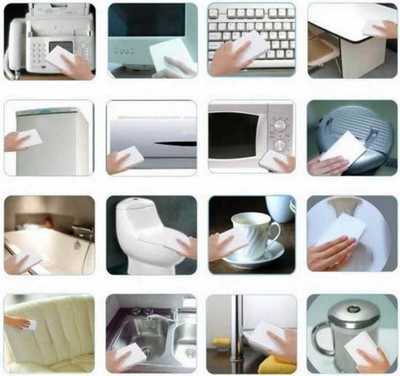
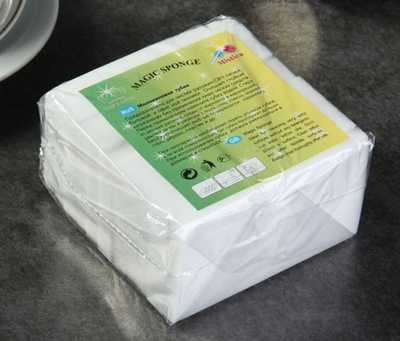
Multi-Purpose Stain Removing Cleaning Sponges for Leatherworks
Multi-Purpose Stain Removing Cleaning Sponges for Leatherworks
SKU HCA230M
was AU$24.00
Save 17%
AU$20.00
On Sale
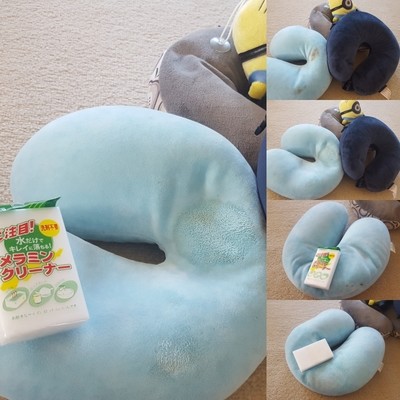
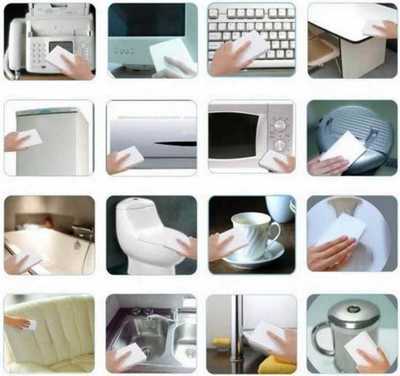
4 x Multi-Purpose Stain Removing Cleaning Sponge for Leatherworks
4 x Multi-Purpose Stain Removing Cleaning Sponge for Leatherworks
SKU HCA230J
was AU$24.00
Save 17%
AU$20.00
On Sale
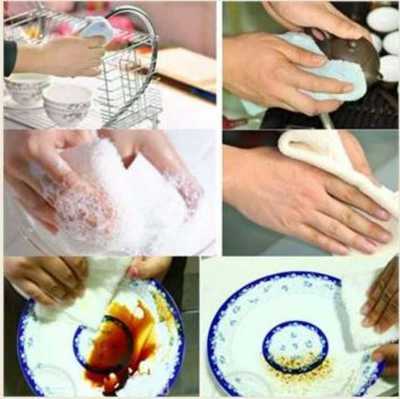
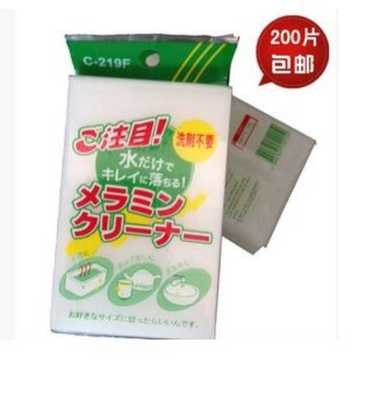
4 x Multi-Purpose Anti-Bacterial Grease Resistant Cleaning Cloth
4 x Multi-Purpose Anti-Bacterial Grease Resistant Cleaning Cloth
SKU HCA232AGC
was AU$24.00
Save 17%
AU$20.00
On Sale
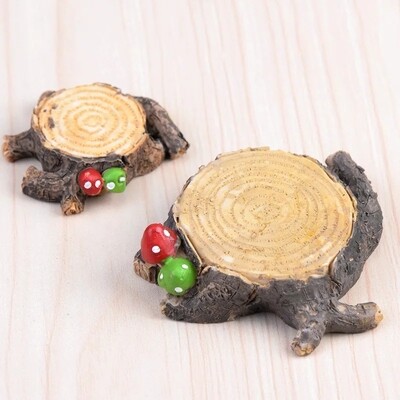
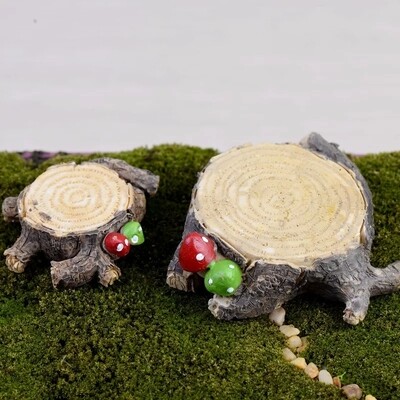
2 Miniature Tree Stumps Fairy Garden-Terrarium Decor Ornaments
2 Miniature Tree Stumps Fairy Garden-Terrarium Decor Ornaments
SKU ADC202STUMPS
was AU$20.00
Save 25%
AU$15.00
On Sale
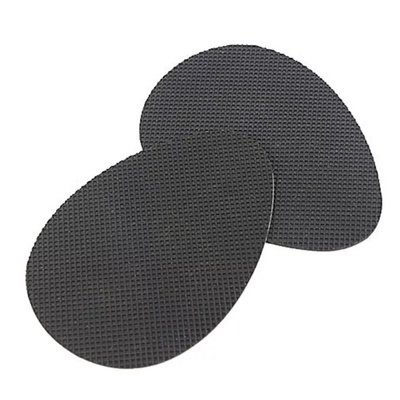
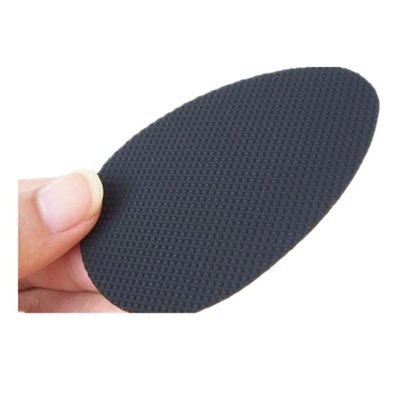
DIY Value Pack 2 Pairs Anti-Slip Under Shoe Sole Stickers
DIY Value Pack 2 Pairs Anti-Slip Under Shoe Sole Stickers
SKU FCSC19G2
was AU$16.00
Save 13%
AU$14.00
On Sale


4 Little Buddhist Monk Miniature Figurines Pot Decor Ornaments
4 Little Buddhist Monk Miniature Figurines Pot Decor Ornaments
SKU ADC205MONKS
was AU$20.00
Save 10%
AU$18.00
Display prices in:AUD
Very impressed with service and quality. Very professional. Thank you
Shane S.
Cuckatoo VIC 3781
1.Couldn't ask for more ... free delivery! What a great seller :) 2. So fast ... free delivery! Fantastic!! Thanks :) 3. Super quick delivery! Perfect seller :)
Lucille W.
St. Peters NSW 2044
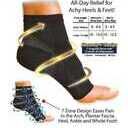
It's great, put it on and straight away the pain in my feet went right down
Tiffany G
Toormina NSW 2452
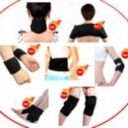
Very fast delivery, product is awesome the self heating actually works !!
Mona B.
Granville NSW 2142
