
Categories
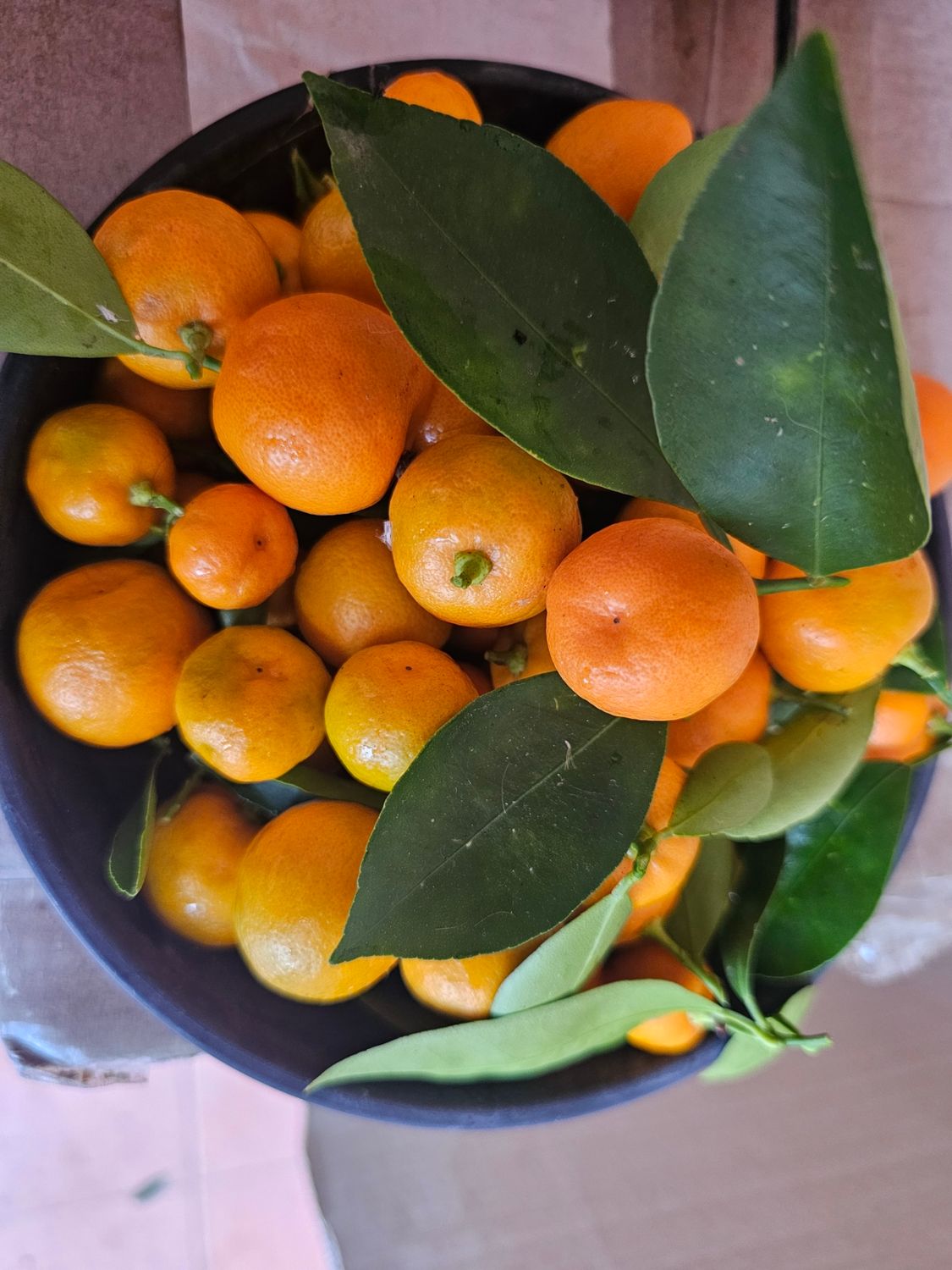
🍊 Limau Kasturi: More Than Just a Little Lime
SKU BLOG-GPP-CALAMANSI
AU$0.00
In stock
1
Save this product for later
Have questions?
🍊 Limau Kasturi: More Than Just a Little Lime
Product Details
✨ “Tiny Fruit, Big Flavour, Endless Uses” ✨
If you know limau kasturi, you probably know it mainly as that tiny, intensely fragrant lime that gets squeezed over sambal, noodles, seafood and all sorts of Southeast Asian dishes.
But this little citrus has so much more to offer.
The fruit can be used fresh, preserved, cooked, candied and turned into refreshing drinks. The peel is wonderfully aromatic, the leaves can be used in cooking and traditional preparations, and even the juice has useful household applications.
And if you grow your own limau kasturi, you can propagate it too.
Here's my little guide to making the most of this incredibly useful citrus.
🌿 What Is Limau Kasturi?
Limau kasturi is commonly known as calamansi, calamondin or Philippine lime.
It produces small, round citrus fruits that are usually green when young and develop an orange tint as they mature.
Despite their tiny size, they have a surprisingly intense flavour:
🍋 Tart
🍊 Citrusy
🌸 Fragrant
✨ Slightly sweet and aromatic
They are particularly popular throughout Southeast Asian cooking.
🥤 1. The Classic: Limau Kasturi Drink
The simplest way to enjoy it is also one of the best.
Ingredients
- Fresh limau kasturi
- Water
- Sugar, honey or another preferred sweetener
- Ice for a cold drink
How to make it
- Wash the fruit well.
- Cut in half.
- Remove seeds if desired.
- Squeeze into a glass.
- Add water and sweetener to taste.
- Stir and add ice.
❄️ Winter version
Replace the cold water with warm water.
The fragrant citrus becomes wonderfully comforting on a cold winter day.
🥒 2. My Preserved Limau Kasturi with Salted Prunes
This is one of my favourite ways to preserve a large quantity of limau kasturi.
Instead of simply making juice, I prepared a large glass canister filled with washed and cleaned limau kasturi, preserved salted prunes and raw sugar.
The fruit is left to slowly macerate and preserve for approximately three weeks.
The result is a wonderfully fragrant sweet-sour-salty citrus concentrate.
🍊 What I used
- Fresh limau kasturi, thoroughly washed
- Preserved salted prunes
- Raw sugar
- A clean, dry glass canister
🫙 How I made it
- Wash the limau kasturi thoroughly.
- Allow the fruit to dry completely.
- Prepare a clean, dry glass canister.
- Add layers of limau kasturi, salted prunes and raw sugar.
- Continue layering until the canister is filled.
- Close securely.
- Allow it to macerate for around 3 weeks.
The sugar gradually draws out the citrus juices while the salted prunes add their distinctive sweet-sour-salty depth.
🥤 How to enjoy it
Winter:
Add a spoonful or two to a mug and top with hot water.
Summer:
Dilute with cold water and add plenty of ice.
Extra refreshing:
Add sparkling water for a fizzy citrus drink.
✨ This is one of those old-fashioned preserved-fruit drinks that feels equally at home in a winter mug or a summer glass.
⚠️ Preservation note
Because homemade fruit preserves can vary considerably in acidity, sugar concentration and storage conditions, treat this as a refrigerated homemade preserve rather than a shelf-stable canned product unless you are following a tested preservation recipe.
Use a clean utensil each time, refrigerate after preparation where appropriate, and discard it if you notice mould, fermentation, an unpleasant odour or other signs of spoilage.
🍯 3. Honey-Preserved Limau Kasturi
Another simple way to enjoy the fruit is with honey.
Ingredients
- Limau kasturi
- Honey
Method
- Wash and dry the fruit thoroughly.
- Slice thinly.
- Remove seeds.
- Place in a clean jar.
- Cover with honey.
- Refrigerate.
The citrus gradually releases its juice into the honey, creating a beautifully fragrant sweet-tart mixture.
Try it in:
🍵 Warm water
🥣 Yoghurt
🥞 Pancakes
🍰 Desserts
🫖 Tea
🧂 4. Limau Kasturi Citrus Salt
Don't throw away the fragrant peel!
Finely grate the zest and mix it with salt.
Try it on:
🥔 Chips and roast potatoes
🥦 Roast vegetables
🍜 Noodles
🐟 Seafood
🥗 Salads
🍚 Rice dishes
🍰 5. Limau Kasturi Desserts
Its juice can be used anywhere you might normally use lemon or lime.
Try it in:
🍋 Citrus curd
Use limau kasturi juice with sugar, eggs and butter to make a tart, silky curd.
🥧 Tarts
Add the juice and zest to a citrus tart.
🍰 Cheesecake
A little calamansi gives cheesecake a bright Southeast Asian twist.
🍬 Candied peel
The peel can also be cooked slowly in sugar syrup and used as a dessert garnish.
🍗 6. Limau Kasturi Marinade
Mix:
- Limau kasturi juice
- Soy sauce
- Garlic
- Chilli
- A little honey or sugar
Use as a marinade or finishing sauce.
The acidity adds brightness while the citrus aroma gives the dish a distinctive flavour.
🌶️ 7. Quick Limau Kasturi Dipping Sauce
One of the easiest combinations:
Limau kasturi + soy sauce + fresh chilli
Add sliced shallot, garlic or a little sugar if desired.
It works beautifully with dumplings, noodles, grilled foods and many Southeast Asian dishes.
🥒 8. Pickled Limau Kasturi
The whole fruit can also be incorporated into a sweet-sour pickle.
Try:
- Limau kasturi
- Vinegar
- Sugar
- Salt
- Chilli
The result is a punchy condiment that can be served alongside savoury dishes.
🍜 9. The Easiest Use of All
Sometimes you don't need a recipe.
Just cut one open and squeeze it over:
🍜 Fried noodles
🍲 Soup
🌶️ Sambal
🥗 Salad
🐟 Seafood
🥟 Dumplings
🍚 Rice dishes
That little burst of acidity can completely change a dish.
🌿 What About the Leaves?
Yes, limau kasturi leaves are edible.
They aren't usually eaten as a main vegetable, but they can be used as an aromatic herb.
Try lightly bruising or tearing fresh leaves and adding them to:
🍲 Soups
🍜 Broths
🥘 Stir-fries
🍚 Rice dishes
They provide a gentle citrus fragrance.
🍵 Traditional Leaf Tea & Concoctions
In some Southeast Asian households, citrus leaves are traditionally prepared as simple herbal drinks or decoctions.
A basic preparation is:
- Several clean, young limau kasturi leaves
- Water
Wash the leaves, lightly bruise them and simmer gently in water before straining.
Some people traditionally drink such preparations for comfort during coughs, colds or digestive discomfort.
Important note
These are traditional home practices, not proven medical treatments. There isn't enough good clinical evidence to say that limau kasturi leaf tea treats coughs or other illnesses.
For a persistent, severe or unexplained symptom, proper medical advice is more appropriate.
🌬️ A Fragrant Leaf Steam
The leaves can also be added to hot water for a fragrant steam.
Rather than treating this as a medical cure, think of it as a pleasant aromatic ritual.
And remember: steam can cause serious burns, so avoid putting your face close to boiling water.
🛁 A Citrus Leaf Bath
Another traditional-style use is to simmer leaves in water and add the strained infusion to bath water.
The main attraction here is the fresh citrus fragrance, making it a lovely aromatic bathing experience.
🧽 10. Can Limau Kasturi Clean?
Yes!
Like lemon and other citrus fruits, limau kasturi contains citric acid, making the juice useful for some light household cleaning jobs.
Great for:
✨ Light grease
✨ Food odours
✨ Some water marks
✨ Freshening chopping boards
✨ Deodorising hands after cooking
Rub a cut fruit over a suitable surface, then rinse.
Citrus cleaning spray
Mix:
- Limau kasturi juice
- Water
- A tiny amount of dishwashing liquid
Use for suitable kitchen surfaces and rinse afterwards.
⚠️ Don't use citrus acid indiscriminately
Avoid prolonged contact with acid-sensitive surfaces such as marble and some natural stones.
And remember:
A citrus fruit is food first—not a substitute for a disinfectant when proper disinfection is required.
🌱 11. Growing More Limau Kasturi
If your plant is healthy, you can propagate it.
✂️ Stem cuttings
Take a healthy semi-hardwood cutting approximately 10–15 cm long.
Remove the lower leaves and place the cutting into a free-draining propagation mix.
Keep it lightly moist and in bright, indirect light while roots develop.
🌰 Seeds
Fresh seeds can also be planted.
This is easy and fun, although seed-grown plants may take longer to produce fruit and may not be identical to the parent plant.
🌿 Air layering
Air layering is another option if you want to produce a larger plant while the branch is still attached to the mother plant.
🌸 12. Getting Limau Kasturi Flowers to Become Fruit
This is the part that has become especially interesting in my own garden.
I have four large barrel pots of limau kasturi.
At the beginning of June, during winter, one of the plants produced a beautiful display of white blossoms. I was so excited and really looking forward to a good harvest.
Unfortunately, the flowers all disappeared, leaving me wondering what happened.
Then, about three weeks ago, the other three barrel-grown plants started flowering.
So now I'm keeping a much closer eye on those flowers!
🌼 Don't Panic When Flowers Fall
A citrus tree naturally produces more flowers than it can ultimately turn into fruit.
Some flowers will fall without setting fruit. That's normal.
However, when a tree loses virtually all of its blossoms, it is worth considering factors such as:
💧 Water stress
🌡️ Temperature changes
🌬️ Wind and environmental stress
🌱 General plant condition
🐝 Pollination and fruit set
🐜 Pest activity
So rather than trying to save every individual flower, the goal is to keep the plant stable and healthy while the flowers are open.
💧 Keep Watering Consistent
This is particularly important with large barrel pots.
Avoid allowing the plants to become extremely dry and then giving them a huge amount of water.
At the same time, don't keep the soil permanently saturated.
During winter, check the soil before watering. If it is still moist several centimetres below the surface, the plant may not need more water yet.
Good drainage is particularly important in large containers.
🌤️ Protect the Flowering Plants from Extremes
If a very cold or windy spell arrives, protect exposed plants where practical.
The aim isn't to create a tropical greenhouse around your citrus! 😂
It's simply to avoid unnecessary stress.
Likewise, don't suddenly move the huge barrels around while they're flowering unless there's a good reason.
🐝 Encourage Pollination
When flowers are open, look for bees and other small pollinators visiting them.
If pollinators are active around your garden, that's a good sign.
You can also gently shake a flowering branch to help distribute pollen.
🖌️ Hand-pollination
If you want to give your plants a little extra help, use a small, clean, soft paintbrush.
- Touch the brush gently against the pollen-bearing parts of one flower.
- Move to another flower.
- Lightly brush the centre of that flower.
- Repeat across several open flowers.
There's no need to hand-pollinate hundreds of flowers individually.
🐌 And Then I Found a Snail!
Just when I thought I had enough to watch out for...
I spotted a small snail sitting on one of the top branches. 🐌😂
The sensible response is simply:
Remove it.
Then check around:
- The foliage
- Branches
- Soil surface
- Under the barrel rim
- Mulch or other hiding places
One snail doesn't mean you have a major infestation, and there's no need to spray the entire plant just because you found one.
However, snails are worth keeping under control, particularly when conditions are damp.
🐜 Keep an Eye on Scale and Ants Too
While inspecting the flowering plants, check for scale insects around:
🌿 Young branches
🍃 Leaf stems
🌱 New growth
🔎 Leaf undersides
If only one or two are found, manual removal is often the simplest first step.
Also watch for ants. Some ants may protect sap-sucking pests such as scale because they are attracted to the sugary honeydew they produce.
🚫 What I Wouldn't Do While They're Flowering
When the goal is to preserve flowers and encourage fruit set, less is often more.
I wouldn't:
❌ Prune heavily
❌ Over-fertilise
❌ Spray vinegar on the foliage
❌ Blanket-spray the flowers with dishwashing liquid
❌ Overwater
❌ Constantly move the barrels
❌ Reach immediately for strong pesticides
If a genuine pest infestation develops, use a treatment specifically suitable for citrus and follow its label directions.
🍊 The Exciting Moment: Flower → Fruit
The thing I'm watching for now isn't simply whether the flowers remain on the tree.
It's what happens after they naturally drop their petals.
The exciting sequence is:
🌸 Flower opens
⬇️
🌼 Petals fall
⬇️
🟢 Tiny green swelling remains
⬇️
🍊 Fruit begins developing
That tiny green swelling is the beginning of the next limau kasturi.
So if the three flowering plants start leaving lots of tiny green fruitlets behind, I'll know we're heading in the right direction.
And yes...
I'm hoping for a bumper harvest this time! 🍊🍊🍊
🐌🌸 My Simple Limau Kasturi Flowering Checklist
For my four large barrel-grown plants:
💧 Check soil moisture
🌤️ Keep them in a suitable, stable position
🐝 Encourage natural pollinators
🖌️ Hand-pollinate if desired
🐌 Remove snails when spotted
🐜 Watch for ants and scale
✂️ Avoid unnecessary pruning
🧪 Avoid unnecessary sprays
🌱 Don't over-fertilise
🔎 Watch for tiny fruitlets after flowering
🌿 13. Watch, Wait & Enjoy
One of the joys of growing your own citrus is that you learn to watch the plant rather than constantly interfere with it.
A few weeks ago, I was disappointed to lose the beautiful blossoms from one of my limau kasturi plants.
Now three others are flowering, and instead of worrying about every individual blossom, I'm trying to give them the best conditions I can and let nature take over.
Perhaps this time I'll have jars full of little green fruits instead of just beautiful flowers.
And when those fruits eventually ripen, they'll have plenty of jobs waiting for them:
🥤 A refreshing summer drink
🍵 A warming winter drink
🌶️ Sambal
🍜 Noodles
🐟 Seafood
🍗 Marinades
🍯 Preserves
🥒 Pickles
🍰 Desserts
And perhaps another big glass canister of limau kasturi, salted prunes and raw sugar for next winter.
Because sometimes the smallest fruit in the garden turns out to be one of the most useful.
🍊🌿 Grow it. Harvest it. Preserve it. Enjoy every little drop.
Display prices in:AUD
Very impressed with service and quality. Very professional. Thank you

Shane S.
Cuckatoo VIC 3781
1.Couldn't ask for more ... free delivery! What a great seller :) 2. So fast ... free delivery! Fantastic!! Thanks :) 3. Super quick delivery! Perfect seller :)
Lucille W.
St. Peters NSW 2044
It's great, put it on and straight away the pain in my feet went right down

Tiffany G
Toormina NSW 2452
Very fast delivery, product is awesome the self heating actually works !!

Mona B.
Granville NSW 2142
