
Categories
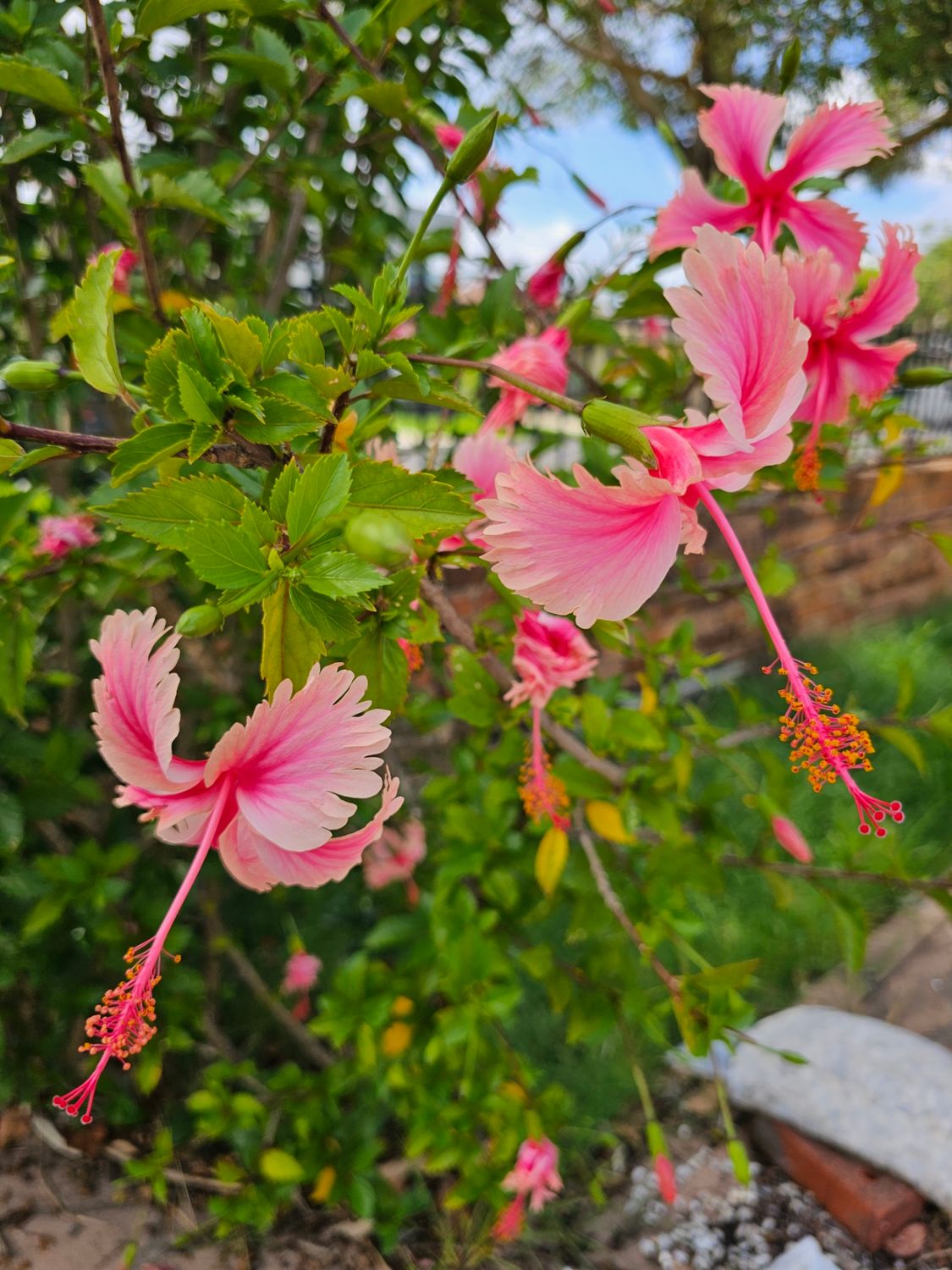
🌸 Propagating Hibiscus schizopetalus: Try Air Layering!
SKU BLOG-GII-HIBISCUS-001
AU$0.00
Have questions?
In stock
1
Save this product for later
🌸 Propagating Hibiscus schizopetalus: Try Air Layering!
Product Details
✨ More Roots Before You Cut! A Clever Way to Multiply Your Fringed Hibiscus ✨
Have you tried propagating Hibiscus schizopetalus from stem cuttings but found that only some of them rooted successfully?
You're not alone! While Hibiscus schizopetalus can be propagated from semi-hardwood cuttings, it can also be propagated by layering — giving us another fascinating way to create a new plant.
One of the most rewarding techniques to try is air layering. Instead of cutting the branch away first and hoping it develops roots, air layering encourages roots to form while the branch is still attached to the parent plant.
🌿 The result? Once a healthy root system has developed, you separate the new plant and pot it up.
🌺 Why Try Air Layering?
Air layering has one big advantage over a conventional stem cutting: the developing layer remains connected to the parent plant while its new roots are forming.
That means the branch continues to receive water and nutrients from the mother plant during the rooting process.
For a beautiful specimen of Hibiscus schizopetalus that you want to reproduce, this makes air layering an especially interesting technique to try.
🌱 And there's another bonus: because air layering is a form of vegetative propagation, the resulting plant is a clone of the parent rather than a genetically different seedling.
🇦🇺 The Australian Air-Layering Method
Here is a practical home-gardener approach suited to Australian conditions.
🌿 1. Choose the Right Branch
Look for a healthy, vigorous branch that is:
- 🌱 Semi-mature to lightly woody rather than extremely soft new growth.
- 📏 Approximately pencil thickness or slightly thicker — around 5–10 mm is a useful practical target.
- 🌿 Long and healthy enough to give you a good section to work with.
- 🌺 Free from obvious pests, disease or damage.
Around 30 cm or more of usable branch length gives you plenty of room to select a good rooting point. Australian layering guidance recommends choosing a mature stem around 30 cm long and at least pencil thickness.
💡 Evercare tip: Don't choose the newest, softest tip. A firm, healthy section that has begun to mature is a better candidate for this experiment.
🔪 2. Make the Wound
This is the part where a little care makes a big difference.
Choose a point roughly 15–25 cm below the growing tip and remove any leaves around the area so you have clear access to the stem.
For a relatively young, semi-woody Hibiscus schizopetalus branch, you can make a shallow upward incision into the stem.
- 🧼 Sterilise a sharp knife or grafting blade before starting.
- 🔪 Make a clean cut approximately 2–3 cm long.
- ↗️ Make the cut at a slight upward angle.
- ⚠️ Do not cut all the way through the branch.
- 🪵 Keep the wound to approximately one-third of the stem's diameter rather than severing the branch.
- 🦷 A tiny piece of clean plastic or a toothpick can be used to keep the cut slightly open if necessary.
The aim is to interrupt some of the stem's normal flow while keeping the branch alive and attached to the mother plant. Australian air-layering guidance similarly recommends a shallow cut without cutting through more than about one-third of the stem.
💚 Don't overdo the wound. A badly cut or completely severed branch can turn your air-layering project into an ordinary cutting!
🌱 3. Add Rooting Hormone
If you have a suitable rooting hormone powder or gel, apply a small amount directly around the wounded area.
It isn't essential in every situation, but Hibiscus schizopetalus is reported to root well from cuttings when treated with rooting hormone, and hormone can also be useful when encouraging roots during propagation.
✨ Less is more: you don't need to cake the wound in hormone.
🌿 4. Prepare the Sphagnum Moss
Use clean sphagnum moss as your air-layering medium.
Place some dry moss into a clean container and slowly add water. Allow it to absorb the moisture thoroughly, then gently squeeze it so that it is moist but not dripping wet.
💧 This is important. The moss should feel like a damp sponge — not like a bucket of wet mulch.
Fluffy, moist sphagnum provides a light environment around the wound while retaining enough moisture for developing roots.
🌿 5. Wrap the Wound
Pack a generous handful of moist sphagnum moss around the wounded section.
Make sure the moss completely surrounds the wound and maintains good contact with the stem.
Then:
- 🫧 Wrap the moss with clear plastic so you can inspect the developing roots.
- 🪢 Secure the top and bottom of the wrapping firmly with ties, soft wire or propagation tape.
- ☀️ Position the layer where it receives bright light and warmth, but avoid excessive heat from direct afternoon sun beating onto the plastic.
Australian propagation advice also recommends maintaining a warm, humid environment for successful rooting, while air-layering guidance uses moist sphagnum enclosed in plastic to retain moisture around the developing roots.
🇦🇺 When Should You Air Layer in Australia?
Spring and summer are the best seasons to try. Air layering works best when the plant is actively growing, and Australian guidance recommends spring and summer for the technique.
🌸 For many Australian gardens, that means approximately:
- 🌱 Spring: September–November
- ☀️ Summer: December–February
In warm, frost-free parts of Australia, the window can be more flexible. In cooler regions, wait until the weather has warmed properly and the plant is showing strong active growth.
💡 Best practical rule: don't rely only on the calendar. Look at your plant. When it is actively producing healthy new growth and temperatures are consistently warm, that's your signal to begin.
💧 How to Look After Your Air Layer
Once everything is wrapped, the hardest part is often simply being patient! 😄
- 💧 Check the moss occasionally to ensure it remains moist.
- ☀️ Keep the plant well hydrated during hot weather.
- 🌡️ Protect the wrapped section from extreme heat.
- 👀 Inspect through the clear plastic for developing roots.
- 🌿 Avoid repeatedly opening the wrap, as disturbing the rooting zone can slow progress.
Root development can take several weeks to several months, depending on the plant, season and growing conditions. Air-layering guidance commonly places the process within a few months rather than expecting instant results.
🌱 Don't judge success by the first tiny root. Your goal is a useful network of healthy roots, not simply one root appearing in the moss.
✂️ When Should You Detach It?
This is where patience pays off!
Do not cut the branch away as soon as you see the first root.
Instead, wait until you can see multiple healthy roots spreading through the moss. Ideally, the root system should be substantial enough to support the new plant once it is separated.
When you're satisfied with the root development:
- ✂️ Prepare a clean, sharp pair of secateurs.
- 🌿 Cut the branch just below the newly formed root ball.
- 🫧 Carefully remove or loosen the plastic wrap.
- 🌱 Leave the sphagnum around the new roots rather than pulling the roots apart.
- 🪴 Pot the new plant into a good-quality, free-draining potting mix.
- 💧 Water gently and thoroughly.
- 🌤️ Keep the newly separated plant in a warm, sheltered position while it establishes.
Australian propagation guidance recommends waiting until roots are visible before separating an air-layered stem, while broader air-layering guidance advises waiting until a good root system has developed before cutting below the roots.
🪴 Aftercare: The First Few Weeks Matter
Remember that your new Hibiscus schizopetalus has suddenly gone from having a fully established root system supplied by the parent plant to having to support itself.
For the first few weeks:
- 🌤️ Give it bright, filtered light rather than harsh afternoon sun.
- 💧 Keep the potting mix lightly and evenly moist, but never waterlogged.
- 🌬️ Protect it from strong wind.
- 🌱 Avoid aggressive fertilising immediately after potting.
- 💚 Give it time to establish before moving it into a more exposed position.
Once you see fresh growth, that's an encouraging sign that your new plant is settling in.
🌿 A Second Method: Ground Layering
If your Hibiscus schizopetalus has a long, flexible branch close enough to the ground, you can try ground layering instead.
Simply wound a section of the branch, gently bend it down to the soil, pin it in place and cover the wounded section with soil while leaving the growing tip exposed.
🌱 The branch remains attached to the parent plant while roots develop — essentially giving you the same basic advantage as air layering, but using the garden soil rather than a moss-filled wrap.
This method is particularly attractive if your hibiscus already has naturally arching or low-growing branches.
🌺 Why Air Layering Is Worth Trying
If you've been getting around 50% success with stem cuttings, air layering is a wonderful experiment because you're changing the propagation strategy rather than simply taking more cuttings.
🌱 Stem cutting: Cut first → hope roots develop.
🌿 Air layering: Encourage roots first → cut after roots develop.
That's the clever part!
And because the new plant is vegetatively propagated, you can preserve the characteristics of the parent plant rather than relying on seed propagation.
✨ Evercare Propagation Challenge
Why not make your own little propagation experiment?
🌿 Try 2–3 air layers on healthy branches rather than relying on just one.
📸 Take a photograph when you start.
📅 Note the date.
🌱 Check periodically for roots.
🪴 Record how long each one takes to establish.
Then you'll have your own real-world results for Hibiscus schizopetalus in your Australian growing conditions.
And that's one of the joys of propagation — every successful new plant is a little gardening experiment that worked! 💚🌺
🌺 Quick Air-Layering Cheat Sheet
Plant: Hibiscus schizopetalus
Method: Air layering
Best season: Spring–summer 🌱☀️
Branch: Healthy, semi-mature, approximately pencil thickness or slightly thicker
Branch length: Around 30 cm or more gives comfortable working room
Wound: Approximately 2–3 cm long, shallow, without severing the stem
Rooting medium: Moist sphagnum moss 🌿
Cover: Clear plastic wrap or suitable transparent covering
Environment: Warm, bright and humid, protected from excessive heat
Detachment: Only after multiple healthy roots have developed ✂️
After potting: Keep warm, sheltered and evenly moist while establishing 🪴
🌿 Plant Profile
Botanical Name: Hibiscus schizopetalus
Common Names: Fringed Hibiscus, Japanese Lantern Hibiscus, Coral Hibiscus
Plant Type: Tropical/subtropical flowering shrub
Propagation: Semi-hardwood cuttings, layering
Best Propagation Experiment: Air layering 🌱
🌺 Final thought: If your stem-cutting success has been around 50%, don't give up on propagating this gorgeous hibiscus. Try changing the method instead. With air layering, the branch gets to stay connected to its mother plant while it builds its new roots — and that's a very clever little advantage! 💚🌿
You May Also Like
RESTOCKED
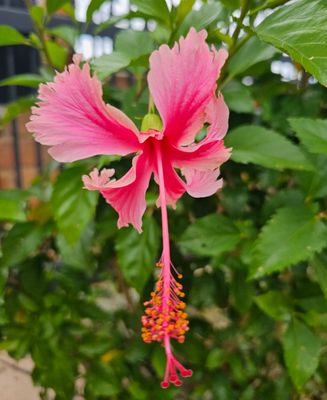
Hibiscus Schizopetalus – Rare Exotic Beauty with Delicate, Fringed Petals!
Hibiscus Schizopetalus – Rare Exotic Beauty with Delicate, Fringed Petals!
SKU PL-HIBISCUS-SCHIZO-VAR
was AU$38.00
Save 21%
AU$30.00
Out of stock
On Sale

Size 4 (2XS) Romantic Lace Blossom 2-Pack Petite Boyshorts + Free Gifts
Size 4 (2XS) Romantic Lace Blossom 2-Pack Petite Boyshorts + Free Gifts
SKU LUW123BS-VP2-RLB
was AU$36.00
Save 11%
AU$32.00
On Sale


Adjustable Kid Posture Correction Back Shoulder Support
Adjustable Kid Posture Correction Back Shoulder Support
SKU BCPC60
was AU$24.00
Save 17%
AU$20.00
On Sale


Magnetic Therapy Self Heating Neck Pad
Magnetic Therapy Self Heating Neck Pad
SKU BCMTC168N
was AU$24.00
Save 17%
AU$20.00
On Sale
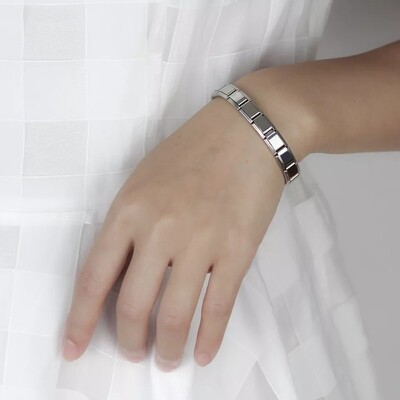
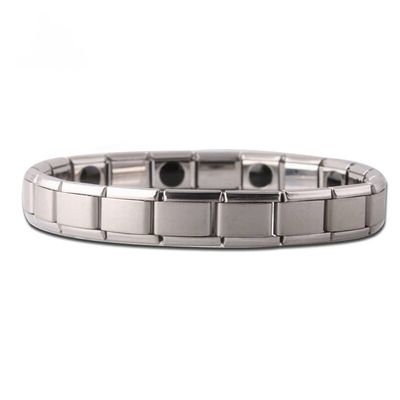
Silver-Plated Stainless Steel Tourmaline Energy Balance Unisex Bracelet
Silver-Plated Stainless Steel Tourmaline Energy Balance Unisex Bracelet
SKU FSJB406TEB
was AU$28.00
Save 14%
AU$24.00
NEW

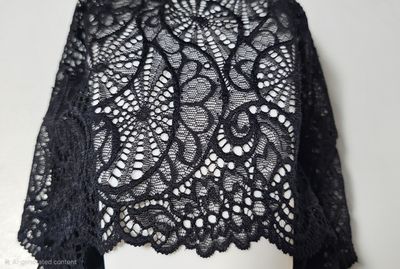
Size 4 (3XS) Black Geometric Twirls Lace Boyshorts – Scalloped Elegance
Size 4 (3XS) Black Geometric Twirls Lace Boyshorts – Scalloped Elegance
SKU LUW123BS-GLT-BK-S4
was AU$24.00
Save 17%
AU$20.00
Display prices in:AUD
Very impressed with service and quality. Very professional. Thank you

Shane S.
Cuckatoo VIC 3781
1.Couldn't ask for more ... free delivery! What a great seller :) 2. So fast ... free delivery! Fantastic!! Thanks :) 3. Super quick delivery! Perfect seller :)
Lucille W.
St. Peters NSW 2044
It's great, put it on and straight away the pain in my feet went right down

Tiffany G
Toormina NSW 2452
Very fast delivery, product is awesome the self heating actually works !!

Mona B.
Granville NSW 2142
