
Categories
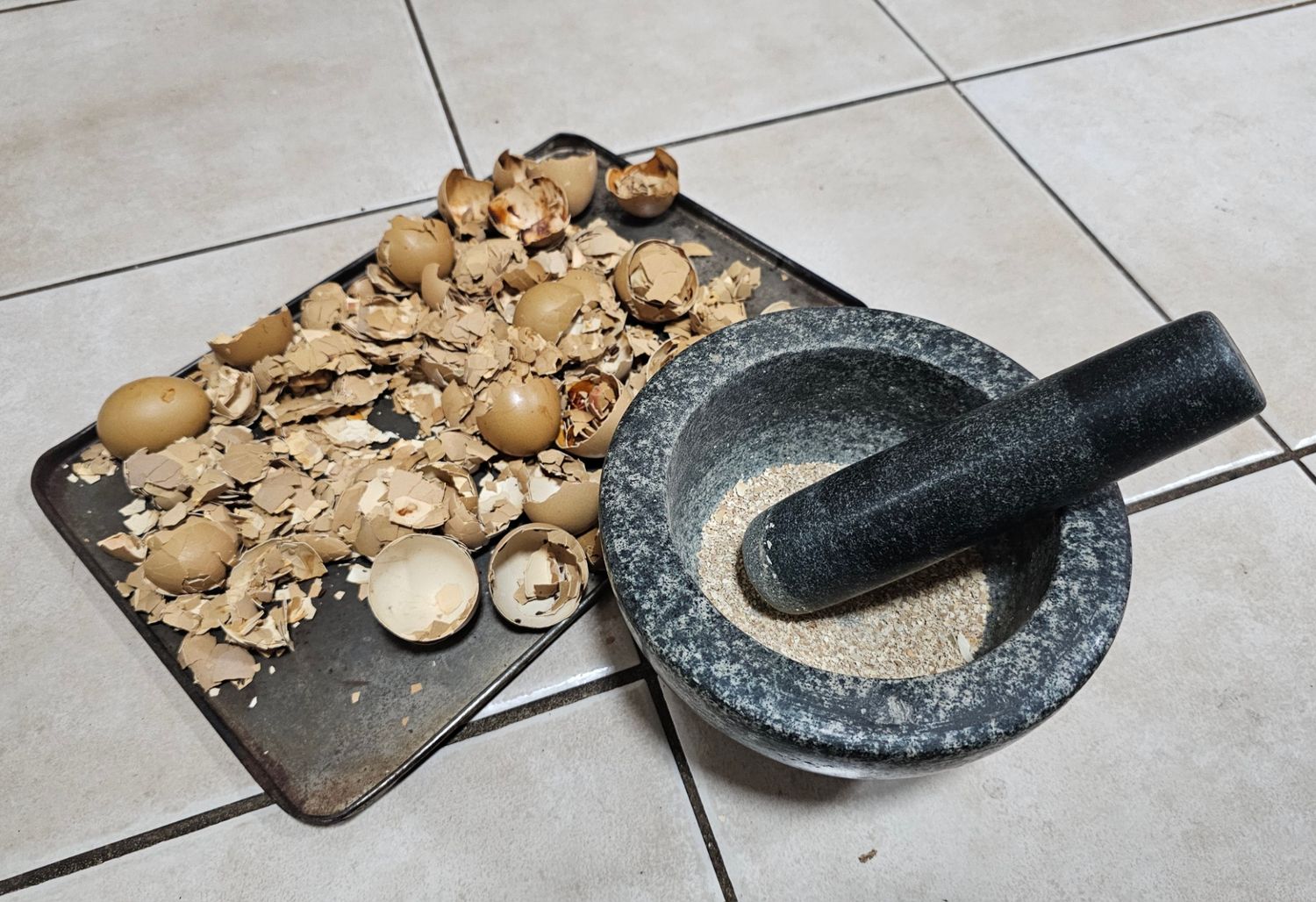
♻️🥚 Eggshells for Plants — Quick Prep Guide
SKU BLOG-PCG-EGGSHELLS
AU$0.00
Have questions?
In stock
1
Save this product for later
♻️🥚 Eggshells for Plants — Quick Prep Guide
Product Details
♻️ Eggshells for Plants: How to Prepare, Grind & Use Them
🌱 Turn everyday kitchen waste into a useful garden addition
Before you toss those empty eggshells into the bin, give them another life in your garden! 🥚♻️ Eggshells are rich in calcium carbonate and can be composted or finely crushed and added to soil as a slow-breaking mineral amendment.
They won't work like a fast-release fertiliser, and they aren't a cure for blossom-end rot, but properly prepared eggshells can be a simple, low-cost way to recycle kitchen waste while adding calcium-containing material to your garden.
🥚 Why Use Eggshells in the Garden?
Eggshells are made primarily of calcium carbonate. Once added to soil or compost, they break down gradually rather than immediately releasing calcium to plants.
Their biggest attraction is simplicity: you're turning something that would normally be kitchen waste into a useful garden resource. 🌿
Eggshells can be:
- 🌱 Finely ground and incorporated into soil or potting mixes
- ♻️ Added to compost
- 🪱 Added to a worm farm in small amounts
- 🌿 Crushed more coarsely for general garden use
The finer the eggshell pieces, the greater their surface area and the faster they can break down. However, even powdered eggshells are not a quick-release source of plant-available calcium.
✨ Easy Eggshell Preparation: Dry → Crush → Grind → Use
Here's a simple way to prepare eggshells for gardening.
1️⃣ Clean the shells
After using your eggs, rinse the shells thoroughly to remove remaining egg white and yolk.
You can remove the thin inner membrane if it comes away easily, but there's no need to spend ages trying to strip every shell perfectly.
Tip: Clean shells are preferable for composting and garden use because unwashed food residues can attract unwanted pests.
2️⃣ Dry the shells completely
Spread the clean shells out and allow them to air-dry thoroughly.
For a quicker method, place them on a baking tray and dry them in an oven at approximately 100–120°C for 20–30 minutes.
The goal is simply to make the shells completely dry and brittle before grinding.
Why dry them?
Dry shells:
- Grind much more easily
- Are less likely to clump
- Are easier to turn into a fine powder
- Are more convenient to store
3️⃣ Break the shells into smaller pieces
Before putting them into a blender or grinder, gently crush the shells by hand.
You don't need to pulverise them at this stage — just break them into smaller pieces.
This makes the grinding process easier and reduces the amount of work required from your appliance.
🥣 Can You Grind Eggshells in a Blender?
Yes! A household blender can be used to grind completely dry eggshells.
However, eggshells are hard and abrasive, so it's best to work gently rather than throwing a large quantity into the blender and running it continuously.
⚙️ Blender method
- Make sure the eggshells are completely dry.
- Break them into smaller pieces first.
- Add a small batch to the blender.
- Use the Pulse setting in short bursts.
- Stop occasionally and check the texture.
- Continue until you reach your preferred consistency.
- Allow any dust to settle before opening the lid.
💡 Blender tip
Don't overload the blender.
Small batches are easier to process and put less strain on the motor and blades.
If you regularly make eggshell powder, a dedicated spice/coffee grinder or small dry grinder may be more convenient than using your everyday smoothie blender.
⚠️ Take care with fine eggshell dust
Very finely powdered eggshells can create a dusty cloud when poured or transferred.
Avoid deliberately breathing the dust, and wipe the work area clean afterwards.
🌿 Fine Powder or Coarse Crushed Eggshells?
The best texture depends on how you intend to use them.
🥚 Fine eggshell powder
Best when you want the shells to break down as efficiently as possible.
Useful for:
- 🌱 Mixing into garden soil
- 🪴 Adding small amounts to potting mixes
- ♻️ Adding to compost
- 🪱 Adding to worm farms
The finer the particles, the greater the surface area available for gradual breakdown.
🥚 Coarsely crushed shells
You don't always need a powder.
Coarsely crushed shells can simply be added to:
- Compost
- Garden beds
- Worm farms
Just remember that larger pieces break down more slowly.
🪴 How to Use Eggshell Powder in the Garden
🌱 1. Mix into soil
Sprinkle a small amount of finely ground eggshell powder over the soil surface and gently work it into the top layer.
For pots and containers, avoid adding large quantities. Eggshells break down slowly, so repeatedly adding handfuls isn't necessary.
A little goes a long way when used as a recycling habit rather than as a primary fertiliser.
♻️ 2. Add to compost
This is one of the easiest ways to recycle eggshells.
Crush or grind the shells and add them to your compost along with your normal mix of suitable green and brown materials.
Eggshells are compostable, although they are relatively slow to break down.
💡 Composting tip
Crushing eggshells before adding them to the compost pile gives them more surface area and helps them break down more readily.
🪱 3. Add to a worm farm
Finely crushed eggshells can also be added in small quantities to worm farms.
Crushed eggshells are among the materials suitable for worm bins, but they should be treated as a minor addition rather than a major component of the worm farm diet.
💧 What About Eggshell Tea?
You may have seen advice suggesting that soaking eggshells in water creates a calcium-rich "eggshell tea".
It's a popular gardening tip, but don't expect plain eggshell water to act like a liquid calcium fertiliser.
Eggshells are mostly calcium carbonate and don't dissolve readily in ordinary water. Simply soaking powdered shells overnight doesn't magically extract a large amount of immediately available calcium.
If your goal is to recycle eggshells, finely grinding them and adding them to compost or soil is a more straightforward approach.
🍅 Can Eggshells Prevent Blossom-End Rot?
⚠️ This is a common gardening myth.
Eggshells are often recommended for tomatoes, chillies, capsicums and other fruiting plants because blossom-end rot is associated with calcium deficiency in developing fruit.
However, adding eggshells isn't a reliable way to prevent or correct blossom-end rot.
The problem is often related to how calcium moves through the plant with water, rather than simply how much calcium is present in the soil. Root damage, inconsistent watering and other factors can interfere with calcium reaching developing fruit.
🌿 Better approach for blossom-end rot
Focus on:
- 💧 Keeping soil moisture reasonably consistent
- 🌱 Protecting plant roots from unnecessary damage
- 🍂 Mulching to help maintain more even soil moisture
- 🧪 Testing soil if nutrient problems are suspected
- 🌿 Using an appropriate fertiliser based on actual plant and soil needs
So, enjoy your eggshells — but don't rely on them as a cure for blossom-end rot.
🌱 Which Plants Can Benefit from Eggshells?
Eggshells are often associated with:
🍅 Tomatoes
🌶️ Chillies & capsicums
🥒 Cucumbers
🍆 Eggplants
🌸 Flowering plants
🌿 General garden beds
🪴 Potted plants
♻️ Compost and worm farms
However, being a calcium-containing material doesn't mean every plant needs extra calcium.
Healthy plants generally benefit more from balanced nutrition, suitable soil, correct watering, adequate light and good growing conditions than from adding a single homemade amendment.
⚠️ Don't Overdo It
More isn't necessarily better.
Eggshells are not a complete fertiliser and don't provide the balanced range of nutrients plants require.
Avoid repeatedly adding large amounts of eggshell powder simply because it is "natural".
If you're trying to correct a suspected nutrient deficiency or change soil chemistry, a soil test is a much better starting point than guessing with homemade amendments. Soil amendments such as agricultural lime should also be applied according to soil-test results where appropriate.
🥚 Eggshells: Quick Reference Guide
| Step | What to Do |
|---|---|
| 🥚 1. Clean | Rinse away remaining egg |
| 🌬️ 2. Dry | Air-dry thoroughly or oven-dry at 100–120°C |
| 🔨 3. Crush | Break shells into smaller pieces |
| 🥣 4. Grind | Pulse dry shells in small batches |
| 🌱 5. Use | Add sparingly to soil, compost or worm farm |
| ♻️ 6. Recycle | Keep kitchen waste working in the garden |
🌿 Remember:
Clean → Dry → Crush → Grind → Use Lightly
If you regularly eat eggs, keep a small container beside your kitchen compost or food-scrap area.
Collect the shells, rinse them, allow them to dry completely, then crush or grind them in batches.
That way, instead of throwing away a useful kitchen by-product, you can gradually turn it into a simple garden amendment. ♻️🌱
The real benefit isn't a miracle fertiliser — it's making better use of everyday household waste while supporting a more circular approach to gardening.
🌿 Eggshells & Gardening: The Bottom Line
Eggshells can be a useful addition to your compost, worm farm or garden, particularly when finely crushed.
But keep expectations realistic:
✅ Eggshells contain calcium carbonate
✅ Fine particles break down faster than large pieces
✅ A blender can grind completely dry eggshells in small batches
✅ Eggshells can be composted and used in worm farms
✅ They are a simple way to recycle kitchen waste
⚠️ They are slow-release, not a quick calcium fertiliser
⚠️ They are not a reliable treatment for blossom-end rot
⚠️ Don't add large quantities without a reason
⚠️ For suspected nutrient problems, soil testing is the smarter approach
🌱 Simple, sustainable and practical:
Don't waste it — compost it, crush it, recycle it and let your garden make the most of it! ♻️🌿
📌 Evercare Australia | Plant Care & Gardening
Evercare Australia shares practical gardening ideas designed to help make everyday plant care simpler, more sustainable and enjoyable.
BLOG-PCG-EGGSHELLS
✨ Enjoyed this guide? Share it with a fellow gardener! 🌱
📤 EverShare™ — Share Helpful Guides & Finds in One Click
Display prices in:AUD
Very impressed with service and quality. Very professional. Thank you

Shane S.
Cuckatoo VIC 3781
1.Couldn't ask for more ... free delivery! What a great seller :) 2. So fast ... free delivery! Fantastic!! Thanks :) 3. Super quick delivery! Perfect seller :)
Lucille W.
St. Peters NSW 2044
It's great, put it on and straight away the pain in my feet went right down
Tiffany G
Toormina NSW 2452
Very fast delivery, product is awesome the self heating actually works !!

Mona B.
Granville NSW 2142
